Cleaning

How to Clean Household Furniture Properly: A Step-by-Step Guide

by Liz Gonzales

Studies show that your sofa cushions can harbor up to 10 times more bacteria per square inch than a toilet seat — and most households only deep-clean their furniture once a year. If you've been putting off learning how to clean household furniture properly, that statistic alone should change your mind. The buildup of dust, allergens, skin cells, and bacteria on your chairs, sofas, and tables isn't just unsightly — it's actively working against your family's health and shortening the lifespan of pieces you've paid good money for. For more home care advice, browse our full cleaning resource library.
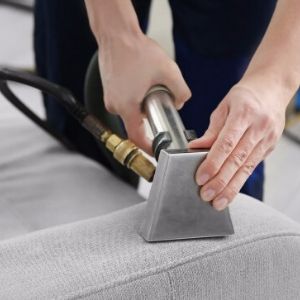
Upholstery Cleaning
Upholstery Cleaning

The good news? You don't need to hire a professional cleaning service to get impressive results. With the right tools, the right products, and a clear step-by-step approach, you can restore even heavily used furniture to near-new condition — and keep it that way. Whether you're tackling upholstery, wood, or leather, this guide covers every surface in your home.

We'll also break down what professional cleaning costs versus doing it yourself, walk you through the most damaging mistakes people make (that quietly destroy furniture over time), and give you a long-term maintenance plan that actually fits into your life. Let's get into it.

Why Your Furniture Gets Dirtier Than You Think

Most people assume furniture stays relatively clean as long as it looks clean. That's a mistake. Dust, dead skin cells, pet dander, and food particles accumulate in upholstery fibers and wood grain constantly — even in homes that look tidy on the surface.

Here's what's actually building up on your furniture right now:

  • Dust mites — thrive in fabric fibers, feeding on shed skin cells. A typical sofa can harbor millions of them.
  • Pet dander — clings to upholstery even if pets aren't allowed on furniture. It travels through the air and settles.
  • Volatile organic compounds (VOCs) — off-gassed from furniture finishes and adhesives, especially in newer pieces.
  • Bacteria and mold spores — particularly common in humid environments or on furniture positioned near windows.
  • Skin oils and residue — from daily contact, food, and cleaning products that weren't fully removed during past cleanings.

According to the U.S. Environmental Protection Agency, indoor air can be 2–5 times more polluted than outdoor air — and furniture is one of the biggest contributors to that problem. If anyone in your household suffers from allergies or asthma, read up on what to look for in vacuums for allergy sufferers before you start your cleaning routine. The right equipment makes a real difference.

The Right Tools for the Job

Before you start cleaning, gather your supplies. Using the wrong tool — or the wrong product — causes more damage than the dirt itself. Here's what you need for a thorough session.

Essential Cleaning Supplies

  • Vacuum with an upholstery attachment
  • Microfiber cloths (at least 4–6)
  • Soft-bristle brush or dedicated upholstery brush
  • Spray bottle and bucket
  • Mild dish soap or upholstery cleaner
  • White vinegar (diluted 1:1 with water)
  • Wood polish or furniture oil (for wood surfaces)
  • Leather conditioner (for leather pieces)
  • Baking soda for deodorizing
  • Rubber gloves

Optional but Worth Having

  • A steam cleaner — excellent for deep sanitizing without harsh chemicals. Learn more about whether steam cleaners actually disinfect and how they eliminate bacteria on contact.
  • A handheld vacuum for quick daily spot cleaning
  • Furniture protector spray to apply after cleaning
Tool Best For Estimated Cost
Upholstery vacuum attachment Sofas, chairs, cushions $10–$30
Microfiber cloths (pack) All surfaces $8–$15
Soft-bristle brush Fabric and wicker furniture $5–$12
Upholstery cleaner spray Stains and odors on fabric $8–$20
Wood furniture polish Tables, chairs, shelving $6–$18
Leather conditioner Leather sofas and armchairs $12–$30
Steam cleaner Deep sanitizing all surfaces $50–$200

How to Clean Household Furniture: Step by Step

The right process differs by material. Don't take a one-size-fits-all approach — using the wrong method on the wrong surface is one of the fastest ways to cause permanent damage.

Start with Vacuum
Start with Vacuum

Upholstered Sofas and Chairs

Upholstered furniture is the most complex to clean because fabrics vary widely. Before you do anything else, check the cleaning code on the tag underneath cushions or on the furniture frame:

  • W — Water-based cleaner is safe to use
  • S — Solvent-based cleaner only; no water
  • WS — Either is fine
  • X — Vacuum only; no liquid cleaners at all

For fabrics labeled W or WS, follow these steps:

  1. Vacuum first. Use the upholstery attachment to remove loose dirt, dust, and debris from every surface and seam. Don't skip this — applying liquid over dry dirt creates a muddy paste that's much harder to remove. For vacuuming technique, our guide on how to vacuum carpets and rugs covers the same principles that apply to furniture fabric.
  2. Spot test your cleaner. Apply a small amount to a hidden area — the back corner of a cushion, for example. Wait 5 minutes. If the fabric discolors or stiffens, switch products before touching any visible surface.
  3. Mix your cleaning solution. Combine 1 teaspoon of mild dish soap with 1 cup of warm water. Apply to a clean microfiber cloth — never pour liquid directly onto the fabric.
  4. Blot, don't scrub. Work from the outside edge of any stain inward toward the center. Scrubbing spreads the stain and damages the fiber structure.
  5. Rinse with a clean damp cloth. Remove all soap residue — leftover soap attracts more dirt over time.
  6. Dry completely. Open windows or use a fan to speed drying. Never sit on damp upholstery; it encourages mold growth in the foam padding below.
  7. Deodorize. Sprinkle baking soda generously across the surface, let it sit for 20–30 minutes, then vacuum it up thoroughly.

Pro tip: Clean large sofas one section at a time — finish each cushion completely before moving to the next so nothing stays wet for too long, which prevents mildew from forming in the padding.

For a deeper clean, a steam cleaner is one of the most effective tools you can use. Read the full walkthrough on how to steam clean a couch for a 10-step process that tackles embedded grime and allergens in a single pass.
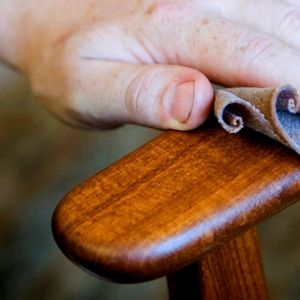
Using Sponge or Brush

Wood Furniture

Wood Furniture Cleaning Tips

Wood furniture needs consistent care to prevent grime buildup that dulls finishes and causes long-term damage. The cardinal rule: never saturate wood with water. Even a well-sealed finish can be compromised by excess moisture over time, leading to warping, swelling, and cracking.

  1. Dust first. Use a dry or barely damp microfiber cloth. Always wipe in the direction of the wood grain, not against it.
  2. Clean with a mild solution. Add a few drops of dish soap to a bowl of warm water. Wring the cloth until it's just slightly damp, then wipe the surface.
  3. Dry immediately. Follow up with a dry cloth right away. Never let moisture sit on wood.
  4. Polish. Use a quality wood polish or furniture oil — orange oil and lemon oil are both excellent options. Apply with a clean cloth and buff in small circular motions to restore shine and protect the finish.
  5. Tackle watermarks. Rub a small amount of non-gel white toothpaste on the ring in circular motions, then wipe clean. A hair dryer on low heat held a few inches from the surface also works — warm air draws out the trapped moisture causing the mark.

Leather Furniture

Leather requires the most careful approach of any furniture material. The wrong cleaner strips its natural oils and causes irreversible cracking.

  1. Vacuum crevices first. Use the soft brush attachment to pull crumbs and dust out of every seam and fold.
  2. Wipe with a barely damp cloth. Use distilled water to avoid mineral deposits that leave spots on the surface.
  3. Clean with a dedicated leather cleaner. Apply a small amount to a cloth — never directly to the leather. Wipe in gentle, even strokes.
  4. Condition. This step is non-negotiable. Apply leather conditioner every 3–6 months using a clean cloth, let it absorb for 10 minutes, then buff gently. This prevents drying and cracking.
  5. Protect. Finish with a leather protector spray to guard against future spills and stains.

Mistakes That Quietly Ruin Your Furniture

Even well-meaning cleaning habits can cause permanent damage. These are the most common mistakes people make — and exactly how to avoid them.

  • Scrubbing stains aggressively. This spreads the stain, damages fibers, and pushes dirt deeper into padding. Always blot from the outside in.
  • Using bleach on upholstery. Bleach destroys color and weakens fabric threads permanently. Use upholstery-specific products instead.
  • Soaking wood with water. Even "waterproof" finishes can fail under repeated exposure. Use barely damp cloths and dry immediately.
  • Skipping the vacuuming step. Wet cleaning without vacuuming first turns dry dirt into a muddy paste that's far harder to remove.
  • Not spot-testing cleaners. Always test in a hidden area before applying any product to a visible surface. Five minutes of testing can save an expensive piece.
  • Using all-purpose sprays on leather. These strip leather's protective oils. Only use products formulated specifically for leather.
  • Drying furniture in direct sunlight. UV light fades upholstery and dries out leather. Always dry indoors with good air circulation instead.

For a broader look at cleaning habits that backfire throughout the home, read about the most common home cleaning mistakes and how to avoid them — several apply directly to furniture.

What Furniture Cleaning Actually Costs

There's a wide range of options when it comes to how to clean household furniture — from pure DIY with items already in your home to full professional services. Here's a realistic breakdown so you can make an informed decision.

DIY Cleaning Costs

  • Basic supplies (cloths, brushes, spray bottles): $15–$30 one-time investment
  • Upholstery cleaner: $8–$20 per bottle, lasts multiple sessions
  • Wood polish: $6–$18 per bottle
  • Leather conditioner: $12–$30
  • Baking soda and white vinegar combined: under $5

Professional Cleaning Costs

  • Sofa cleaning (standard 2–3 seat): $75–$150
  • Single armchair: $40–$80
  • Full living room set: $200–$400+
  • Wood furniture restoration (for damaged pieces): $150–$500+ depending on extent

For most households, DIY cleaning handles 90% of jobs at a fraction of professional rates. A complete starter kit runs around $50–$60 upfront and pays for itself after the first session. Reserve professional services for severe staining, water damage, or antique pieces that genuinely require expert handling.

How to Keep Furniture Clean Between Deep Cleans

Deep cleaning twice a year isn't enough on its own. What you do between those sessions determines how much effort the deep clean actually requires — and how good your furniture looks day to day.

Weekly Habits That Make a Real Difference

  • Vacuum cushions weekly. Takes under five minutes and removes the bulk of allergen buildup before it embeds too deeply to reach easily.
  • Wipe wood surfaces every one to two weeks with a dry microfiber cloth.
  • Flip and rotate cushions monthly to distribute wear evenly across all sides.
  • Address spills immediately. Blot — never rub — within the first 30 seconds for the best chance of complete removal.
  • Use furniture covers or throws on high-traffic pieces, especially if you have pets or young children.

Seasonal Tasks

  • Condition leather every 3–6 months, even if it looks fine.
  • Apply upholstery protector spray to fabric furniture each spring.
  • Re-polish wood pieces twice a year.
  • Inspect frames and joints for loose screws or wobbling legs — tighten before the problem worsens.

These small habits stack up over time. Homes that vacuum and wipe regularly spend far less time and money on deep cleaning — and their furniture lasts measurably longer.

A Long-Term Furniture Care Routine That Actually Works

Think of furniture care the same way you think about car maintenance. Small regular tasks prevent expensive repairs down the road. Here's how to build a sustainable routine you'll actually follow.

A Schedule That's Easy to Stick To

  • Weekly: Vacuum upholstery, dust wood surfaces with a dry cloth.
  • Monthly: Rotate cushions, check for developing stains, wipe leather with a barely damp cloth.
  • Every 3 months: Condition leather, deodorize upholstery with baking soda, spot-polish wood surfaces.
  • Every 6 months: Full deep clean of all upholstered pieces, re-polish wood furniture, check and tighten all hardware.
  • Annually: Consider professional cleaning for heavily used pieces, especially sofas and dining chairs.

Protecting Your Furniture Investment

  • Keep upholstered pieces away from direct sunlight — UV exposure fades color and degrades fibers faster than almost anything else.
  • Use coasters and placemats on all wood surfaces to prevent watermarks and heat damage from cups and plates.
  • Keep indoor humidity between 40–50% to prevent wood swelling and leather cracking. A dehumidifier or humidifier helps in extreme seasons.
  • Avoid harsh multi-surface chemical sprays on furniture finishes — they strip the protective layers that accumulate over years of proper care.

Know When to Restore vs. Replace

Some furniture is worth restoring; some isn't. A solid hardwood chair with a damaged finish can be sanded and refinished for a fraction of replacement cost. A low-quality particle-board piece with swollen joints and failing glue is usually not worth saving. The rule is simple: if the frame is structurally solid and the damage is surface-level, restore it. If the structure itself is compromised, replace it and invest in something better built.

Frequently Asked Questions

How often should you deep clean household furniture?

Most upholstered furniture benefits from a deep clean every 6–12 months. High-traffic pieces — like a family sofa or a home office chair — should be cleaned every 3–4 months. Wood and leather surfaces need conditioning every 3–6 months, with light maintenance cleaning in between.

Can you use baking soda on all types of furniture?

Baking soda is excellent for deodorizing fabric upholstery — sprinkle it on generously, leave it for 20–30 minutes, then vacuum thoroughly. Don't use it on leather (it draws out moisture and dries it out) or on polished wood surfaces where it can dull the finish over time.

What's the fastest way to deal with a fresh spill on a sofa?

Act immediately. Blot the spill with a clean dry cloth — never rub. Remove as much liquid as possible before it soaks into the padding. Then apply a small amount of upholstery cleaner or diluted dish soap solution, blotting again. Follow with a clean damp cloth to remove soap residue, and let it air dry completely with good ventilation.

Is steam cleaning safe for fabric furniture?

Yes, for most fabrics with a W or WS cleaning code. Steam is one of the most effective methods for how to clean household furniture because it sanitizes deeply without any chemical residue and reaches allergens embedded far into the fiber. Always verify the fabric code first and keep the steamer moving constantly — holding it stationary can scorch fabric or damage inner foam.

Final Thoughts

Knowing how to clean household furniture properly is one of the highest-return home maintenance skills you can build — your pieces last longer, your home feels fresher, and you're protecting your family from the invisible buildup that accumulates every single day. Start with one piece right now: grab your vacuum, check the fabric code, and run through the steps in this guide. Once you see how straightforward it is, the rest of your furniture becomes easy to tackle.

Liz Gonzales

About Liz Gonzales

Liz Gonzales grew up surrounded by art and design in a New York suburb, with both parents teaching studio arts at the State University of New York. That environment sharpened her eye for aesthetics and spatial detail — skills she now applies to evaluating home products where form and function both matter. She has spent the past several years writing about lighting, home decor accessories, and outdoor living gear, with a particular focus on how products perform in real residential settings rather than showrooms. At Linea, she covers lighting fixtures and bulb reviews, outdoor and patio gear, and general home product comparisons.

You can Get FREE Gifts. Furthermore, Free Items here. Disable Ad Blocker to receive them all.

Once done, hit anything below