
The average American household spends over $600 a year on cleaning products, yet a homemade carpet cleaning solution made from pantry staples costs less than a dollar per batch. Bissell carpet cleaners — from the popular ProHeat to the Little Green portable — work remarkably well with DIY formulas that skip the dyes, fragrances, and harsh chemicals found in store-bought options. For anyone who already follows a regular cleaning routine, switching to a homemade solution is one of the simplest upgrades available. The results rival commercial products, and the savings add up fast.

Bissell machines rely on a mix of water, surfactant (a substance that helps lift dirt), and sometimes a deodorizer to pull grime from carpet fibers. Homemade versions replicate that formula using white vinegar, dish soap, and baking soda. The key is getting the ratios right so the solution cleans effectively without producing excess foam that can damage the machine's pump or leave residue behind.
This guide covers tested recipes, the equipment needed, step-by-step instructions, and long-term carpet care strategies — everything required to keep carpets fresh without buying another bottle of branded cleaner. Whether the goal is tackling pet stains, removing ground-in dirt, or simply maintaining a tidy and productive home, these methods deliver.
Contents
Not all homemade solutions are created equal. Some internet recipes call for too much soap, which gunks up Bissell machines and leaves a sticky film on carpet fibers. The formulas below have been tested in full-size uprights and portable models alike. Each one uses ingredients available at any grocery store.
This is the workhorse recipe for general carpet maintenance. Mix one gallon of hot (not boiling) water with one tablespoon of liquid dish soap — plain varieties like original Dawn work best — and one tablespoon of white vinegar. That small amount of soap provides enough surfactant action to break up dirt without creating excessive suds. The vinegar cuts grease and acts as a mild disinfectant.
Pour the mixture directly into the Bissell's clean water tank. There is no need to add Bissell-branded solution on top of it. Using both at once creates too much foam and can trigger the machine's suds guard.
For carpets that have not been professionally cleaned in over a year, a stronger formula helps. Combine one gallon of hot water, two tablespoons of white vinegar, one tablespoon of dish soap, and one tablespoon of OxiClean powder (sodium percarbonate). The OxiClean adds oxygen-based bleaching power that lifts set-in stains from coffee, wine, and food spills without damaging carpet dyes.
Pet households deal with odors that standard cleaners mask but rarely eliminate. Add one quarter cup of baking soda to the all-purpose formula above. Baking soda neutralizes acidic odor compounds at the molecular level rather than covering them with fragrance. For homes with multiple pets, a vacuum designed for pet hair paired with this solution keeps carpets both clean and odor-free.
Pro tip: Always dissolve baking soda completely in warm water before adding it to the tank. Undissolved granules can clog Bissell spray nozzles and reduce cleaning effectiveness.
A good homemade carpet cleaning solution is only half the equation. Having the right tools on hand makes the difference between a frustrating experience and a smooth, efficient cleaning session.
Before loading any homemade solution, the machine itself needs attention. Remove the dirty water tank and rinse it thoroughly. Check the brush roll for tangled hair and fibers — a common issue that reduces cleaning performance dramatically. Inspect the nozzle for dried soap residue from previous sessions and clear it with warm water.
Clean filters are non-negotiable. A clogged filter reduces suction power and forces the motor to work harder, shortening the machine's lifespan. Knowing how to properly clean vacuum filters applies to carpet cleaners just as much as regular vacuums.
Keep a spray bottle filled with undiluted white vinegar for spot-treating stains before running the machine. A stiff-bristled scrub brush helps work the pre-treatment into the carpet fibers. Microfiber towels absorb excess moisture during the drying phase. Finally, a measuring spoon set eliminates guesswork — precise ratios matter with homemade formulas.
Following a consistent process produces better results than randomly running the machine back and forth. This method works with any Bissell upright or portable carpet cleaner.
Walk through each room and identify visible stains, high-traffic lanes, and pet accident zones. Spray these areas with straight white vinegar and let them sit for five to ten minutes. For especially stubborn spots, sprinkle a thin layer of baking soda over the vinegar — the fizzing reaction helps loosen embedded grime. Gently scrub with a brush, then let the area dry slightly before running the machine. Understanding how to deep clean carpets properly starts with this pre-treatment step.
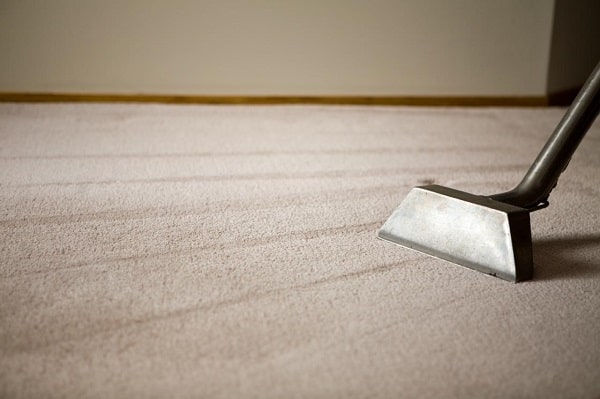
Fill the clean water tank with the chosen homemade solution. Start in the farthest corner of the room and work backward toward the door — this avoids stepping on freshly cleaned carpet. Make slow, overlapping forward passes while pressing the spray trigger. Then make a return pass without spraying to extract as much dirty water as possible. The extraction pass is the most important part. Skipping it leaves excess moisture that encourages mold and mildew growth beneath the carpet pad.
Empty and refill the dirty water tank as soon as it reaches the fill line. Running with a full tank reduces suction dramatically.
Open windows, turn on ceiling fans, or run a box fan pointed at the cleaned area. Carpet should be dry within four to six hours under normal conditions. Avoid walking on damp carpet with shoes, as they press new dirt into the wet fibers. Once dry, vacuum the carpet with a standard vacuum to lift the fibers back to their natural height — machines with strong suction, as explained in guides about what vacuum suction numbers mean, handle this final step best.
The debate between DIY and commercial carpet cleaning formulas comes down to cost, effectiveness, safety, and convenience. Here is a direct comparison based on the most common options available.
| Factor | Homemade Solution | Bissell Branded Formula | Generic Store-Bought |
|---|---|---|---|
| Cost per gallon | $0.15 – $0.50 | $8 – $15 | $5 – $10 |
| Stain removal | Good to excellent | Excellent | Good |
| Odor elimination | Excellent (vinegar + baking soda) | Good (fragrance-based) | Moderate |
| Residue left behind | Minimal (if ratios correct) | Low | Moderate to high |
| Safe for pets/children | Yes (no harsh chemicals) | Varies by formula | Varies by formula |
| Machine warranty impact | Use at own discretion | Approved | Not officially approved |
| Availability | Pantry staples | Online or retail stores | Retail stores |
The cost difference is staggering. A household that deep cleans carpets monthly saves roughly $100 to $170 per year by switching to homemade formulas. The cleaning performance is comparable for everyday messes. Commercial formulas hold an edge only for very specific stain types — and even then, targeted pre-treatment with vinegar or hydrogen peroxide closes the gap.
Important: Using too much dish soap is the number one mistake with homemade solutions. More soap does not mean more cleaning power — it means more residue, more foam, and potential damage to the machine's internal pump.
Homemade carpet cleaning solutions excel in some scenarios and fall short in others. Knowing when to use them — and when to reach for something stronger — prevents wasted effort.
For regular upkeep on carpets that get vacuumed frequently, the all-purpose formula handles everything. Households that already follow a consistent vacuuming schedule find that their carpets need less aggressive deep cleaning overall. The homemade solution lifts the surface-level grime that vacuuming alone misses, keeping fibers soft and colors vibrant.
This is also the ideal choice for homes with small children or pets. The EPA recommends reducing chemical exposure indoors, and a vinegar-based cleaning solution eliminates one more source of volatile organic compounds from the home environment.
Red wine, coffee, ink, and blood each respond to different treatment approaches. Red wine and coffee break down well with the OxiClean-enhanced deep stain formula. Ink stains respond better to rubbing alcohol applied directly before running the machine. Blood stains require cold water — hot water sets protein-based stains permanently.
For truly ancient stains that have been ground in over months or years, a professional-grade enzyme cleaner may be the better first pass. After the enzyme breaks down the organic material, follow up with the Bissell and a homemade solution to extract everything from the carpet pad.
A single deep clean makes carpets look great temporarily. Consistent maintenance is what keeps them looking great permanently. Building a routine around regular vacuuming, periodic deep cleaning, and prompt stain treatment extends carpet life by years.
High-traffic areas like hallways, living rooms, and entryways need deep cleaning every four to six weeks. Bedrooms and guest rooms can go eight to twelve weeks between sessions. Homes with pets or young children should lean toward the shorter intervals. The key metric is color — when carpet starts looking dull or matted in walkways, it is overdue for a cleaning.
Between deep cleans, regular vacuuming does the heavy lifting. Keeping vacuum parts fresh and properly maintained ensures maximum dirt removal with every pass. A well-maintained vacuum paired with periodic homemade carpet cleaning solution treatments keeps carpets in near-new condition indefinitely.
Experienced home cleaners add a few techniques to their routine that beginners often overlook. Rotating furniture every few months distributes wear patterns across the carpet rather than concentrating them in the same lanes. Placing entry mats at every exterior door captures up to 80% of incoming dirt before it reaches the carpet.
For multi-floor homes, keep a small batch of premixed solution in a sealed container under the sink. Having it ready eliminates the friction of mixing a fresh batch every time a stain appears. Speed matters with spills — a stain treated within the first five minutes is dramatically easier to remove than one that has set for an hour.
Bissell officially recommends its own branded formulas. Using a homemade solution is unlikely to cause mechanical damage if the ratios are correct and excess suds are avoided, but it technically falls outside the manufacturer's recommendations. Most users report no issues whatsoever after years of DIY solution use.
White vinegar at the dilution levels used in these recipes (one to two tablespoons per gallon) is safe for virtually all synthetic and nylon carpets. Natural wool carpets are more sensitive to acidic solutions, so test a small hidden area first when cleaning wool or wool-blend carpets.
One tablespoon per gallon of water is the maximum. Going beyond that creates excessive foam that can overflow the dirty water tank and potentially damage the machine's motor. Less is more with soap — the vinegar handles most of the cleaning work.
A few drops of lavender or tea tree oil per gallon are generally safe for the machine and add a pleasant scent. Avoid citrus-based essential oils, which can leave an oily residue on carpet fibers. Always add oils to the water before pouring into the tank to ensure even distribution.
Most households benefit from deep cleaning every four to eight weeks in high-traffic areas and every two to three months in low-traffic rooms. Homes with pets, allergies, or young children should clean more frequently. A good rule of thumb: if running a hand across the carpet leaves it looking noticeably different, it needs cleaning.
Three-percent hydrogen peroxide works as a stain remover and mild disinfectant. It is slightly more aggressive than vinegar on stains but carries a small risk of lightening dark-colored carpets. Always spot-test in an inconspicuous area first. Do not mix hydrogen peroxide with vinegar in the same solution — the combination creates peracetic acid, which is corrosive.
Bleach, laundry detergent, and fabric softener are all off-limits. Bleach damages both the machine's rubber seals and carpet dyes. Laundry detergent produces far too many suds. Fabric softener leaves a waxy coating that attracts dirt faster than before the cleaning.
 |
 |
 |
 |

About Liz Gonzales
Liz Gonzales grew up surrounded by art and design in a New York suburb, with both parents teaching studio arts at the State University of New York. That environment sharpened her eye for aesthetics and spatial detail — skills she now applies to evaluating home products where form and function both matter. She has spent the past several years writing about lighting, home decor accessories, and outdoor living gear, with a particular focus on how products perform in real residential settings rather than showrooms. At Linea, she covers lighting fixtures and bulb reviews, outdoor and patio gear, and general home product comparisons.
You can Get FREE Gifts. Furthermore, Free Items here. Disable Ad Blocker to receive them all.
Once done, hit anything below
|
|
|
|