
The most effective way to remove pet hair from car interiors is to start dry — use a rubber glove or squeegee to ball the hair up before you ever touch a vacuum. Wetting it first or going straight to the vacuum often just pushes the hair deeper into the upholstery. If you want to keep your car interior genuinely clean, this is the step most people skip.
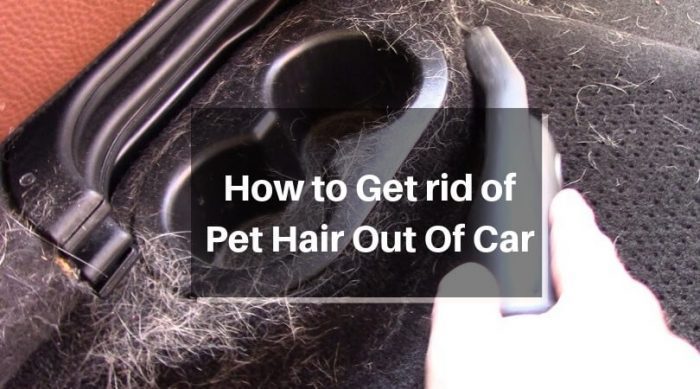
Dogs and cats shed constantly, and car upholstery is practically designed to trap every strand. The fibers in fabric seats and carpets act like Velcro — especially for double-coated breeds like Huskies, Golden Retrievers, and German Shepherds. One road trip with your pet can leave behind what looks like a permanent fur installation.
The good news: you don't need a professional detailer. The right tools in the right order will get your car looking clean. This guide walks you through both quick fixes and deep-clean methods so you can choose based on how bad the situation actually is.
Contents
Not every pet hair situation demands the same urgency. Sometimes a quick wipe-down before you pick someone up is all you need. Other times — like after a week of daily dog transport — you need a real session with proper tools. Knowing the difference saves you effort.
If you're picking someone up and the back seat is covered in fur, a lint roller or rubber glove pass takes about three minutes and handles most visible hair on flat surfaces. You're not deep-cleaning — you're buying presentability. This is the "surface pass" situation. Don't overthink it.
The same logic applies to light daily use. A few stray hairs after a short drive don't warrant a full cleanup session. Save your energy for a proper clean on a weekend when you have 30 to 45 minutes to do it right, and light maintenance becomes a non-issue between those sessions.
Pet dander — not just the visible hair — is the main allergen trigger for most people sensitive to pets. According to the EPA's indoor air quality guidelines, pet dander clings to fabrics and air filters long after your pet has left the space. If you or a passenger has allergies, surface-level hair removal isn't enough. You'll want a HEPA-filter vacuum, a wipe-down of hard surfaces like the dashboard and door panels, and fresh air running through the cabin rather than recirculated air.
In those cases, don't wait until the car looks dirty. A scheduled clean every two to four weeks — regardless of visible hair — keeps dander levels manageable. What you can't see can still cause a reaction.
Your tool choice matters more than how much effort you put in. The wrong tool redistributes hair instead of collecting it. Here's what works across different budgets and levels of commitment.
A rubber glove dampened with water is one of the most effective and underrated tools available. Run it across the seat in long strokes and the static friction pulls hair right out of the upholstery weave, bunching it into clumps you can lift away. Rinse the glove under water to clear the hair, then repeat. Total cost: whatever you already paid for a pair of dish gloves.
An inflated balloon creates static electricity that lifts hair off surfaces — particularly useful on headliners (the fabric lining the interior ceiling) where gravity works against you. It sounds gimmicky, but it genuinely helps with light to moderate coverage on those awkward overhead areas.
Lint rollers and reusable fabric pet hair rollers both work well on seats and seatbacks. The reusable kind — which use a microfiber or chenille pad rather than sticky tape — tend to last longer and cost less over time. For most car owners doing regular light maintenance, these are the workhorses.
A handheld or canister vacuum with a rubber pet hair attachment is the most efficient powered option for regular car cleaning. The Dyson DC65, for example, is well regarded for the suction strength needed to pull embedded hair out of tight upholstery weaves. Any vacuum with a rubber nozzle attachment will outperform a standard bristle brush on pet hair specifically. If you want something compact and easy to maneuver through a car interior, the Shark Rocket Ultra-Light handles seats and carpets well with strong carpet suction in a low-profile design.
For larger dogs or heavy shedding, a shop vacuum offers high-capacity suction and a large-volume collection that won't clog mid-session. If you're not sure whether one makes sense for your situation, this guide on how shop vacuums work is worth a read before you invest.
| Tool | Best For | Approximate Cost | Effort Level |
|---|---|---|---|
| Rubber glove (damp) | Fabric seats, carpets | $1–$5 | Low |
| Lint roller | Surface hair on flat areas | $3–$10 | Low |
| Pet hair squeegee | Carpet and upholstery | $5–$15 | Low–Medium |
| Handheld vacuum | All interior surfaces | $30–$120 | Medium |
| Shop vacuum | Heavy shedding, large dogs | $50–$200 | Medium |
| Full-size upright with hose | Deep carpet extraction | $100–$400 | High |
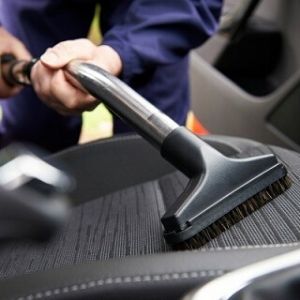
There's a real difference between a five-minute tidy-up and a proper deep clean. Both have their place. The key is matching your approach to the actual state of your car.
If your pet sheds moderately and you clean every week or two, a rubber glove pass followed by a quick vacuum is all you need. Start at the top of the seat and work downward so loosened hair falls to the floor mat rather than settling back onto the seat. Then vacuum the carpet last. This directional order takes maybe ten minutes and prevents hair from cycling back through the same surface twice.
A few crevice-tool tricks make a big difference for the tight spots around seat seams and the base of the headrest. For more time-saving approaches, these vacuum cleaning hacks translate well to car interiors and cover some angles most people miss.
Pro tip: Lightly mist a fabric seat with water and wait 30 seconds before running a rubber squeegee over it — damp fibers release hair more easily without soaking through to the seat padding.
Heavy buildup — the kind where the seat looks a different color from the fur coverage — needs a multi-step process. Start with a stiff brush or pet-specific squeegee to loosen and clump the hair before any vacuuming at all. Running a vacuum over deeply matted hair without pre-treatment often just pushes it further into the fiber weave.
After pre-treatment, vacuum with a rubber-nozzle attachment using overlapping strokes and moderate suction. Then finish with a lint roller or tape on any remaining surface hair. For really embedded buildup, steam cleaning is a legitimate follow-up — the heat relaxes upholstery fibers and loosens hair that mechanical tools can't reach. If you haven't explored steam cleaning for this kind of job, the 20 uses of a steam cleaner guide covers just how versatile these machines are for car and home surfaces alike.
A few common habits actively make the problem worse. It's worth knowing what not to do before you start scrubbing.
Standard rotating brush attachments can weave pet hair deeper into carpet fibers rather than lifting it out. The spinning motion tangles hair around the bristles and presses it further into the pile. For pet hair on fabric seats or carpet, use a rubber nozzle, a flat upholstery attachment, or a crevice tool for seams. Save the rotating brush for bare hard-surface floors where it actually belongs.
Suction level matters too. Maximum suction on a fabric seat seals the vacuum head against the surface and reduces airflow — the opposite of what you want. A moderate setting with slow, overlapping strokes typically extracts more hair than blasting it on full power with no movement.
Going straight to the vacuum without any pre-treatment step is the most common mistake people make. When hair is matted into upholstery, a vacuum alone won't dislodge it. You need to physically break up the hair first — with a rubber tool, a stiff brush, or even a gloved hand — so the vacuum can actually capture it instead of just pushing it around.
You might also be overlooking spots you don't think to check. The seatbelt fabric, the gap between the seat and center console, the underside of the front seats — these are classic zones where hair packs in and goes untouched for months. For a useful list of commonly missed surfaces, this roundup of 15 places you probably forget to clean includes several that apply directly to car interiors.
Sometimes you've done everything correctly and there's still a stubborn patch that won't budge. That usually means the hair is embedded deep in the weave or packed tightly into a seam. There are targeted approaches for those situations.
For carpet, try a stiff-bristle scrub brush in a circular motion to loosen the hair — then vacuum immediately before it can resettle. If that doesn't work, dampen the carpet slightly and use a rubber squeegee pulled in one direction only. The moisture creates enough friction to draw hair up out of the pile without soaking through to the padding underneath.
Pumice stone pet hair removers are another option for automotive carpet specifically — they're abrasive enough to lift embedded hair without damaging most carpet fibers. Test a small hidden corner first before working across the whole floor to make sure your carpet's backing can handle it.
Tight-weave fabric seats are the hardest surface to deal with. If rubber tools and vacuuming haven't worked, try applying a light fabric softener solution — roughly one part softener to five parts water — and letting it sit for a few minutes. The surfactant (a compound that reduces surface tension) relaxes the fibers and cuts the static charge holding hair in place. Then brush and vacuum as normal.
If the seats are heavily soiled overall, it may be worth booking a professional wet extraction clean. Or, going forward, consider seat covers as a long-term solution so the embedded hair problem never gets this bad again.
Removing pet hair is one thing. Reducing how much accumulates in the first place is the smarter long-term play. A few consistent habits make a noticeable difference over time.
Waterproof, machine-washable seat covers designed for pets are the single most effective preventive measure available. They create a removable barrier that collects hair on something you can shake out and throw in the wash, rather than letting it embed in your upholstery. Hammock-style covers that extend from the back of the front seat to the back of the rear seat also protect the gap between the seat bottom and the floor — one of the fastest-accumulating spots in any car.
If your pet rides in the cargo area of an SUV or hatchback, a fitted cargo liner serves the same purpose. Shake it out after each trip and you prevent days of embedded hair from ever forming. They're also easier to replace than factory carpeting if things get really out of hand.
Consistency beats intensity. A quick five-minute rubber glove pass after every pet trip keeps hair from reaching the embedded stage. Once a month, do a proper vacuum session. Twice a year, schedule a full deep clean — this pairs naturally with your broader household routines. Spring cleaning is a natural time to include your car's interior, especially if you transport pets on outdoor adventures that are seasonal.
Brushing your pet before they get in the car also reduces the amount of loose hair entering the car in the first place. It won't eliminate the problem entirely, but it meaningfully cuts it down during peak shedding periods — which can be significant for double-coated breeds in spring and fall. Combine that with seat covers and monthly vacuuming, and you'll spend far less time dealing with serious buildup.
A damp rubber glove is usually the fastest single tool. Run it across the seat in long strokes and the hair clumps together immediately for easy pickup. Follow with a quick vacuum pass and the whole process takes under five minutes for light coverage.
Yes, but the attachment matters a lot. Avoid rotating brush heads, which can push hair deeper into upholstery rather than lifting it. A rubber nozzle, crevice tool, or flat upholstery attachment works far better. Pre-treating the surface with a rubber squeegee before vacuuming also dramatically improves results.
It can. A diluted fabric softener solution — roughly one part softener to five parts water — relaxes upholstery fibers and reduces the static charge that holds hair in place. Spray lightly, let it sit for a few minutes, then brush and vacuum. It works best on stubborn embedded patches that won't respond to dry methods.
Start with a stiff brush in circular motions to loosen matted hair, then vacuum immediately before it re-settles. For stubborn patches, dampen the carpet slightly and drag a rubber squeegee in one direction. A pumice stone pet hair remover is also effective on most automotive carpet fibers — test a hidden area first.
Machine-washable seat covers designed for pets are the most effective option. They create a removable barrier between your pet and the upholstery. Brushing your pet before rides also reduces the amount of loose hair that enters the car. Some people use anti-static sprays on fabric seats as an added measure.
If you transport pets regularly, a quick wipe-down after each trip prevents serious buildup. A proper vacuum session once a month handles moderate shedding. Twice-yearly deep cleans — aligned with spring and fall — keep the car in good condition over the long term without requiring major effort each time.
 |
 |
 |
 |

About Liz Gonzales
Liz Gonzales grew up surrounded by art and design in a New York suburb, with both parents teaching studio arts at the State University of New York. That environment sharpened her eye for aesthetics and spatial detail — skills she now applies to evaluating home products where form and function both matter. She has spent the past several years writing about lighting, home decor accessories, and outdoor living gear, with a particular focus on how products perform in real residential settings rather than showrooms. At Linea, she covers lighting fixtures and bulb reviews, outdoor and patio gear, and general home product comparisons.
You can Get FREE Gifts. Furthermore, Free Items here. Disable Ad Blocker to receive them all.
Once done, hit anything below
|
|
|
|