
When my neighbor finally committed to renovating her main living space, she spent three weekends agonizing over flooring samples at every home improvement store in the area. Ceramic tile in one hand, hardwood swatch in the other, completely stuck. She called me on a Sunday evening asking which one would cost her less over time — and that question sent me into a deep dive of contractor quotes, material specs, and long-term maintenance math.
If you're trying to work out the real ceramic tile vs hardwood flooring cost, you're asking exactly the right question — just know that the answer goes well beyond what you see on the store label. Both materials carry installation fees, maintenance requirements, and lifespan expectations that can dramatically shift what you actually pay over the years. A floor that looks cheaper upfront can end up costing you significantly more by year five.
This guide walks you through the complete cost picture — materials, labor, upkeep, repairs, and resale value — so you can make a decision that fits both your home and your budget. Whether you're renovating a kitchen, bathroom, or living room, the details below will give you a clear framework for what you're actually committing to. For ongoing care after your decision, the cleaning guides on this site have you covered with practical maintenance advice for every floor type.
Contents
Walk into any flooring showroom and you'll pick up on two persistent assumptions almost immediately: hardwood is the luxury choice, and tile is the budget-friendly workhorse. Neither of these holds up cleanly once you look at the full picture. The real cost comparison is shaped by room conditions, installation complexity, and how long you plan to stay in the home.
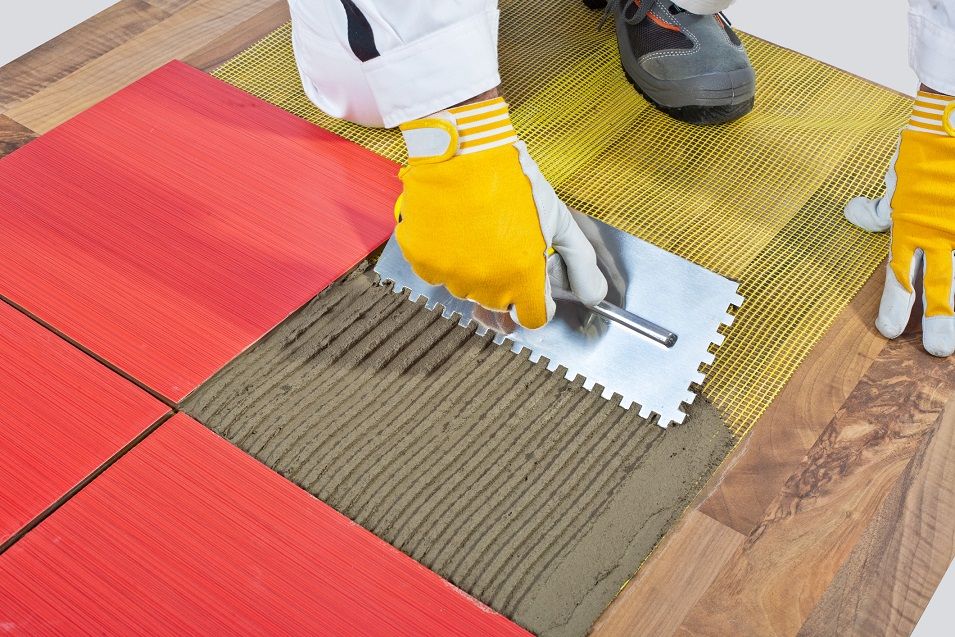
Hardwood does tend to have higher material costs — solid hardwood runs roughly $6 to $25 per square foot depending on species, while ceramic tile ranges from $1 to $15 per square foot. But here's what many homeowners overlook: tile installation is often more labor-intensive. It requires a perfectly level subfloor, cement backer board, mortar, grout, and grout sealing — all of which add to the installer's time and your final invoice. In rooms with simple layouts, a mid-range hardwood floor can come out cheaper to install than premium porcelain tile. If you're drawn to the look of wood without the maintenance demands, it's also worth reading about porcelain wood tile pros and cons — it's a useful middle ground that doesn't get enough attention.
Tile is often marketed as the low-maintenance option, and the surface itself largely is. But grout lines are a different matter entirely. They absorb spills, collect bacteria, and require regular sealing — typically once every one to three years. According to Wikipedia's overview of ceramic tile, the material's long-term durability depends heavily on proper installation and consistent grout maintenance. Skip that step for a few years and you're looking at deeply stained grout that's expensive and time-consuming to restore. That ongoing cost rarely shows up in the initial quote.
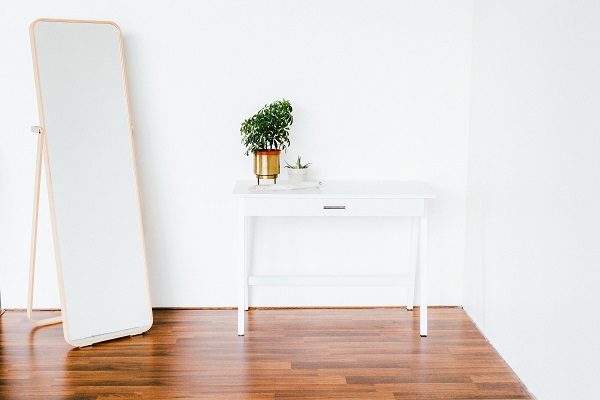
The way you maintain your floor has a direct impact on its long-term cost. Both ceramic tile and hardwood require regular attention, but the routines are quite different — and so are the consequences of neglect.
Ceramic tile is water-resistant and hard, which makes routine cleaning fairly simple. A damp mop and a pH-neutral cleaner handle most messes without issue. The challenge is always the grout. Grout is porous, and without a fresh seal coat every year or two, it stains permanently. You'll want a dedicated grout brush and a quality grout cleaner to keep the lines looking sharp. For a thorough breakdown of what this routine actually looks like room by room, the guide on how to clean bathroom tiles effectively is worth bookmarking before you commit to tile anywhere in your home.
Seal your tile grout at least once a year. Skipping this step is the single most common reason homeowners end up paying hundreds of dollars for professional grout restoration down the road.
Hardwood and water are not friends. A flooded dishwasher or a wet mop used too aggressively can warp planks and void your warranty. For routine cleaning, a lightly damp microfiber mop or a dry sweep is the right approach. What hardwood offers that tile simply cannot is the ability to be refinished every 7 to 10 years to erase scratches and restore the original finish. That single advantage extends a quality hardwood floor's life by decades, fundamentally changing the cost math over time.
Choosing between ceramic tile and hardwood often comes down to where you're installing it. The right material in the wrong room leads to costly repairs. Getting this match right from the start saves money across the entire life of the floor.
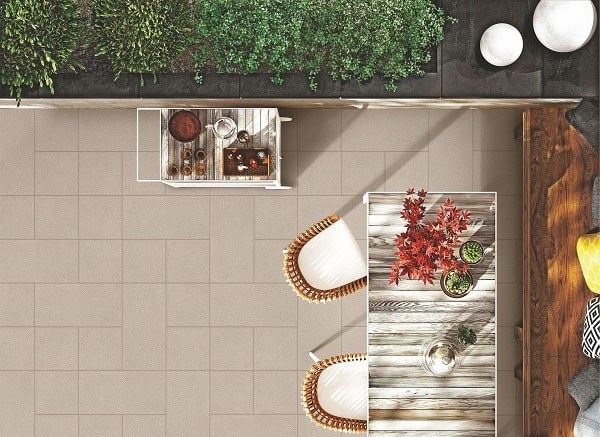
Tile is the clear winner in moisture-heavy environments. Bathrooms, laundry rooms, mudrooms, and entryways all benefit from its water resistance and durability under heavy foot traffic. It also stands up well to dropped pots, steam, and cleaning chemicals, which makes it a natural fit for kitchens. For a broader look at how tile compares to other materials in cooking spaces specifically, the guide on most popular kitchen flooring types lays out the trade-offs clearly across several material options.
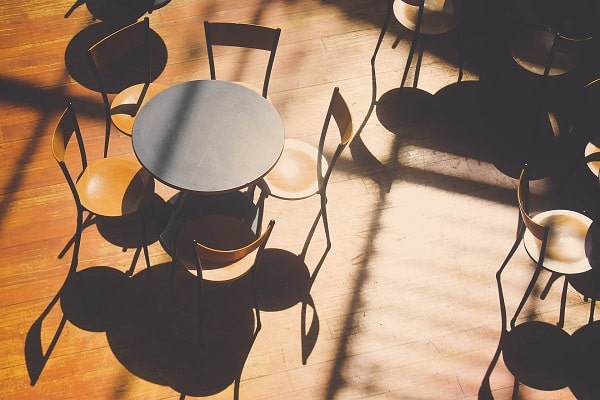
Hardwood excels in living rooms, dining rooms, and bedrooms — spaces where warmth, comfort, and visual appeal matter most. It's comfortable underfoot (especially in colder climates where tile can feel like ice on winter mornings), and it adds a natural richness that tile alternatives can only approximate. Hardwood is also the stronger choice if resale value is on your mind. Most real estate professionals will confirm that hardwood floors are among the top features buyers seek out in upper-mid and high-end markets. That said, if you have pets or young children, the scratch factor is real and worth thinking through before you commit.
No floor is truly trouble-free. Understanding what repairs look like — and what they cost — is a critical part of the overall decision that most flooring guides gloss over entirely.
If a single tile cracks, you can replace just that tile — in theory. In practice, finding an exact match for a tile installed several years ago is difficult. Dye lots change, lines get discontinued, and even a close match can look noticeably off due to aging and UV exposure on the surrounding tiles. Labor for a single tile replacement runs $75 to $150 in most markets. If a larger section fails due to subfloor movement or moisture intrusion, costs escalate quickly. Always purchase 10% extra tiles from your original dye lot and store them — this is one of the most overlooked tips in flooring, and it pays for itself the moment you need it.
Minor scratches in hardwood are relatively straightforward to address — a touch-up marker, a wax fill stick, or a light screen-and-recoat can restore the look without full refinishing. Deep gouges or water-warped planks are more involved. Individual plank replacement is possible with engineered hardwood and some solid wood floors, but blending it seamlessly with aged surrounding wood takes skill. Full refinishing costs $3 to $8 per square foot and can make an old floor look brand new — an advantage tile simply cannot match.
If your hardwood shows early signs of moisture damage — cupping, buckling, or a faint musty smell — address the water source before anything else. Refinishing over an active moisture problem only delays a much more expensive fix.
Understanding what goes into the installation process helps you evaluate contractor quotes more accurately and decide whether any portion of the work is something you can take on yourself.
Tile installation requires a specific toolkit that most homeowners don't already own. You'll need a wet saw or tile cutter for straight cuts, notched trowels, a rubber mallet, spacers, a grout float, and a level. Subfloor prep is equally important — cement backer board is typically required, and any flex in the subfloor will eventually crack the tiles above it. Renting a wet saw for a weekend runs $50 to $80, but professional tile setters bring their own equipment, which factors into their labor rates and is part of why tile installation often costs more than it initially appears.
Floating or click-lock engineered hardwood can be a reasonable DIY project for a capable homeowner. You'll need a miter saw, tapping block, pull bar, spacers, and a flooring nailer or stapler for nail-down applications. Solid hardwood nail-down installations are more demanding and generally best left to a professional. Labor for hardwood runs $3 to $8 per square foot depending on your region and layout complexity — roughly comparable to mid-range tile work, which tends to level the playing field more than most people expect.
When you look at both options over a full decade, the initial price gap often narrows — or even reverses. Here's a straightforward comparison based on a 500 square foot room, using realistic market averages.
| Cost Factor | Ceramic Tile (500 sq ft) | Hardwood (500 sq ft) |
|---|---|---|
| Materials | $500–$4,500 | $2,500–$8,000 |
| Installation Labor | $1,500–$3,500 | $1,500–$4,000 |
| Subfloor Prep | $300–$800 | $200–$600 |
| Annual Maintenance Cost | $100–$300/yr (grout sealing + cleaning) | $50–$150/yr (cleaning supplies) |
| Major Restoration (10-yr) | Not available — only replacement | $1,500–$4,000 refinish (optional) |
| Expected Lifespan | 20–50 years with proper care | 25–100+ years with refinishing |
Hardwood floors consistently rank among the top features buyers seek out, with some market analyses showing a return on investment of 70% to 80% at resale. Ceramic tile adds real value in kitchens and bathrooms, but it's less of a selling point in main living areas where buyers tend to expect or prefer wood. If you plan to sell within the next several years, hardwood in the living and dining room can meaningfully boost your home's appeal and asking price. Tile in the bathrooms and kitchen, meanwhile, is an equally smart investment — just applied to the right spaces.
Regardless of which direction you go, a handful of smart practices will help you maximize your investment and avoid the mistakes that quietly inflate the real cost of ownership over time.
When shopping for either material, purchase about 10% more than your measured square footage. This covers cuts, waste, and future repairs — and it guarantees you have matching material on hand if a tile chips or a plank warps years from now. For tile, stick to one dye lot from a single production run if at all possible. For hardwood, let the planks acclimate in the room for 48 to 72 hours before installation to prevent post-install expansion and gapping.
A reliable flooring contractor will inspect your subfloor before giving you a final price. If they skip that step, treat it as a warning sign. Subfloor issues — low spots, squeaks, moisture damage — can significantly increase the cost of a tile installation once the project is already underway. Ask your contractor to walk you through the prep work they plan to do and get that scope in writing before any work begins. For hardwood, ask specifically about their acclimation protocol and how they handle transitions at doorways and between rooms. These details separate a floor that looks great for decades from one that starts failing in year three.
The ceramic tile vs hardwood flooring cost debate doesn't have a single universal winner — it has a right answer for your specific home, your lifestyle, and your long-term goals. Use the numbers and guidance in this article as your starting framework, get two or three contractor quotes for your actual space, and weigh the room-by-room logic before making a final call. If you're ready to go deeper on floor care and maintenance, browse the related guides here on Linea — the right cleaning routine is what keeps any floor looking worth every dollar you spent on it.
 |
 |
 |
 |

About Liz Gonzales
Liz Gonzales grew up surrounded by art and design in a New York suburb, with both parents teaching studio arts at the State University of New York. That environment sharpened her eye for aesthetics and spatial detail — skills she now applies to evaluating home products where form and function both matter. She has spent the past several years writing about lighting, home decor accessories, and outdoor living gear, with a particular focus on how products perform in real residential settings rather than showrooms. At Linea, she covers lighting fixtures and bulb reviews, outdoor and patio gear, and general home product comparisons.
You can Get FREE Gifts. Furthermore, Free Items here. Disable Ad Blocker to receive them all.
Once done, hit anything below
|
|
|
|