
Cleaning ›
by Linea Lorenzo
If you own a Bissell Pet Hair Eraser, your best move right now is picking up the 4-pack replacement filter kit (Model 2390A) — it keeps suction strong and costs a fraction of a new vacuum. Pet owners know the struggle: fur embeds itself in furniture, carpets, and car seats, and a clogged filter is the number one reason your handheld vacuum loses power before its time.
In 2026, handheld vacuums remain the go-to tool for quick pet hair cleanups between full vacuuming sessions. But here's what most buyers overlook — the vacuum itself is only half the equation. The filter is what separates a machine that actually captures pet dander and fine particles from one that just pushes them around. Whether you own a Bissell, Shark, or Black+Decker, replacing the filter on schedule is the single biggest thing you can do to maintain peak performance. If you're still shopping for the vacuum itself, our guide to best handheld vacuums covers the top picks across every budget.
This guide reviews the best replacement filters for the most popular pet-hair handheld vacuums on the market. We cover compatibility, filtration quality, and value — so you can find the right match for your machine and keep it running like new all year long. For those dealing with fur on hard floors as well, check out our best cordless vacuum for tile floors roundup for full-size options.
Contents


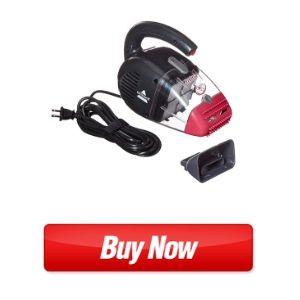
If you rely on your Bissell Pet Hair Eraser for daily pet cleanup, this filter kit is a no-brainer purchase for 2026. The set is compatible with models 2284W, 2390, 2390A, 2579, 2389, 2389D, 2389C, and 2057 — replacing parts numbered 1614212, 1614203, and 1614204. That wide compatibility means you don't have to second-guess your order, as long as you confirm your model before clicking buy.
What makes this kit stand out is the sheer volume you get. Each pack includes 4 mesh filters, 4 foam filters, and a cleaning brush — everything bundled together so you can rotate through a full year's worth of replacements without reordering. The mesh frame uses a 3-stage filtration design that captures flying pet hair, dander, and fine debris before they escape back into your air. Filter dimensions are 4.3" x 2.8" x 3.1", matching the originals closely enough for an easy drop-in installation.
Performance-wise, these filters deliver noticeably improved suction compared to a worn-out OEM filter. Pet owners who run their Bissell daily will find the 3-stage mesh construction keeps the dustbin easier to empty and maintains airflow longer between cleans. This is especially useful if you have multiple pets or anyone in your home who's sensitive to airborne particles like dander. The value proposition here is hard to beat — you're getting 8 replacement cycles in one order at a price that's typically a fraction of what Bissell charges for official replacements.
Pros:
Cons:
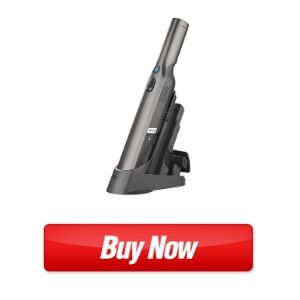
Shark's UltraCyclone Pet Pro Plus is one of the most popular lightweight cordless handhelds for pet owners, and Tablenco's replacement foam and felt filter set is the aftermarket option that keeps it running at its best. This 2-pack covers the CH901, CH950, CH951, CH951C, CH900WM, CH963AMZ, and CH964AMZ models — replacing the original part number XFTRCH900. If your Shark is on that list, you've found your filter.
The standout feature here is that these filters are both washable and machine-safe — you can run them through your washer or dryer without any shrinkage. That's a significant convenience advantage over filters you have to hand-rinse and air dry for 24 hours. Shark's OEM filters require the same care, but Tablenco's hold their shape through repeated wash cycles, which extends the usable life considerably. You're essentially getting reusable filters that pay for themselves over time rather than buying disposables every few months.
Installation is exactly as easy as the originals. The sizing is precise — they seat flush and stay in place through heavy use. Suction restoration is immediate after a filter swap or wash. Shark's cyclonic (spinning air to separate debris) system depends on clean filtration to maintain its characteristic strong pull, and these filters keep that system working as intended. If you vacuum up pet hair daily or near-daily, having a backup set in the cabinet means you're never caught with a clogged machine mid-cleanup.
Pros:
Cons:
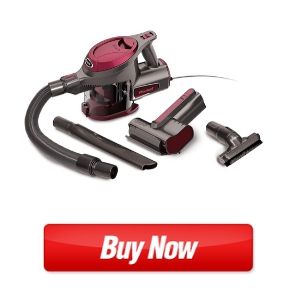
The Shark Rocket Pet Pro line — including the IZ140, IZ140C, IZ141C, IZ142, and UZ145 — is a popular choice for pet owners who want stick vacuum power in a more maneuverable package. Lichelete's filter kit replaces parts 616FJ140 and 617FJ140, and it's one of the more complete aftermarket kits you'll find. The 4-pack foam and felt bundle (with 2 high-efficiency main filters) gives you enough rotation stock to stay on top of a recommended 2-to-4-month replacement schedule.
The main filter in this kit is rated to capture 99.97% of airborne particles as small as 0.3 microns — that's true HEPA-grade (High-Efficiency Particulate Air) performance, which is meaningful for pet households. Pet dander particles are often in the 0.5–100 micron range, meaning even the finest allergens are getting trapped rather than recirculated. If someone in your home has pet-related allergies or asthma, this level of filtration actually makes a difference in air quality beyond just cleaning the floor.
Fit and installation are straightforward. The foam and felt layers seat properly inside the vacuum's filter housing with no modification needed. The main filters are firm and hold their shape through repeated use. One important note: while the foam and felt layers are washable, always confirm the main high-efficiency filter's washing instructions before running it under water — some HEPA-style filters degrade when wet. Lichelete includes enough filters in the kit that you can swap in clean ones while others dry, which is the smarter rotation approach anyway.
Pros:
Cons:
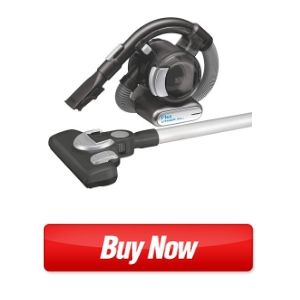
When it comes to your Black+Decker Dustbuster, there's a strong case for going with the official OEM (original equipment manufacturer) replacement. The VF110 filter is the genuine Black+Decker part compatible with models CHV9610, CHV1210, CHV1410, CHV1410B, CHV1410L, CHV1510, BDH2000L, HHVI315JO42, and HHVI320JR02. That covers a wide sweep of Dustbuster models sold over the past several years, so if your machine is on this list, this is the replacement Black+Decker actually designed for it.
The VF110 is washable, which is the standard you should expect from any filter at this price point. Regular washing keeps it performing near its original spec between full replacements. The real benefit of buying OEM here is exact fit and guaranteed compatibility — no guessing about whether aftermarket foam thickness will affect airflow or suction. Black+Decker designs the VF110 specifically to maintain the airflow characteristics built into these vacuum models, so you don't lose any suction efficiency at the filter interface.
If you use your Dustbuster primarily for pet hair on furniture and in car interiors, you'll notice the difference a fresh filter makes immediately. A clogged VF110 is typically what causes that frustrating loss of suction on upholstery — swap it out and the machine pulls pet fur out of fabric just like it did when new. The downside of going OEM is that it's usually sold as a single filter, so you're paying more per unit than you would with a multi-pack aftermarket set. For occasional users, that's fine. Daily pet-hair warriors may want to buy two at a time to avoid waiting on shipping when one is in the wash.
Pros:
Cons:
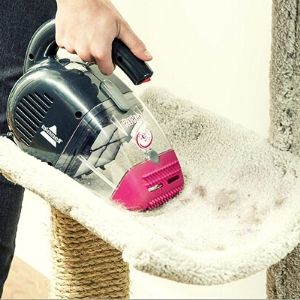
Dirt Devil's Scorpion handheld vacuums — particularly the SD20005RED, SD30025B, and BD22025 — are reliable budget-friendly machines for pet owners. They won't match the suction of a premium Shark or Bissell, but they get the job done on upholstery and quick spot cleanups. This 3-pack filter set (3 HEPA-style filters + 3 sponge filters) keeps those machines running efficiently throughout the year without a big investment in maintenance costs.
The filtration rating here is worth noting. These aftermarket F117 replacements are rated at 99.7% efficiency for particles as small as 0.3 microns — functionally close to true HEPA performance. For a budget vacuum in this category, that's strong specification. Pet dander, fine debris, and dust get trapped rather than recycled into your room air, which is the whole point of running a pet hair vacuum in the first place. The sponge pre-filter (the layer before the main filter) catches larger particles like fur clumps, extending the life of the high-efficiency filter layer behind it.
Dirt Devil recommends replacing the F117 filter every 2 to 4 months for optimal suction, and this 3-pack gives you up to a full year's worth of replacements in one order — or longer if you clean and reuse them between swaps. The value angle here is clear: this is the right pick if you have a Scorpion model and want to keep it in service without spending more on maintenance than the vacuum is worth. If you're also dealing with pet hair on your car seats and hard-to-reach areas, our guide on how to remove pet hair from a car covers some complementary approaches worth reading.
Pros:
Cons:
This is the most important step, and it's the one most buyers skip. Replacement filters are model-specific. A filter that fits a Shark CH951 will not fit a Shark IZ140, even though both are Shark cordless handhelds. Before you order anything, flip your vacuum over and find the model number printed on the label — usually on the bottom or back of the unit. Match that number against the compatible models listed in the product description. Most aftermarket manufacturers publish a full compatibility list, and if your model isn't on it explicitly, contact the seller before buying.
The same applies to part numbers. OEM filters carry specific part codes (like VF110 for Black+Decker, or 1614212 for Bissell), and aftermarket options will reference these part numbers to confirm cross-compatibility. If both the model number and the part number match, you're in safe territory. If only one matches, dig deeper before committing.
Not every household needs HEPA filtration (High-Efficiency Particulate Air — filters rated to capture 99.97% of particles at 0.3 microns). Standard foam and mesh filters do a solid job capturing visible pet hair, larger dander flakes, and dust. But if someone in your home has pet-related allergies or asthma, upgrading to a HEPA or near-HEPA aftermarket filter makes a real difference in the air quality of your home — not just the cleanliness of your floors.
If allergies are a concern in your household, prioritize filters rated at 99.97% or higher. The Lichelete IX141 and the Dirt Devil F117 options in this guide both offer this level of filtration. Standard foam/felt replacements like the Tablenco Shark set are excellent for suction maintenance and everyday use, but they aren't designed to trap microscopic allergen particles.
Almost every filter on this list is washable to some degree, but "washable" means different things across products. Foam and felt layers are generally safe to rinse under water, reshape, and air dry. High-efficiency HEPA-style filter media is more delicate — water can damage the filtration structure and reduce its effectiveness if the filter isn't designed to be wet. Always check the manufacturer's specific instructions before rinsing a main filter element.
If a filter is labeled washable, plan for a 24-hour drying time before reinstalling it. Running a vacuum with a damp filter restricts airflow, reduces suction, and can cause motor strain over time. The smart move — especially for daily-use pet households — is to own at least two filter sets so you always have a dry backup ready. Most of the multi-packs in this guide make that rotation easy to maintain year-round.
Most vacuum manufacturers recommend replacing filters every 2 to 4 months under normal use conditions. For pet owners who vacuum daily, the realistic schedule is closer to every 6 to 8 weeks. The problem is that filter degradation is gradual — you may not notice the suction drop until it's significant. By that point, your vacuum has been working harder than it should, which adds wear to the motor over time.
A better habit is to buy multi-packs and set a calendar reminder for filter swaps. Pair that with a quick rinse of washable filters every 2 to 3 weeks. This approach keeps your handheld vacuum performing at full power between replacements and extends the overall life of the machine. If you're also evaluating full-size vacuum options for your home, our best laminate floor vacuum guide covers larger machines with strong filtration systems worth comparing.
For pet owners who vacuum daily, plan to replace or thoroughly clean filters every 6 to 8 weeks. Under lighter use — a few times per week — every 2 to 4 months is the standard recommendation. Don't wait for noticeable suction loss; by that point, the filter is well past its effective lifespan and your motor has been under strain.
Yes, in most cases aftermarket filters work well and cost significantly less per filter than OEM options. The key is verifying compatibility using both your vacuum's model number and the original part number. Quality aftermarket options like the ones in this guide match OEM dimensions closely enough to restore full suction without any modification.
Foam and felt filter layers hold up well through repeated wash cycles when cared for properly — rinse gently, reshape, and allow a full 24 hours of air drying before reinstalling. High-efficiency HEPA-style main filters are more sensitive; check the specific product instructions before wetting them, as some degrade when washed. Replacing main filters on schedule is better than risking damage from improper cleaning.
Foam filters primarily capture large particles — pet hair clumps, dust bunnies, and coarse debris — and protect the motor from clogging. HEPA filters (rated at 99.97% capture efficiency for particles 0.3 microns or larger) are designed to trap fine allergens like pet dander, pollen, and dust mite particles. For households with allergy sufferers, adding a HEPA-rated main filter to your vacuum makes a meaningful difference in indoor air quality.
In most cases, yes — a clogged filter is the leading cause of suction loss in handheld vacuums. Before replacing the filter, also check the dustbin (empty it if needed), inspect the hose and nozzle for blockages, and make sure the filter is seated properly. If suction doesn't improve after a filter swap and clearing any blockages, the issue may be motor-related and the vacuum itself may need service or replacement.
High-quality aftermarket filters from reputable manufacturers perform comparably to OEM originals when they're the correct dimensions and filtration grade. The main risks with lower-quality aftermarket options are poor fit (causing air leaks that reduce suction efficiency) and inferior filtration media. Sticking with established brands and verifying model compatibility — as with every option in this guide — eliminates most of those risks.
 |
 |
 |
 |

About Linea Lorenzo
Linea Lorenzo has spent over a decade testing home gadgets, cleaning products, and consumer electronics from his base in Sacramento, California. What started as a personal obsession with keeping his space clean and stocked with the right tools evolved into a full-time writing career covering the home products space. He has hands-on experience with hundreds of cleaning solutions, robotic and cordless vacuums, and everyday household gadgets — evaluating them for performance, value, and real-world usability rather than spec sheet appeal. At Linea, he covers home cleaning guides, general how-to tutorials, and practical product advice for everyday home care.
You can Get FREE Gifts. Furthermore, Free Items here. Disable Ad Blocker to receive them all.
Once done, hit anything below
|
|
|
|