
A new Kirby vacuum typically costs between $1,000 and $3,000, depending on the model and the dealer selling it. That price tag places it firmly in the premium tier of the home cleaning market — far above what most households spend on a vacuum. Yet Kirby has maintained a loyal following for decades. Understanding Kirby vacuum price and value requires looking beyond the initial sticker shock and examining what you actually receive for that investment. If you have ever wondered whether a vacuum could truly be worth four figures, you are asking the right question.
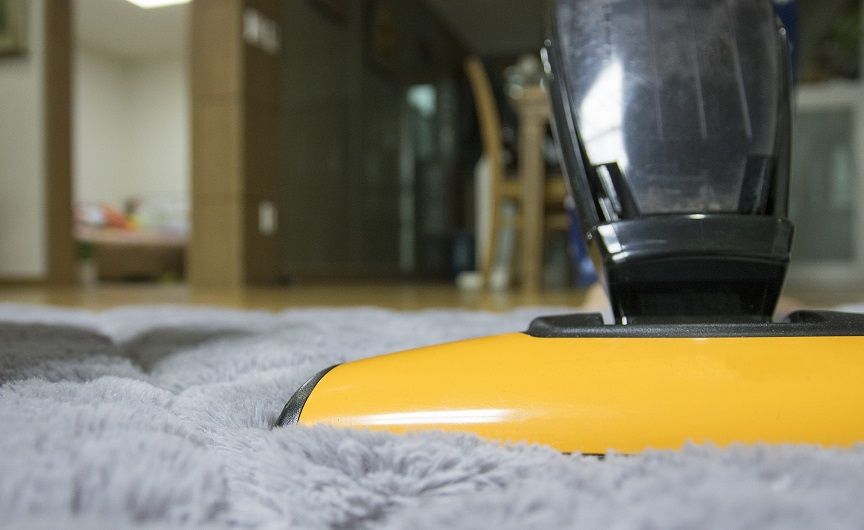
Kirby vacuums are sold exclusively through in-home demonstrations, which means you will not find them on retail shelves or in most online stores. This direct-sales model contributes to the higher price, but it also means there is often room for negotiation. Refurbished and used Kirby units are available for significantly less — sometimes under $300 — and many of those machines still have years of life remaining.
Before committing to any vacuum at this price point, it is worth comparing Kirby against other high-end options, understanding what scenarios justify the cost, and deciding whether the long-term ownership math works in your favor. This guide walks you through each of those considerations so you can make a fully informed decision. For additional context on what specifications actually matter, see our breakdown of what vacuum suction power numbers actually mean.
Contents
The Kirby vacuum price and value equation shifts dramatically depending on whether you purchase new or refurbished. A brand-new Kirby Avalir 2, the most recent model, generally sells between $1,500 and $2,500 during an in-home demonstration. However, sales representatives often have flexibility. Some buyers report negotiating the price down by several hundred dollars simply by expressing hesitation.
Refurbished Kirby models — including the Sentria, Diamond Edition, and G-series — sell on secondary markets for $150 to $600. Because these machines are built with metal internals rather than plastic housings, a well-maintained unit from 10 or even 20 years ago can still deliver strong performance.
| Vacuum | Price Range | Avg. Lifespan | Sold Via |
|---|---|---|---|
| Kirby Avalir 2 (new) | $1,500–$2,500 | 20–30 years | In-home demo |
| Kirby (refurbished) | $150–$600 | 10–20 years | Online resellers |
| Dyson Ball Animal 3 | $400–$500 | 7–10 years | Retail / online |
| Miele Complete C3 | $700–$1,200 | 15–20 years | Retail / online |
| Shark Rotator Pro | $250–$350 | 5–8 years | Retail / online |
Beyond the purchase price, factor in replacement bags, belts, and occasional brush roll changes. Kirby uses a bagged system, so you will spend roughly $30 to $50 per year on genuine HEPA bags. Belts should be replaced every six to twelve months at approximately $5 each. These costs are modest relative to the machine's price, but they add up over decades of ownership.
Kirby's strongest argument is longevity. The company has manufactured vacuums since 1914, and machines from the 1970s and 1980s still appear in working condition on resale sites. The chassis is die-cast aluminum. The motor is fan-cooled and designed for continuous heavy use. If you divide the purchase price by years of service, the annual cost often falls below that of cheaper vacuums replaced every five years.
Consider a $2,000 Kirby lasting 25 years: that is $80 per year. A $300 vacuum replaced every six years costs $50 per year in purchase price alone — but once you add declining performance and repair costs, the gap narrows or disappears entirely. Understanding how often you should replace vacuum parts helps you estimate these long-term expenses more accurately.
Kirby vacuums are designed for owner-serviceable maintenance. You can replace belts, brush rolls, and bags without professional help. The Kirby Company also maintains a network of authorized rebuild centers that can restore older units to near-original condition for $100 to $200. This repairability stands in contrast to many modern vacuums where a motor failure means replacing the entire unit. Keeping your machine in top shape follows the same principles outlined in our guide on how to maintain your vacuum so it lasts for years.
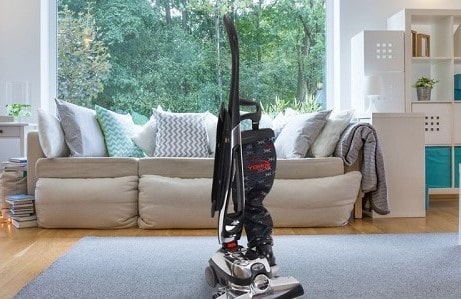
Kirby vacuums excel at deep carpet extraction. The self-propelled power drive and aggressive brush roll dig into high-pile and plush carpeting in ways that lighter uprights simply cannot match. If your home is primarily carpeted — especially with thick or shag-style carpet — a Kirby will outperform most competitors in raw dirt removal. The optional shampoo attachment transforms the unit into a carpet cleaner, eliminating the need for a separate machine or homemade cleaning solutions.
With its attachment suite, a Kirby transitions from carpet to bare floors, upholstery, mattresses, and even inflation tasks. However, it is worth noting that the machine weighs approximately 23 pounds. Maneuvering it between rooms and up staircases requires effort. For multi-level homes, you may find yourself wanting a secondary lightweight vacuum for quick upper-floor jobs — which somewhat undermines the all-in-one value proposition.
You will get the most value from a Kirby if you own a single-story home with predominantly carpeted floors, plan to stay in that home long-term, and prefer repairing equipment rather than replacing it. Families with allergy concerns also benefit from Kirby's HEPA-level filtration and sealed system, which captures fine particles that cheaper vacuums recirculate. Our comparison of HEPA vs. standard filtration explains why this matters for indoor air quality.
Buyers who find a refurbished Kirby in good condition represent perhaps the strongest value case. A $300 refurbished Sentria with a fresh rebuild delivers 90% of the performance of a new unit at a fraction of the cost.
A Kirby is not the right fit for every household. If you live in a small apartment, the weight and bulk become liabilities rather than advantages. A quality stick or compact upright will serve you better in tight spaces. If your home has mostly hardwood or tile, the Kirby's deep-cleaning brush roll offers diminishing returns — a canister vacuum or even a quality robot vacuum may be more practical for daily maintenance.
You should also be cautious about the in-home sales experience. High-pressure tactics are well-documented in the direct-sales industry. Never feel obligated to purchase during the demonstration. If the product genuinely fits your needs, it will still fit them after you have had time to compare prices and read reviews independently.
A new Kirby ships with a substantial attachment kit. Depending on the model and package, you may receive:
This versatility is central to the Kirby vacuum price and value argument. You are not purchasing a single-purpose vacuum — you are purchasing a multi-tool cleaning system. Whether you actually use all of those attachments is a personal question worth honest self-assessment before buying.
Kirby's HEPA filtration captures 99.97% of particles down to 0.3 microns. The sealed system ensures that captured dust and allergens do not leak back into your living space through housing gaps — a common issue with budget vacuums. For households with asthma sufferers, pet owners, or anyone sensitive to airborne particulates, this level of filtration represents genuine health value that extends beyond simple floor cleanliness.
Yes. Kirby sales representatives typically have authorization to offer discounts, financing, or bundled accessories. It is not uncommon to reduce the quoted price by $300 to $500. You can also request a follow-up visit, which often prompts a better offer. Never accept the first quoted price without exploring your options.
Refurbished Kirby vacuums from authorized rebuild centers are generally reliable and come with limited warranties. Units from private sellers carry more risk, so inspect the motor, brush roll, and bag seal before purchasing. Because Kirby uses durable metal construction, even older models can deliver strong performance if properly maintained.
Kirby and Dyson target different priorities. Dyson emphasizes lightweight design, cordless convenience, and modern aesthetics. Kirby prioritizes raw cleaning power, multi-decade durability, and repairability. If longevity and deep carpet cleaning are your top concerns, Kirby typically delivers better long-term value per dollar spent. If portability and ease of use matter more, Dyson is the stronger choice.
The Kirby vacuum price and value equation ultimately depends on your home, your cleaning habits, and your willingness to commit to a single machine for the long haul. Before purchasing — whether new or refurbished — take time to compare it against alternatives in your price range, request a no-obligation demonstration, and honestly assess whether the weight and attachment system suit your daily routine. Your future self will thank you for doing the research now rather than discovering a mismatch after the check has cleared.
 |
 |
 |
 |

About Liz Gonzales
Liz Gonzales grew up surrounded by art and design in a New York suburb, with both parents teaching studio arts at the State University of New York. That environment sharpened her eye for aesthetics and spatial detail — skills she now applies to evaluating home products where form and function both matter. She has spent the past several years writing about lighting, home decor accessories, and outdoor living gear, with a particular focus on how products perform in real residential settings rather than showrooms. At Linea, she covers lighting fixtures and bulb reviews, outdoor and patio gear, and general home product comparisons.
You can Get FREE Gifts. Furthermore, Free Items here. Disable Ad Blocker to receive them all.
Once done, hit anything below
|
|
|
|