
Last spring, I opened the hall closet and an avalanche of reusable bags, expired batteries, and mystery cables nearly knocked me over. That was the moment I stopped treating spring cleaning like a vague seasonal obligation and started approaching it like a real project with a plan. If you've been wondering how to spring clean your home without losing an entire weekend to chaos, this guide lays out 15 actionable tips — in a sequence that actually works. Start by browsing our cleaning guides for the full picture.

According to the U.S. Environmental Protection Agency, indoor air can be two to five times more polluted than outdoor air — and much of that pollution comes from dust, mold spores, pet dander, and volatile compounds that accumulate through the colder months. A thorough seasonal clean doesn't just make your home look better; it makes the air you breathe measurably healthier.
Most spring cleaning attempts stall halfway through because there's no clear order of operations. You start in one room, get distracted by another that looks worse, and by noon everything is messier than when you began. The tips below are sequenced intentionally — follow them and you won't clean the same surface twice or miss the spots that matter most.
Contents
Knowing how to spring clean effectively starts with sequence. Follow these steps in order and the whole process becomes manageable — even for a large home. Skip ahead and you'll end up doubling your work.
Cleaning around clutter is inefficient. Before you pick up a sponge or switch on the vacuum, go through every room and sort items into three categories: keep, donate, and discard. Use bags or boxes to physically separate them and move them out of the space before cleaning begins.
The mistake most people make is trying to declutter and clean simultaneously. It splits your focus and makes both tasks take longer. For a deeper look at what goes wrong during a home clean, read our guide on common home cleaning mistakes — several of them are directly related to skipping this step.
Start with the rooms you use least — guest rooms, storage closets, basements — and finish with the rooms you use daily. Within each room, always work top to bottom, left to right: ceiling fans and light fixtures first, then walls and windows, then furniture surfaces, then floors last. This prevents you from dropping dust onto areas you've already cleaned.
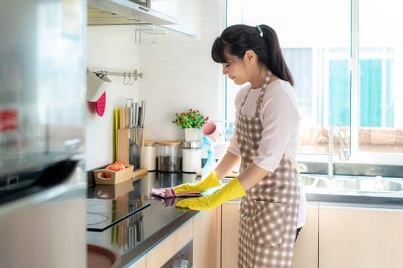
The kitchen deserves dedicated attention. Empty every cabinet before wiping the interiors, degrease the range hood filter, clean inside and behind the refrigerator, and scrub the sink drain. For hard floors, match your method to the material — hardwood floors require gentler products and techniques than tile or vinyl.
The real value of spring cleaning is reaching spots that get ignored the rest of the year. These hidden areas accumulate the most dust, allergens, and grime:
Run a damp microfiber cloth along the top of every door frame in your home before vacuuming — you'll be surprised how much settles up there, and it takes less than five minutes total.
Knowing the right order matters, but the right tools and techniques are what prevent you from redoing work or damaging surfaces in the process.
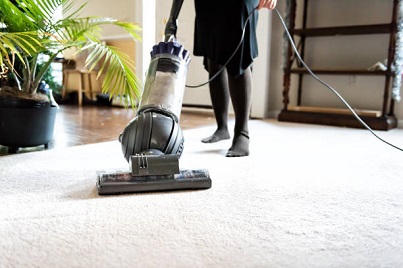
A HEPA-filter vacuum is non-negotiable for spring cleaning. Standard vacuums recirculate fine particles back into the air; HEPA filters trap them at 0.3 microns — capturing the allergens and dust mite debris that trigger respiratory issues. Use a beater-bar head for carpets, a soft brush attachment for hardwood, and a crevice tool for baseboards and upholstery seams.
Technique matters as much as the machine. Slow, overlapping passes pick up significantly more debris than fast single passes. Our guide on how to vacuum a carpet and rug properly covers the full method — the same principles apply to your whole-home spring clean.
You don't need a cabinet full of specialty products. A short, well-chosen list handles almost every surface in your home:
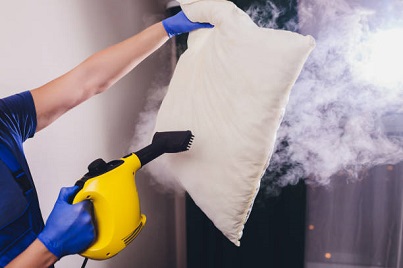
Steam cleaning is one of the most effective tools in the spring cleaning toolkit. It sanitizes without harsh chemicals, penetrates grout, and works on sealed tile, laminate, and upholstered furniture. If you're wondering whether steam actually kills bacteria and viruses, the short answer is yes — our detailed breakdown of whether steam cleaners disinfect explains the science. For tackling sofas and cushioned furniture specifically, read our guide to steam cleaning a couch for a step-by-step walkthrough.
Spring cleaning is a genuine investment of time, energy, and sometimes money. Here's an honest look at what you gain — and what it actually costs you to get there.
The benefits of a clean home go beyond appearances. A thorough seasonal clean delivers results that accumulate over weeks, not just hours:
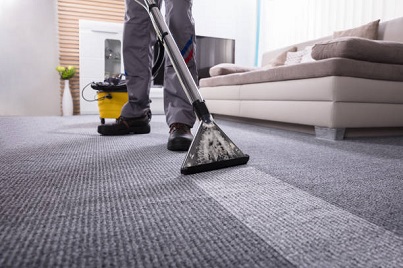
The effort you put into spring cleaning is only worth it if you build habits that prevent the same buildup from returning. Maintenance is always easier than recovery — a little consistency goes a long way.
A 20–30 minute weekly reset prevents the need for another emergency deep clean. Assign each task to a specific day so it becomes automatic rather than a decision you have to make every time:
For a broader system that covers the whole home — not just cleaning but organization and flow — see our 10 tips to keep your home organized. The overlap with cleaning maintenance is significant.
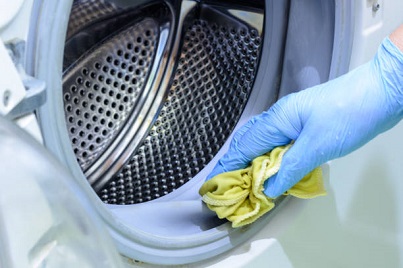
Your vacuum, steam cleaner, and washing machine all need regular maintenance. Dirty equipment cleans poorly — and in some cases, it actively spreads what it's supposed to remove:
Whether you're going the DIY route or calling in professionals, spring cleaning has real costs. Knowing them upfront helps you plan a realistic budget and avoid unpleasant surprises mid-project.
| Item | Estimated Cost | Notes |
|---|---|---|
| All-purpose cleaner (2–3 bottles) | $8–$15 | Or DIY with white vinegar and dish soap |
| Microfiber cloths (set of 12) | $10–$20 | Reusable; replace once per year |
| Replacement HEPA vacuum filter | $10–$40 | Varies by brand and filter type |
| Steam cleaner rental (1 day) | $30–$60 | Available at most hardware and grocery stores |
| Trash bags, bins, labels | $15–$30 | For decluttering and reorganizing closets |
| Specialty cleaners (grout, stainless, etc.) | $10–$25 | Only if your surfaces require them |
| Total DIY (2-bedroom home) | $83–$190 | Per season; most supplies last multiple cleans |
Professional deep cleaning for a 2-bedroom home typically runs $150–$400, depending on your location and the scope of work. It makes financial sense when:
Even if you hire out the deep work, decluttering is always your job. Professional cleaners clean surfaces — they don't sort through your belongings.

For a 2-bedroom, 1,000–1,500 sq ft home, plan on 8–12 hours if you're doing it yourself. Larger homes or heavily cluttered spaces can push that to 16 hours or more. Spreading the work across two weekends is more realistic and produces better results than trying to finish everything in one exhausting session.
Declutter every room before you clean anything. Then work from least-used to most-used rooms, and within each room clean top to bottom — ceilings and fans first, then walls and windows, then furniture, then floors last. This sequence ensures you never drop dust onto surfaces you've already cleaned.
No. An all-purpose cleaner, baking soda, white vinegar, dish soap, and microfiber cloths handle the vast majority of tasks. A steam cleaner covers grout, tile, and upholstery without chemicals. Specialty products — granite cleaner, stainless steel polish — are only necessary if you have those specific surfaces in your home.
Build a weekly reset routine with tasks assigned to specific days — 20–30 minutes daily prevents buildup from returning. Keep your equipment maintained: empty the vacuum bin before it's half full, descale your steam cleaner monthly, and run a vinegar cycle through your washing machine regularly. Consistent small habits protect the results of your deep clean.
 |
 |
 |
 |

About Liz Gonzales
Liz Gonzales grew up surrounded by art and design in a New York suburb, with both parents teaching studio arts at the State University of New York. That environment sharpened her eye for aesthetics and spatial detail — skills she now applies to evaluating home products where form and function both matter. She has spent the past several years writing about lighting, home decor accessories, and outdoor living gear, with a particular focus on how products perform in real residential settings rather than showrooms. At Linea, she covers lighting fixtures and bulb reviews, outdoor and patio gear, and general home product comparisons.
You can Get FREE Gifts. Furthermore, Free Items here. Disable Ad Blocker to receive them all.
Once done, hit anything below
|
|
|
|