
Last spring, a friend called in near panic — her kitchen tiles were cracking apart, and the contractor quoted $8,000 to replace them. She nearly canceled the whole project on the spot. If you're staring at a worn-out kitchen floor and dreading the cost, the best kitchen floor ideas on a budget can transform your space for a fraction of that price — and many options make everyday cleaning genuinely effortless.

Your kitchen takes more punishment than any other room in the house — spills, dropped pots, steam, grease, and constant foot traffic all work against the floor beneath your feet. Choosing the right material means balancing cost per square foot, moisture resistance, comfort underfoot, and how easy the surface is to maintain over the long term. A smart choice installed correctly lasts decades, and it saves you from repeating this whole project in just a few years.
From materials a confident DIYer can install in a single weekend to affordable surfaces that stand up to years of daily kitchen use, your options today are better than ever. This guide covers every material worth serious consideration, honest cost breakdowns, and the practical advice to help you decide correctly the very first time.
Contents
Before you fall in love with a flooring option at the showroom, confirm it meets the basic demands of a kitchen environment. Budget floors fail when buyers prioritize looks over function, then deal with warping, staining, or cracking within two years of installation.
Never install solid hardwood in a kitchen without a proper vapor barrier and strict spill protocols — moisture damage voids most warranties and is both costly and difficult to reverse.
Today's budget flooring options outperform what premium products offered a decade ago, and that gap keeps closing every season. Luxury vinyl plank and ceramic tile remain the two most reliable value choices, but cork, laminate, bamboo, and linoleum all deserve serious consideration depending on your kitchen's specific conditions. According to Wikipedia's overview of flooring materials, each category has distinct performance characteristics tied to its base composition — understanding those helps you match the material to your actual needs, not just your aesthetic preferences.
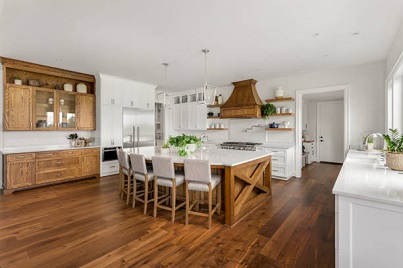
If you want the hardwood look on a tight budget, engineered hardwood or high-quality LVP delivers nearly identical visuals with better moisture resistance and a significantly lower price point. Once your floor is installed, our guide on how to clean hardwood floors covers the long-term maintenance routine that keeps wood-look surfaces looking sharp.
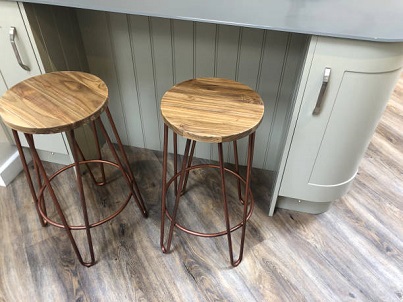
Luxury vinyl plank is the most popular budget kitchen flooring choice available right now, and it earns that position through a strong combination of waterproof performance, realistic aesthetics, and DIY-accessible installation. Most LVP products use a click-lock system that floats over the subfloor, letting you finish a standard kitchen in a single day without adhesive. Before choosing a brand, check our roundup of the best laminate flooring brands — several manufacturers produce premium LVP lines alongside laminate products at overlapping price points.
Tile is the classic kitchen floor material, earning its reputation through decades of proven durability and exceptional moisture resistance. Ceramic tile starts at roughly $1 per square foot, making it one of the most affordable options on this list by raw material cost alone. The main drawbacks are the hard surface underfoot and the grout lines, which require periodic sealing and scrubbing to stay sanitary. If you're comparing tile to other waterproof surfaces, our guide on waterproof bathroom flooring ideas covers several of the same materials under high-moisture conditions — a useful performance benchmark before you commit.
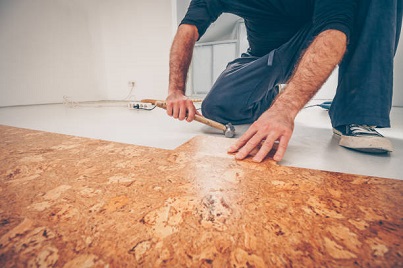
Cork is one of the most underrated budget flooring materials for kitchens, offering natural antimicrobial properties, exceptional comfort underfoot, and good thermal insulation. It compresses slightly under foot traffic, making long cooking sessions far less fatiguing than standing on tile or hardwood for the same duration. Before installing cork planks or tiles, read the detailed breakdown of cork underlayment: pros and cons, because understanding how cork interacts with your subfloor is critical to getting a long-lasting result.
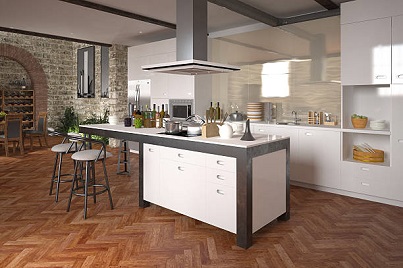
Laminate delivers a convincing wood or stone look at prices that often come in below $3 per square foot for material. Modern AC4-rated laminate handles moderate moisture, though it's not as waterproof as LVP — seal the edges and address spills quickly. Parquet adds a geometric visual complexity that looks significantly more expensive than it actually costs per square foot. If you plan to seal laminate or wood edges after installation, our guide on how to apply polyurethane to floors walks through the full process step by step.
Bamboo is a rapidly renewable material that competes directly with hardwood on aesthetics and durability while consistently coming in at a lower price per square foot. Strand-woven bamboo is the hardest option in this category and handles kitchen traffic exceptionally well, though it still requires prompt spill cleanup to prevent moisture damage at the plank edges. Linoleum — not to be confused with vinyl — is a natural, biodegradable material that resists bacteria growth and cleans up easily with basic floor solutions. For a complete care routine, our article on how to clean linoleum floors covers everything from daily mopping to stain removal without damaging the finish.

Rubber flooring, borrowed from commercial kitchens, offers exceptional slip resistance and fatigue relief for home cooks who spend long hours standing at the stove. It's available in residential formats that install with adhesive or as interlocking tiles, and the material price is surprisingly accessible for what it delivers in comfort and safety.
Not every damaged floor requires a full tearout, but certain conditions make a complete replacement the only sensible long-term choice. Patching over structural problems always results in a more expensive repair down the road.
If you detect soft spots when walking your kitchen floor, inspect the subfloor before installing anything new — covering structural damage always makes the eventual repair far more expensive than addressing it early.
A full replacement isn't always warranted, and recognizing the difference saves significant money and labor. These conditions call for a refresh rather than a tearout:
Grout recoloring, floor paint designed for hard surfaces, and thorough deep cleaning can transform a floor that looks worn but is structurally sound — all completable over a single weekend for well under $200.
The total cost of any kitchen floor project depends on three variables: material price per square foot, installation method (DIY vs. professional), and the condition of your existing subfloor. The table below gives you honest ranges across the most popular budget options, estimated for a 150 sq ft kitchen.
| Flooring Type | Material (per sq ft) | DIY Total (150 sq ft) | Pro Install Total (150 sq ft) | Moisture Resistance |
|---|---|---|---|---|
| Luxury Vinyl Plank (LVP) | $2–$7 | $300–$1,050 | $750–$1,800 | Excellent |
| Ceramic Tile | $1–$5 | $400–$900 | $900–$2,200 | Excellent |
| Laminate | $1–$4 | $250–$750 | $700–$1,500 | Moderate |
| Cork | $3–$8 | $500–$1,350 | $900–$2,000 | Good (when sealed) |
| Bamboo | $2–$6 | $400–$1,050 | $800–$1,800 | Moderate |
| Linoleum | $2–$5 | $350–$900 | $700–$1,600 | Good |
The material price is only part of what you'll actually spend, and overlooking these line items is how budgets blow out before the job is finished.
You don't always need to replace the floor to transform how your kitchen looks and feels. Several fast options deliver a genuine visual upgrade with minimal time and money invested upfront.
Sometimes the floor itself isn't the problem — accumulated grime, stained grout, or a dull finish is what makes it look dated and worn. These steps cost almost nothing and routinely make floors look years newer.
A thorough deep clean and fresh grout seal can make a decade-old tile floor look nearly new — always try targeted maintenance before committing to the cost of a full replacement.
Pairing smart floor choices with solid household habits extends the life of any kitchen surface significantly. Our guide on 10 tips to keep your home organized includes practical strategies for reducing the traffic patterns and spills that wear kitchen floors down fastest over time.
Ceramic tile and peel-and-stick vinyl are the two most affordable starting points, with ceramic tile material available for as little as $1 per square foot and peel-and-stick vinyl starting around $0.50 per square foot. Both are durable and moisture resistant, making them genuinely practical choices for a tight budget rather than just temporary cosmetic fixes.
Luxury vinyl plank is one of the best kitchen floor ideas on a budget because it's 100% waterproof, comfortable underfoot for long cooking sessions, and installs as a floating floor that most homeowners handle without hiring a professional. It comes in realistic wood and stone finishes that look far more expensive than the actual cost per square foot.
Installed and maintained correctly, LVP lasts 15–25 years, ceramic tile lasts 20–50 years, and laminate typically lasts 10–20 years depending on moisture exposure. The biggest factor in longevity isn't the price tier of the material — it's the quality of your subfloor preparation before installation and the consistency of your maintenance routine afterward.
Yes — LVP, laminate, cork planks, and peel-and-stick vinyl are all designed for DIY installation, and completing the work yourself typically saves $300–$800 in labor costs on an average kitchen. Tile installation is technically possible as a DIY project but demands more skill; errors in layout or subfloor prep are difficult and expensive to correct once the mortar sets.
Glazed ceramic tile and luxury vinyl plank are the easiest kitchen surfaces to maintain because neither absorbs liquids, and both respond well to standard mop-and-bucket routines. Grout lines on tile require periodic resealing to prevent staining, but vinyl plank has no grout at all and needs only regular sweeping plus occasional damp mopping to stay in excellent condition.
 |
 |
 |
 |

About Liz Gonzales
Liz Gonzales grew up surrounded by art and design in a New York suburb, with both parents teaching studio arts at the State University of New York. That environment sharpened her eye for aesthetics and spatial detail — skills she now applies to evaluating home products where form and function both matter. She has spent the past several years writing about lighting, home decor accessories, and outdoor living gear, with a particular focus on how products perform in real residential settings rather than showrooms. At Linea, she covers lighting fixtures and bulb reviews, outdoor and patio gear, and general home product comparisons.
You can Get FREE Gifts. Furthermore, Free Items here. Disable Ad Blocker to receive them all.
Once done, hit anything below
|
|
|
|