
The best tips to keep home organized are simple, repeatable actions you can build into your day — not complicated systems that fall apart by Tuesday. A tidy home is not a personality trait. It's the result of clear habits, smart storage, and knowing which spots in your home cause the most trouble. Whether you're starting from a total mess or just trying to stop the slow drift back to clutter, this guide gives you real strategies that work in real life. Browse the cleaning section for more practical home care tips alongside these organization habits.

Most people approach organization the wrong way. They tolerate clutter until it becomes unbearable, then spend a weekend cleaning everything, feel great for a few days, and watch it all unravel again. That cycle is exhausting — and it's not a willpower problem. It's a systems problem. When your home lacks clear places for things to live, objects pile up by default. Fix the system, and the clutter stops returning.
The payoff is bigger than a tidy living room. A clean, organized home reduces stress, sharpens focus, and makes everyday tasks faster — from cooking to getting out the door on time. Once you understand what actually drives clutter and put a few solid habits in place, maintenance takes minutes a day instead of hours on weekends.
Contents
Clutter is not a sign that you're lazy or disorganized by nature. It's what happens when your home doesn't have clear systems for where things live. When an object has no designated spot, it lands on the nearest flat surface and stays there. That surface becomes a staging area. The staging area becomes permanent storage. That's how a kitchen counter goes from one misplaced phone charger to an impenetrable pile of mail, tools, and yesterday's grocery bags.
The fix isn't to try harder. The fix is to give every object a home — a specific, consistent place it returns to after every use. Once you do that, putting things away requires zero decision-making. It's automatic.
Your surroundings constantly tell your brain what "normal" looks like. Research from the American Psychological Association has linked cluttered home environments to elevated cortisol (the stress hormone) and chronic low-grade anxiety. When clutter is your baseline, tidying feels like extra effort. When order is your baseline, maintaining it feels effortless — because your brain treats it as the natural state of things. The goal is to shift that baseline.
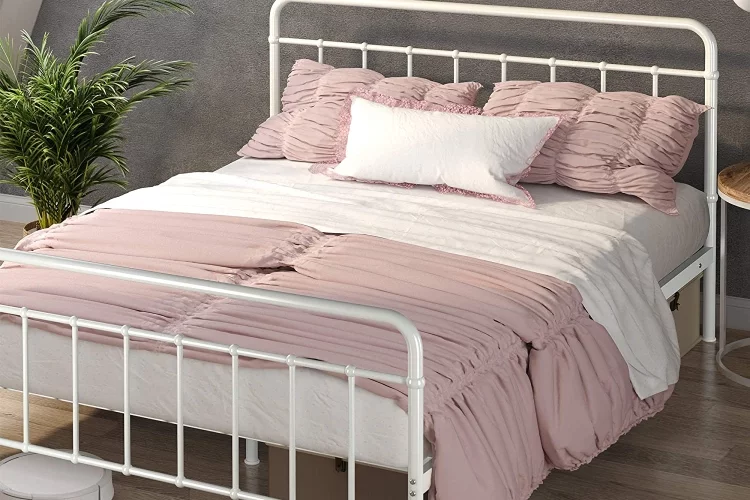
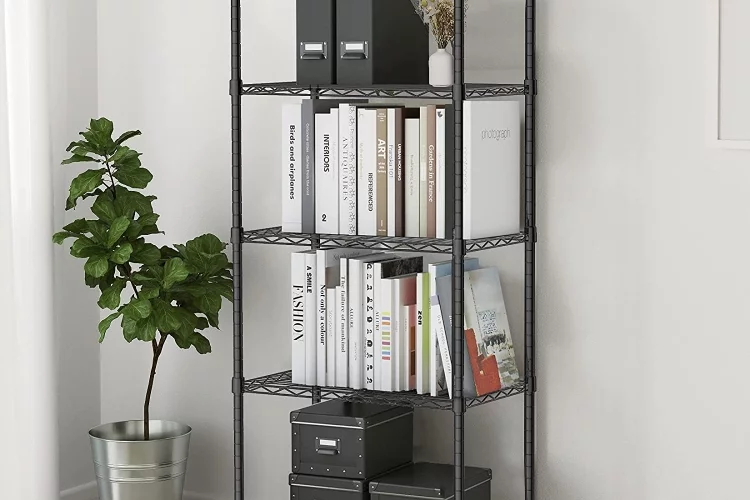
You don't need expensive matching sets or a closet renovation. A handful of well-chosen items make a significant, immediate difference. Here are the ones that earn their place:
| Method | Best For | Cost | Setup Effort | Maintenance |
|---|---|---|---|---|
| Clear bins + labels | Closets, pantries, shelves | Low | Low | Very low |
| Drawer dividers | Kitchen, bathroom, desk | Low | Low | Very low |
| Over-door organizers | Closets, pantries, bathrooms | Low–Medium | Low | Low |
| Pegboards | Garage, craft room, kitchen | Medium | Medium | Low |
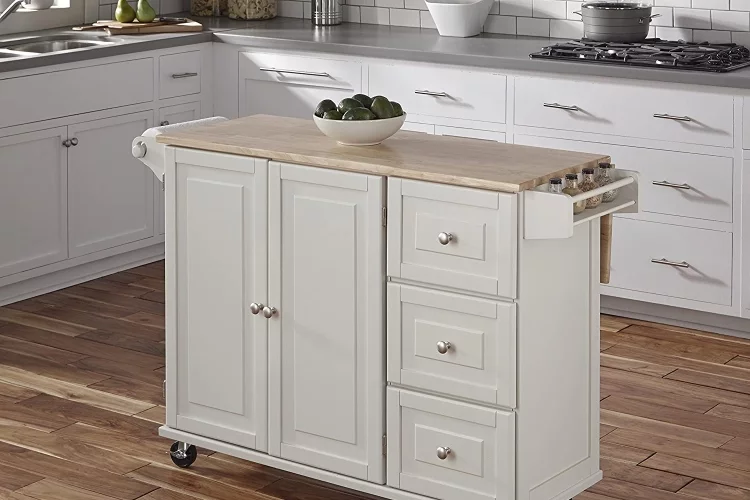
| Rolling carts | Multi-room, flexible use | Medium | Low | Low |
| Built-in shelving | Living room, home office | High | High | Medium |
These tips to keep home organized are most powerful when tied to existing routines — morning rituals, before-bed wind-downs, or the moment you walk through the door. Habit stacking (attaching a new action to an existing one) is the fastest way to make these automatic:
Motivation is unreliable. On tired evenings and busy mornings, motivation evaporates — and that's exactly when clutter wins. Routines don't depend on motivation. They run on autopilot. The key is to attach tidying tasks to things you already do reliably — wiping the stovetop while your coffee brews, clearing the bathroom counter while the shower heats up, returning items to their place while you're already crossing the room.
Small, automatic actions compound over time. A home maintained through dozens of thirty-second habits is cleaner and less stressful than one maintained through occasional intense cleaning sessions.
A single-person effort in a multi-person home will always fail eventually. Everyone who lives in the space needs to know and actively use the same system. That means:
If you have pets, staying on top of fur and dander is part of keeping your home in order. Regular vacuuming prevents buildup from becoming an overwhelming task — this guide on how to get rid of pet hair in your home covers the tools and techniques that work best for different floor types.
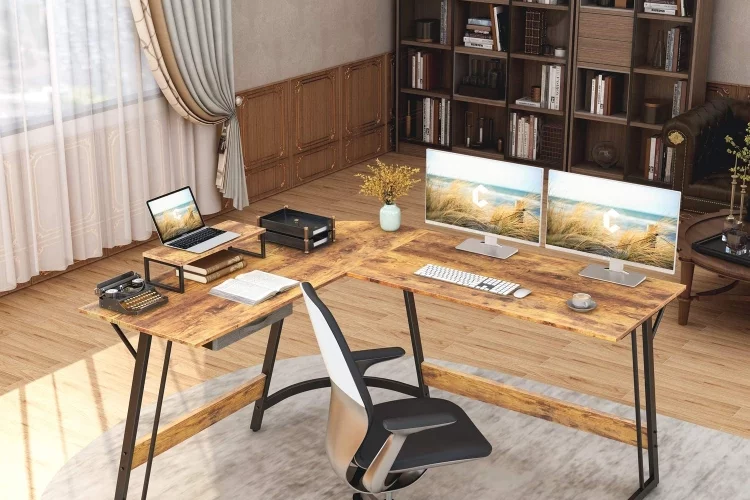
If your home is currently disorganized, don't try to fix everything at once. That approach leads to half-finished rooms and burnout. Start with the room you spend the most time in. Get that one space working well, then move to the next. Three focused hours in one room beats a frantic whole-house effort that leaves everything half-done and nothing actually functional.
Beginner priorities that make an immediate difference:
Once your basics are running smoothly, the next level is about reducing friction and decision-making throughout the day. Advanced organization is less about storage and more about design:
More storage doesn't solve a clutter problem — it hides it. If your home feels overwhelmed by stuff, the problem is almost always volume, not storage capacity. Before you buy another bin, shelf, or cabinet, do a purge. Remove what you don't use, don't need, or don't love. Then organize what's left. Buying storage for items you should have gotten rid of is expensive and temporary — the clutter always comes back.
One of the most paralyzing beliefs about getting organized is that you need a full free day — or a full free weekend — before you can begin. You don't. Fifteen targeted minutes a day produces more lasting change than a single frantic overhaul. Progress is cumulative. One drawer today, one shelf tomorrow. Done consistently over a few weeks, you'll have transformed your home without any single painful session.
Organized people have systems — that's the whole secret. They're not wired differently, and they weren't born this way. They built routines that make returning things to their place as automatic as picking them up. Every habit in this article is learnable and buildable, regardless of how disorganized you feel right now.
The advantages of staying organized go beyond aesthetics. They're practical, daily, and significant:
High organization isn't entirely free. Be honest about these trade-offs before you commit to a system:
The right level of organization is personal. Some people thrive with tightly structured systems; others do better with a few simple rules and minimal containers. Start lean, live with it for a few weeks, and add structure only where you feel real friction.
The key is making the system easy enough for kids to follow without help. Use low, open bins with picture labels so children can see and reach their own things. Keep toy storage in the rooms where toys are used, not hidden away. Build a quick five-minute tidy into the end of every day — make it a routine, not a punishment, and most kids will do it without resistance.
Use the four-box method: label four boxes Keep, Donate, Trash, and Relocate. Touch every item in the room once and immediately place it in one of the four boxes. Don't debate — if you haven't used something in a year, it goes in Donate or Trash. Process all four boxes before you leave the room. Most people can declutter a bedroom in two to three hours this way.
Daily micro-habits handle most maintenance. A weekly fifteen-minute reset catches what slips through. A quarterly review — where you go through closets, cabinets, and storage areas — prevents gradual accumulation from becoming a problem again. Deep cleaning schedules vary by area: kitchens and bathrooms need more frequent attention than bedrooms or home offices.
Start with the room you spend the most time in, or the one causing you the most daily stress. For most people, that's the kitchen or bedroom. A functional, organized kitchen affects every meal and morning routine. Getting one room genuinely working gives you momentum and a clear model for the rest of the house.
Stop relying on motivation — build routines instead. Motivation fluctuates. Routines run automatically. Attach tidying actions to things you already do every day, like brewing coffee or brushing your teeth. Once the habits are built into your existing schedule, staying organized stops feeling like extra effort and starts feeling like the natural state of your home.
No. Purging what you don't need is more valuable than any storage product. Once you've removed the excess, start with clear bins and labels — both are inexpensive and effective. Avoid buying storage solutions before you know exactly what you need to store. Most people over-buy containers and under-use them because they never dealt with the volume problem first.
Vertical space is your best asset in a small home. Use shelving that reaches the ceiling, over-door organizers on every suitable door, and furniture that doubles as storage — ottomans with lids, beds with drawers, benches with compartments underneath. Apply the one-in, one-out rule strictly: in a small space, accumulation becomes a problem much faster than in a larger home.
Cleaning removes dirt, dust, and grime. Organizing creates systems for where things live. You need both, but they're different tasks that happen at different frequencies. A home can be clean but disorganized, or organized but dusty. The most livable homes are both — regular cleaning keeps surfaces hygienic, while consistent organization means cleaning goes faster because there's nothing to move out of the way first.
 |
 |
 |
 |

About Liz Gonzales
Liz Gonzales grew up surrounded by art and design in a New York suburb, with both parents teaching studio arts at the State University of New York. That environment sharpened her eye for aesthetics and spatial detail — skills she now applies to evaluating home products where form and function both matter. She has spent the past several years writing about lighting, home decor accessories, and outdoor living gear, with a particular focus on how products perform in real residential settings rather than showrooms. At Linea, she covers lighting fixtures and bulb reviews, outdoor and patio gear, and general home product comparisons.
You can Get FREE Gifts. Furthermore, Free Items here. Disable Ad Blocker to receive them all.
Once done, hit anything below
|
|
|
|