
Ever walked into your kitchen or basement and wondered why your tile floor feels like it just stepped out of a shower? That slippery, damp surface isn't random — and if you've been searching for how to stop tile floor sweating, you're in the right place. The good news: this is a fixable problem, and you don't need to rip up your floors to solve it. Head over to the cleaning section for more tips on keeping every surface in your home in great shape.
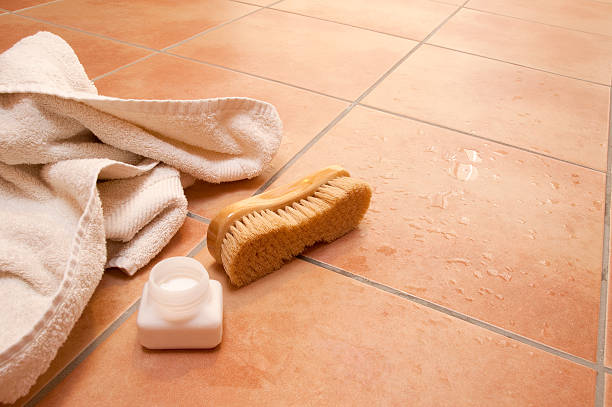
Tile floor sweating — also called sweating slab syndrome — happens when warm, humid air meets a cooler tile surface and moisture condenses on top. It looks like your floor is wet, but there's no leak involved. It's the same physics as a cold glass of lemonade beading up on a hot day. The fix comes down to controlling humidity, improving airflow, and in some cases, treating the tile surface itself.
Whether it's happening in your basement, bathroom, or entryway, this guide walks you through everything: the science behind it, the tools you'll need, step-by-step solutions, and the mistakes most people make that drag the problem out longer than it needs to be.
Contents
Tile is a dense, non-porous material that holds cold temperatures well — sometimes too well. When warm, humid air drifts across a tile surface that's significantly cooler, the moisture in that air hits the dew point and condenses into liquid water. According to Wikipedia's entry on dew point, this phenomenon occurs whenever a surface temperature drops below the dew point of the surrounding air. The result: a wet, slippery floor with no obvious source of water.
This isn't a defect in your tile. It's thermodynamics doing exactly what thermodynamics does. The real culprit is the combination of high indoor humidity and a temperature gap between the air and the floor. The bigger that gap, the worse the sweating.
Some rooms are more prone to this than others. Common problem zones include:
If you're also considering swapping out your flooring down the line, check out these waterproof bathroom flooring ideas — some materials are far less prone to this issue than tile.

Now for the part you actually came for. How to stop tile floor sweating boils down to four interconnected steps. You can tackle them one at a time or combine them for faster results.
Before you buy anything or make any changes, figure out what's actually driving the problem. Ask yourself:
Seasonal sweating (mostly summer) points to outdoor humidity infiltrating a cool space. Year-round sweating often signals a ventilation problem or a cold subfloor — especially in basements built on or near grade.
This is the single most impactful fix. Target indoor relative humidity between 30% and 50%. Above 60%, condensation on cool surfaces becomes almost inevitable.
Your options here include:
Still air lets humidity pool near the floor. Keeping air moving disrupts that pocket of moisture before it can condense. Ceiling fans on low speed, oscillating floor fans, or simply opening interior doors to promote cross-ventilation all make a real difference.
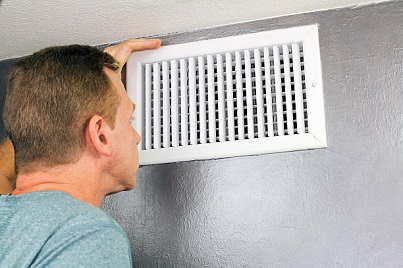
Pro tip: In basements, even a small box fan pointed toward an open window can dramatically reduce humidity buildup near the floor — especially effective during dry evenings when outdoor air is drier than indoor air.
If humidity control alone isn't cutting it, surface treatments give you an extra layer of defense. Anti-slip coatings create a texture that interrupts the water film, reducing slipping even when some condensation remains. Tile sealers reduce the surface's ability to hold cold, marginally raising its temperature relative to the air. Neither replaces humidity control, but both help close the gap.
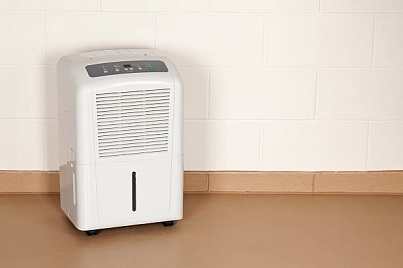
A quality dehumidifier is the backbone of any long-term strategy to stop tile sweating. For a single room under 500 square feet, a 30-pint unit works well. For a large basement or open-plan space, go with a 50-pint or larger unit with a built-in pump so you're not manually emptying the tank every day.
Look for models with a humidistat — it lets you set your target humidity level and the unit cycles on and off automatically. Set it to 45–50% and walk away.
Ventilation is often underrated as a fix. Your toolkit here should include:
For unglazed or natural stone tile, a penetrating sealer helps reduce porosity and can slightly raise the surface temperature by filling in microscopic air pockets that otherwise keep the tile cold. For glazed ceramic or porcelain, an anti-slip coating is more relevant — it adds grip without changing the tile's appearance significantly.
Not every solution works equally well for every situation. Here's a quick breakdown to help you figure out where to put your energy and budget first.
These get results fast but may need ongoing maintenance or aren't total solutions on their own:
| Fix | Approximate Cost | Ease of Setup | Effectiveness |
|---|---|---|---|
| Area rugs / non-slip mats | $10–$80 | Very easy | Moderate (covers problem, doesn't fix it) |
| Portable dehumidifier | $130–$300 | Easy | High |
| Oscillating or ceiling fan | $25–$150 | Easy | Moderate to high |
| Anti-slip coating | $20–$60 | Easy (DIY) | Low (safety only, not condensation) |
These require more investment upfront but address root causes more permanently:
Radiant floor heating, in particular, is one of the most effective permanent fixes. It works by keeping the tile surface warm enough that ambient humidity can't condense on it — solving the problem at the physics level rather than compensating for it.
Consistency is your friend. Wild temperature swings between rooms — or between indoor and outdoor air — make sweating worse. A few habits that help:
Your cleaning habits can either contribute to or reduce tile sweating. Over-mopping leaves residual moisture that compounds the problem. Using the right amount of water — and drying the floor promptly after cleaning — keeps things under control. For a solid routine, common home cleaning mistakes and how to avoid them is worth a read; many of the pitfalls there apply directly to tile care.
Also consider your cleaning products. Some floor cleaners leave behind a film that makes condensation more visible and floors slippier when wet. Stick to pH-neutral, tile-safe formulas and rinse thoroughly.
If you're doing a deeper seasonal refresh, these spring cleaning tips can help you build a systematic approach that tackles tile sweating as part of a broader home reset.
The biggest mistake homeowners make is treating tile sweating as a surface-level annoyance rather than a symptom of a humidity and airflow problem. Throwing down a rug and calling it done means the moisture is still there — you've just hidden it. Underneath, you could be setting up conditions for mold growth in grout lines or under the tile itself. That becomes a much more expensive problem than a dehumidifier.
Don't just dry the floor — address why it's getting wet in the first place.
A few common product errors make tile sweating worse or more dangerous:
If you've got adjacent hardwood or laminate areas and you're used to different care routines, how to clean linoleum floors offers a useful comparison of surface-specific techniques that can inform your tile care approach too.
These are high-humidity zones by nature. Your best defenses here are mechanical ventilation (exhaust fans during and for 15–20 minutes after steam-generating activities) and keeping shower doors or curtains closed during showers to contain steam. In kitchens, use your range hood every time you cook — even for quick boils.
For bathrooms specifically, a small dedicated dehumidifier keeps background humidity from creeping up between showers. Pair it with a hygrometer (a cheap one works fine) so you can actually see whether your efforts are moving the needle.
These spaces need the most attention. Basements sit below grade, surrounded by soil that stays cool year-round. That cold seeps up through the slab into the tile, creating a near-permanent condensation risk during warm months. Your playbook here:
Garages are similar but often overlooked because they're not living space. If you're using your garage as a workshop or gym, the sweating tile creates real slip hazards — especially if you're bringing vehicles in. A heavy-duty dehumidifier and proper door seals are the most practical fixes here.
In living areas, tile sweating is less common but happens in homes with poor insulation or in very humid climates. Here, the solution is usually a combination of proper HVAC operation and strategic area rug placement. Rugs don't fix the sweating, but they raise the surface temperature of the area they cover slightly and provide traction if condensation does form.
Hallways connecting conditioned and unconditioned spaces (like a main house to an attached garage) are particularly prone to sweating in transitional seasons. Keeping those doors closed and adding a threshold seal helps limit the humidity transfer.
Summer brings higher outdoor humidity and warmer air. When that humid air enters a space with a cooler tile floor — especially in basements or rooms with AC running — the temperature difference triggers condensation. The dew point rises with humidity, so summer air doesn't have to get very close to a cool surface before moisture starts forming on it.
It can be. A wet tile floor is a genuine slip hazard, particularly for children and older adults. Beyond safety, persistent moisture in grout lines encourages mold and mildew growth over time. Left unaddressed, it can also contribute to subfloor damage if moisture is seeping through, not just condensing on top.
Sealing helps with unglazed or natural stone tile by reducing porosity. It won't eliminate sweating, but it can reduce the severity and make the surface easier to dry. Anti-slip coatings are more useful for managing the safety risk when condensation does occur. Neither is a substitute for proper humidity control.
Aim to keep indoor relative humidity between 30% and 50%. Once it climbs above 55–60%, the risk of condensation on cool tile surfaces rises significantly. A basic hygrometer lets you monitor levels in real time so you can respond before sweating becomes a problem.
Area rugs don't prevent sweating — they cover it. They do provide traction and slightly insulate the covered tile area, which can reduce how much moisture accumulates there. But the underlying humidity problem remains. Think of rugs as a safety measure while you work on the actual fix, not a replacement for it.
The easiest test is the plastic sheet method: tape a piece of plastic wrap flat against the tile, seal all four edges, and leave it for 24–48 hours. If moisture appears on top of the plastic, it's condensation from the air. If moisture appears underneath, between the plastic and the tile, you've got moisture coming up from below — which points to a subfloor or plumbing issue.
A microfiber mop or dry towels work fastest for immediate cleanup. Follow up by running a dehumidifier and a fan together to accelerate drying and bring humidity down. Don't leave the floor wet — condensation on tile evaporates slowly without airflow, and a damp floor stays slippery and cool longer than it needs to.
Tile floor sweating is one of those problems that seems mysterious until you understand the physics — and once you do, the path forward is clear. Start with a dehumidifier and better ventilation, add surface treatments or radiant heating if needed, and build habits that keep humidity in check over time. Pick up an inexpensive hygrometer today, check your current indoor humidity, and use that number to decide where to start — it's the fastest way to turn this from an ongoing frustration into a solved problem.
 |
 |
 |
 |

About Liz Gonzales
Liz Gonzales grew up surrounded by art and design in a New York suburb, with both parents teaching studio arts at the State University of New York. That environment sharpened her eye for aesthetics and spatial detail — skills she now applies to evaluating home products where form and function both matter. She has spent the past several years writing about lighting, home decor accessories, and outdoor living gear, with a particular focus on how products perform in real residential settings rather than showrooms. At Linea, she covers lighting fixtures and bulb reviews, outdoor and patio gear, and general home product comparisons.
You can Get FREE Gifts. Furthermore, Free Items here. Disable Ad Blocker to receive them all.
Once done, hit anything below
|
|
|
|