
Dogs and cats shed an estimated 50 to 200 milligrams of fur and dander every single day — and with pets living in more than half of U.S. households, the volume adds up faster than most people expect. Knowing how to remove pet hair from home effectively is one of the most practical skills any pet owner can develop. Hair doesn't just rest on the surface; it works its way into carpet fibers, clings to upholstery with a static grip, and floats through the air before settling on shelves, bedding, and countertops. This guide, part of Linea's home cleaning coverage, walks through every major surface and tool so you can stop reacting and start staying ahead of the fur.

You might already be vacuuming regularly and still feel like the fur is winning. That's a common experience — not a sign of failure. The challenge is that pet hair requires a multi-surface, multi-tool approach. A single gadget or method won't solve everything on its own. The strategies here are practical, mostly low-cost, and work whether you have hardwood floors, wall-to-wall carpet, or a combination of both.
Before diving into the methods, it's worth addressing some widely repeated advice that doesn't hold up in practice. Some of the most common pet hair tips miss the mark entirely, while some genuinely effective tools get overlooked. Starting with what's true makes everything else work better.
Contents
There's no shortage of pet hair removal advice floating around, and a good portion of it sounds reasonable but doesn't match real-world results. Sorting out what actually works from what just circulates because it's been repeated enough is the first step toward a genuinely effective approach.
Vacuuming is essential — nobody's arguing against it. But relying exclusively on your vacuum to handle all pet hair is one of the most common missteps. Standard suction pulls loose hair off the top of carpet, but it often can't reach the hair that's worked its way down into the base of the pile. That's where a rubber-bristled carpet brush or squeegee becomes more effective than suction alone.
There's also the airborne problem. Pet dander and fine hair particles can pass right through the exhaust of vacuums without a sealed HEPA filter and get redistributed around the room. If you're not using a vacuum with true HEPA filtration, you may be stirring up more than you're collecting. Choosing between corded and cordless models also makes a practical difference for pet homes — read through this comparison of corded vs. cordless vacuums if you're deciding which type fits your routine best.
Yes — with one important caveat. Air purifiers with HEPA filtration capture airborne pet dander and fine hair particles that your vacuum simply can't reach. They're genuinely useful, especially if anyone in your household has pet allergies, because they address the floating particles rather than just the settled ones.
Where people go wrong is expecting an air purifier to replace surface cleaning. It won't pull hair off your sofa or out of your carpet. Think of it as one layer in a layered system, not a standalone solution. Used alongside regular vacuuming and surface cleaning, it makes a real difference in air quality.
Pro tip: Run your air purifier on a higher setting for 30 minutes after vacuuming — vacuuming stirs up settled dander, and the purifier will catch what floats up before it resettles.
Different surfaces hold onto pet hair in fundamentally different ways. What works on hardwood will do almost nothing on a plush sofa, and what clears a couch cushion fast may be the wrong tool for carpet. Matching your approach to the surface makes a bigger difference than the specific brand or product you use.
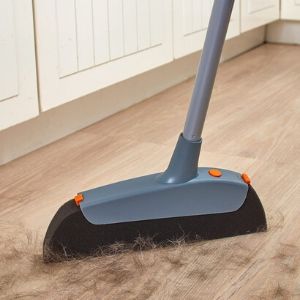
Hard floors are actually the easiest surfaces to clear of pet hair — but only when you use the right first tool. The temptation is to reach for a traditional bristle broom, but bristle brooms scatter hair into the air and push it toward corners rather than collecting it. A microfiber dust mop or electrostatic dry mop attracts hair toward itself instead of redistributing it.
For hardwood floors specifically, regular cleaning also protects the surface finish over time. If you're dealing with embedded grime alongside hair, our guide on how to clean hardwood floors walks through the full process without risking damage to the finish. For linoleum, the approach is similar but the material responds differently to certain cleaners — how to clean linoleum floors covers the specifics. If you're still weighing flooring options for a room where a pet spends a lot of time, the carpet vs. laminate comparison addresses pet hair as one of the most practical real-world differences between the two.
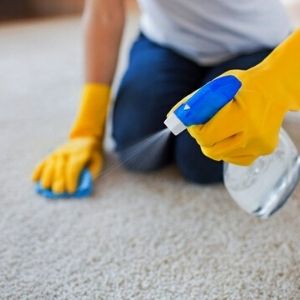
Carpet is where pet hair truly digs in. Individual carpet fibers grip each strand, and standard vacuuming only removes what's sitting on the surface — not what's embedded deeper in the pile. Getting to the deeper hair requires an extra step before you vacuum.
For periodic deep cleaning, a Bissell or similar carpet cleaner does a thorough job of extracting hair and dander that accumulates at the base of the pile. If you want a cost-effective alternative to commercial cleaning solutions, this homemade carpet cleaning solution for Bissell machines is one many pet owners rely on for regular maintenance without the recurring cost of store-bought products.
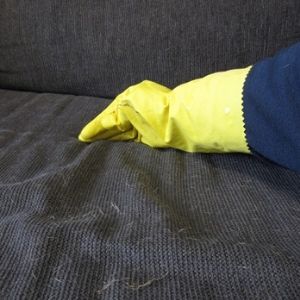
Sofas, armchairs, and fabric headboards are magnets for pet hair. The static charge in most upholstery fabrics actively holds individual hairs in place. Several tools work well here, and the best choice depends on how deeply the hair has embedded:
If you're shopping for new furniture and pets are a factor, tightly woven fabrics and leather release hair far more easily than microfiber, velvet, or bouclé. That difference in day-to-day maintenance is meaningful if you live with a heavy shedder.
Warning: Avoid applying water directly to upholstery unless you know the fabric type — some materials water-stain easily, and damp fabric holds pet hair more stubbornly than dry fabric does.
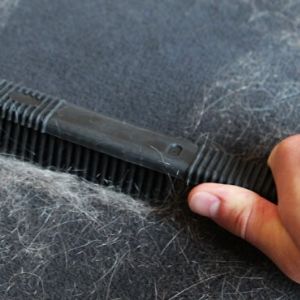
Pet hair behaves differently on clothing than on soft furnishings. It clings to wool and fleece differently than it does to cotton or linen, and the washing machine alone won't clear it. A few targeted steps make a significant difference:
The market for pet hair removal products is crowded, and not everything is worth the money. The table below gives you an honest side-by-side comparison of the most practical options across surface type, cost, and reusability — so you can make informed decisions rather than buying based on marketing claims.
| Tool | Best Surface | Approximate Cost | Effort Required | Reusable |
|---|---|---|---|---|
| Rubber dishwashing gloves | Upholstery, carpet, clothes | $2–5 | Low–Medium | Yes |
| Lint roller | Clothes, flat fabrics | $3–8 | Very low | No (refillable) |
| Rubber squeegee / carpet rake | Carpet, area rugs | $10–20 | Medium | Yes |
| Microfiber dust mop | Hard floors | $15–30 | Low | Yes |
| Upholstery vacuum attachment | Furniture, stairs | $10–25 | Low | Yes |
| Full-size vacuum with HEPA filter | All surfaces | $100–500+ | Medium | Yes |
| Robot vacuum | Hard floors, low-pile carpet | $200–800+ | Very low | Yes |
| Reusable pet hair remover brush | Upholstery, clothes | $8–15 | Low | Yes |
Manual tools are inexpensive, require no electricity, and work on almost any surface. They're especially useful for targeted spot cleaning between full vacuuming sessions. The rubber glove is arguably the most underestimated item on the list — it outperforms lint rollers on most upholstered surfaces at a fraction of the cost. A squeegee or rubber carpet rake, meanwhile, does work on carpet pile that vacuums genuinely can't reach on their own.
A good vacuum remains the cornerstone of any pet hair routine. The features worth prioritizing are sealed HEPA filtration, strong suction across multiple floor types, and a motorized brush roll that can handle carpet. Handheld vacuums are convenient for spot cleaning furniture and stairs between full sessions without dragging out the main unit.
If you're considering a Kirby vacuum — which has a long reputation for thorough carpet cleaning — this overview of Kirby vacuum pricing can help you assess whether the investment makes practical sense. For daily use decisions, understanding the trade-offs between corded and cordless vacuums is worth reading before you commit to a purchase.
Some situations call for a fast solution. Guests arriving in 20 minutes, a work outfit covered in fur, a couch you haven't had time to properly vacuum — these quick wins won't substitute for a thorough cleaning, but they'll make a visible difference fast without requiring any special equipment.
Put on a pair of damp rubber dishwashing gloves and run your hand in firm, sweeping strokes across any surface — couch cushions, carpet, car seats, the back of a dining chair. The friction and slight moisture create a static-like effect that pulls hair into a manageable ball you can pick up and discard. It takes under two minutes on a sofa cushion and leaves the surface noticeably cleaner. No purchase required beyond standard kitchen gloves you probably already have.
Before washing pet-hair-covered clothes, put them in the dryer on a low-heat, no-heat, or air-fluff cycle for 10 minutes. The tumbling action loosens hair from the fabric, and it collects in the lint trap instead of sticking through the wash cycle and redistributing. This single step can reduce lint roller time significantly after washing.
One additional quick option worth mentioning: if you want to find hidden pet stains or dander buildup in darker corners of a room, a UV light source reveals organic material invisible under regular light. UV flashlights detect pet stains and biological residue that standard lighting misses — useful for checking under furniture or in areas where your pet spends time out of sight.
Quick fixes are valuable, but the only way to genuinely stay ahead of pet hair is to build a consistent routine and address the source — your pet's shedding — before the hair spreads everywhere. The two highest-leverage changes you can make are both simpler than most people expect.
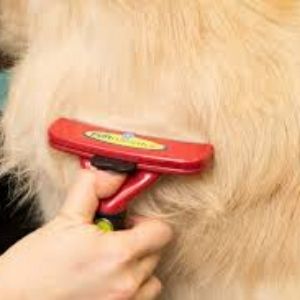
Regular grooming is where most pet owners leave the most potential impact untapped. Brushing your pet removes loose hair from the coat before it sheds onto your floors and furniture. For heavy shedders, daily brushing makes a measurable difference in how much hair you're picking up off surfaces each week.
Breed and coat type matter here too. Double-coated dogs like Huskies and German Shepherds shed heavily during seasonal coat blows, requiring more intensive grooming during those periods. Short-haired cats like Siamese shed year-round in smaller, more consistent amounts. Knowing your pet's natural shedding pattern helps you plan grooming sessions around the calendar rather than reacting to visible buildup.
If you're replacing furniture or adding new items to your home, the fabric choice has real long-term consequences for how much time you spend removing pet hair. Some materials hold hair in a near-permanent grip; others release it with a single pass of a lint roller.
Beyond furniture itself, consider keeping dedicated washable throws or blankets on your pet's preferred spots on the sofa or armchair. Washing those weekly localizes hair to a few removable items instead of letting it disperse across the entire couch. It's a small habit that makes a surprisingly large difference in how often you need to deep-clean the furniture itself.
A rubber squeegee or rubber-bristled carpet rake is often more effective than a vacuum alone for deeply embedded hair. Use it before vacuuming to loosen hair from the pile, then vacuum to collect what's been dislodged. Combining these two steps removes significantly more hair than either method on its own.
For most pet households, two to three times per week is a reasonable starting point. If you have a heavy shedder or someone in the home has pet allergies, daily vacuuming in high-traffic areas — especially where your pet sleeps — makes a meaningful difference. Robot vacuums can help fill in daily maintenance between full manual sessions.
Water temperature has little effect on hair removal in the wash — what removes hair is the agitation and rinse cycle. Running pet bedding through a 10-minute dryer cycle before washing is more effective than changing the water temperature, because it loosens hair into the lint trap before the fabric even gets wet.
Absolutely. Rubber dishwashing gloves, a basic squeegee, and a microfiber dust mop cover most surfaces at a combined cost under $25. Add a mid-range vacuum with HEPA filtration and you have a complete system. Expensive robot vacuums and specialized gadgets are convenient additions, but they're not requirements for an effective routine.
Winning the battle against pet hair isn't about finding the perfect gadget — it's about building small, consistent habits that address the problem before it takes over every surface in your home.
 |
 |
 |
 |

About Liz Gonzales
Liz Gonzales grew up surrounded by art and design in a New York suburb, with both parents teaching studio arts at the State University of New York. That environment sharpened her eye for aesthetics and spatial detail — skills she now applies to evaluating home products where form and function both matter. She has spent the past several years writing about lighting, home decor accessories, and outdoor living gear, with a particular focus on how products perform in real residential settings rather than showrooms. At Linea, she covers lighting fixtures and bulb reviews, outdoor and patio gear, and general home product comparisons.
You can Get FREE Gifts. Furthermore, Free Items here. Disable Ad Blocker to receive them all.
Once done, hit anything below
|
|
|
|