
Nearly 54 percent of homeowners say they regret their bedroom flooring choice within the first three years, according to a national remodeling survey. If you are weighing carpet vs laminate flooring bedroom options right now, that number should grab your attention. Your bedroom floor affects how you sleep, how you clean, and how much you spend over the life of your home. Whether you are renovating a master suite or updating a guest room, understanding the real differences between these two materials will save you money, time, and headaches. If you already own a vacuum, you know that keeping floors clean is half the battle — but picking the right surface in the first place matters even more.

Both carpet and laminate have loyal fans, and neither material is objectively better. The right pick depends on your budget, your lifestyle, and how much maintenance you are willing to handle each week. Some people love the warmth of carpet underfoot on a cold morning. Others prefer the clean look and easy wipe-down of laminate. This guide breaks down costs, installation steps, common problems, and real scenarios so you can make a confident decision.
By the end, you will know exactly which flooring suits your bedroom — and you will understand why the answer is different for almost everyone.
Contents
Price is usually the first question people ask, and the answer is not as simple as picking the cheaper option. Carpet vs laminate flooring bedroom costs depend on the grade of material, your room size, and whether you hire a pro or do it yourself.
Here is a side-by-side breakdown of what you can expect to pay for a typical 12-by-14-foot bedroom (168 square feet).
| Cost Category | Carpet (Mid-Grade) | Laminate (Mid-Grade) |
|---|---|---|
| Material per sq ft | $2.50 – $4.00 | $1.50 – $3.50 |
| Padding / Underlayment | $0.50 – $1.00 | $0.30 – $0.75 |
| Professional Installation | $1.00 – $2.00 | $1.50 – $3.00 |
| Total (168 sq ft room) | $672 – $1,176 | $554 – $1,218 |
| Average Lifespan | 8 – 12 years | 15 – 25 years |
| Cost Per Year (midpoint) | ~$92 | ~$44 |
Upfront, the two materials land in a similar range. But look at that last row. Laminate costs roughly half as much per year because it lasts so much longer. If you plan to stay in your home for a decade or more, laminate tends to win the long game.
Carpet needs professional deep cleaning at least once a year, which runs $120 to $250 per session. You can reduce that with a good vacuum and a homemade carpet cleaning solution, but you cannot eliminate it entirely. Laminate does not need professional cleaning, though you may need to replace individual planks if they get water damage. Removal costs at end of life also differ — ripping out old carpet is cheaper and faster than pulling up glued-down laminate.
The flooring aisle at a home improvement store can be overwhelming. These tips will help you narrow things down before you spend a dime.
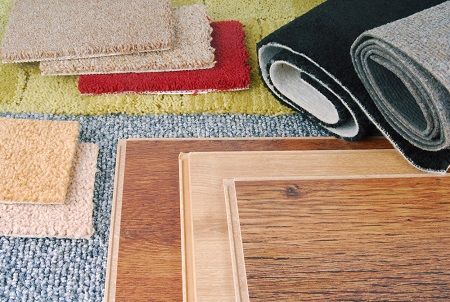
Always bring samples home. Flooring looks completely different under store lighting than it does in your bedroom. Lay carpet swatches and laminate planks on your actual subfloor and check them at different times of day. Morning light and evening lamplight change the color more than you would expect. If you are particular about your bedroom lighting, you might also want to read about the best color temperature for reading — the same warm-cool balance that affects your reading light affects how your floor looks at night.
Cheap underlayment is the fastest way to ruin a good floor. For carpet, a thicker pad (at least 7/16 inch for bedrooms) adds comfort and extends the carpet life by absorbing foot traffic impact. For laminate, a quality underlayment with a moisture barrier prevents the most common failure — warping from humidity that seeps up through the subfloor. Spend an extra $0.20 to $0.40 per square foot on underlayment. You will not regret it.
One more thing: if your bedroom is on a second floor, underlayment with sound-dampening properties makes a noticeable difference. Laminate without it sounds hollow and loud underfoot, which can be annoying if someone sleeps in the room below.
Good preparation is what separates a floor that lasts from one that fails early. Whether you choose carpet or laminate for your bedroom, these steps apply.
Start by clearing the room completely. Remove all furniture, baseboards, and the old flooring. Then inspect the subfloor carefully. You are looking for three things: moisture, levelness, and damage.
If you have old ceramic tile underneath and plan to remove it, that is a separate project worth tackling first — check out this guide on how to remove ceramic tiles before you start.
Laminate is one of the most DIY-friendly flooring options available. Most modern laminate uses a click-lock system that snaps together without glue. A motivated beginner can floor a bedroom in a single weekend. Carpet, on the other hand, requires a power stretcher and knee kicker to install properly. Bad carpet installation leads to wrinkles, bumps, and premature wear. Unless you have experience, hiring a carpet installer is worth the $1 to $2 per square foot.
For laminate, the tools you need are basic: a tape measure, a tapping block, a pull bar for the last row, and a miter saw or circular saw for cuts. Watch a few installation videos and you will see it is genuinely straightforward.
This is where the carpet vs laminate flooring bedroom debate gets personal. Your daily life dictates the right answer more than any spec sheet.
Carpet shines in bedrooms where comfort and warmth top the priority list. If you live in a cold climate and hate stepping onto a hard surface in the morning, carpet eliminates that shock. It also absorbs sound, making it ideal for apartments, shared walls, or homes where light sleepers need quiet. Families with toddlers often prefer carpet because it cushions falls. The EPA notes that indoor air quality matters especially in bedrooms, and while carpet can trap dust, regular vacuuming keeps allergen levels manageable.
Carpet also works well in bedrooms that double as play areas or meditation spaces. The soft surface is forgiving on joints and creates a cozy, enclosed feeling that many people associate with rest and relaxation.
If anyone in your household has allergies or asthma, laminate is the safer bet. Hard surfaces do not trap pollen, pet dander, or dust mites the way carpet fibers do. A quick pass with a robot vacuum designed for mixed floors keeps laminate spotless with minimal effort. Laminate also wins if you want to change the look of your room frequently. Area rugs on laminate give you the warmth of carpet without the permanence — swap them out whenever your taste changes.
Pet owners tend to prefer laminate as well. Accidents wipe up instantly from a hard surface. On carpet, even a small spill can soak into the pad and create lasting odors. If you have a dog or cat that sleeps in your bedroom, laminate is significantly easier to keep fresh.
No flooring is maintenance-free. Knowing how to handle the most common issues saves you from expensive repairs and early replacement.
Stains are carpet enemy number one. The golden rule is to blot — never rub. Rubbing pushes the spill deeper into the fibers and spreads it wider. For most stains, a mixture of white vinegar, warm water, and a small amount of dish soap works surprisingly well. Apply it with a spray bottle, let it sit for five minutes, then blot with a clean white cloth.
Odors usually come from spills that reached the carpet pad. Surface cleaning will not fix this. You need to pull the carpet back, treat the pad with an enzyme cleaner, and let it dry completely before re-stretching the carpet. Matting happens in high-traffic paths — the area between your bed and bathroom door gets the worst of it. Rotating furniture layout every year or two can distribute wear more evenly.
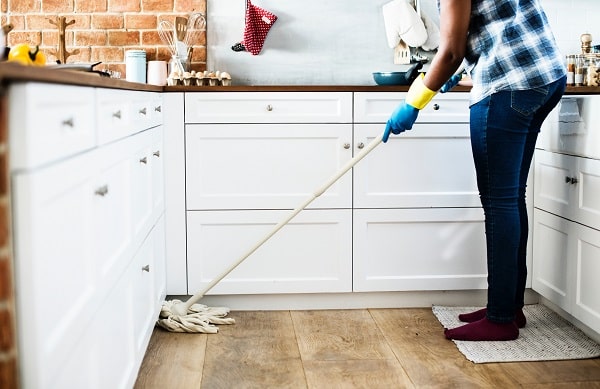
Scratches on laminate come from grit and furniture legs. Place felt pads under every piece of furniture in your bedroom and make a habit of sweeping or vacuuming before mopping. For existing scratches, a laminate repair kit with color-matched putty costs under $10 and hides most surface damage.
Gaps between planks usually mean the laminate was not acclimated before installation. Planks need to sit in the room for at least 48 hours before you lay them. If gaps have already appeared, you can sometimes tap them back together with a rubber mallet and tapping block. Moisture damage — swelling, bubbling, or warping — is trickier. The damaged plank and any adjacent wet ones need to be replaced. This is why that moisture barrier underlayment is so important.
Theory is useful, but seeing how other people made this decision brings everything together.
Sarah and Marcus have two kids under five and a golden retriever. Their old bedroom carpet was stained, matted, and smelled like dog no matter how often they cleaned it. They switched to mid-grade laminate with a thick underlayment and added a washable 8-by-10 area rug under the bed. Total cost was about $950 including the rug. The rug gives them the soft landing they wanted for early morning steps, and when the dog had an accident on the hard floor last month, cleanup took two minutes. They vacuum the whole room in under five minutes now, and Marcus says the bedroom finally feels fresh instead of musty.
David owns a three-bedroom rental in the Midwest. Tenants cycle every two to three years. He replaced laminate in the bedrooms with mid-grade carpet after his last tenant complained about cold floors and noise. The carpet cost less upfront and made the unit more appealing to families. Between tenants, David budgets for professional carpet cleaning — about $150 per turnover. He figures the carpet will need full replacement every eight to ten years, but the higher occupancy rate and fewer noise complaints make the trade-off worthwhile. For landlords in warmer climates where tenants care less about warmth, he says laminate is the smarter financial play.
Both stories illustrate the same point: the best flooring matches the life happening on top of it, not a generic recommendation from a showroom. Think about your daily routine, your biggest annoyances with your current floor, and how long you plan to keep the new surface. That framework will guide you to the right choice faster than any product comparison chart.
Laminate is generally better for allergy sufferers. Hard flooring does not trap dust mites, pet dander, or pollen the way carpet fibers do. A simple vacuum-and-mop routine keeps allergens at bay. If you still want carpet, choose a low-pile option and vacuum at least twice a week with a HEPA filter vacuum to minimize buildup.
Technically it is possible with very thin, low-pile carpet, but it is not recommended. Carpet underneath creates an unstable surface that causes the click-lock joints to flex and eventually fail. The locking system needs a firm, flat base. Remove the old carpet, inspect the subfloor, and lay proper underlayment before installing laminate for the best results.
Bedroom carpet typically lasts 8 to 12 years with normal use, though heavy foot traffic or pets can shorten that to 5 to 7 years. Mid-grade laminate lasts 15 to 25 years in a bedroom setting because bedrooms see less traffic than hallways or living rooms. When you factor in the lifespan difference, laminate often costs less over time even if the upfront price is similar.
Your bedroom floor is not about picking the best material — it is about picking the best material for the life you actually live in that room.
 |
 |
 |
 |

About Linea Lorenzo
Linea Lorenzo has spent over a decade testing home gadgets, cleaning products, and consumer electronics from his base in Sacramento, California. What started as a personal obsession with keeping his space clean and stocked with the right tools evolved into a full-time writing career covering the home products space. He has hands-on experience with hundreds of cleaning solutions, robotic and cordless vacuums, and everyday household gadgets — evaluating them for performance, value, and real-world usability rather than spec sheet appeal. At Linea, he covers home cleaning guides, general how-to tutorials, and practical product advice for everyday home care.
You can Get FREE Gifts. Furthermore, Free Items here. Disable Ad Blocker to receive them all.
Once done, hit anything below
|
|
|
|