
To clean a vacuum cleaner, start by emptying the dustbin or replacing the bag, then wash or replace the filter, cut and remove hair from the brush roll, and wipe down the body, hose, and attachments. That's the core of it. If you want to build this into a broader home routine, our home cleaning guides are a good place to start.
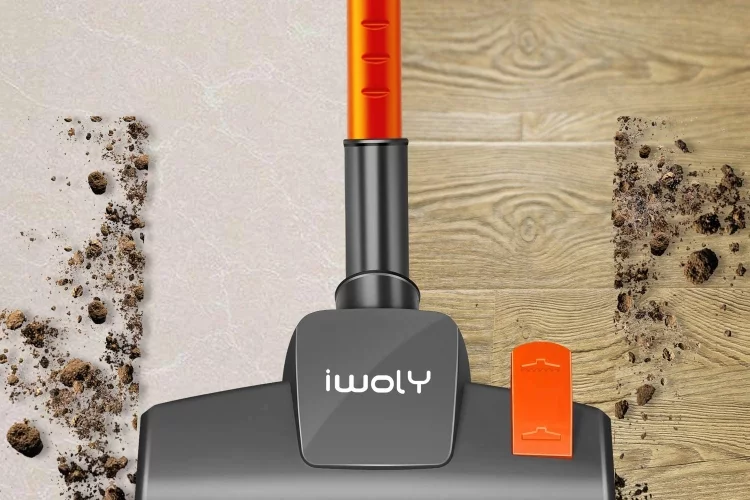
A vacuum that hasn't been cleaned in months is quietly working against you. Clogged filters choke airflow. A brush roll buried in pet hair barely spins. And a packed dustbin can push fine particles back into the air while you're actively trying to clean. Knowing how to clean a vacuum cleaner properly takes less than 30 minutes and makes a real difference in both performance and air quality inside your home.
The process is mostly the same regardless of the model you own. Parts are in different places, but the goal never changes — clear airflow, clean filters, and a brush roll that can actually do its job. Before you get started, it helps to know what type of machine you're working with. Our breakdown of different types of vacuum cleaners can help you identify yours and find the right cleaning approach for your specific model.
Contents
Every time you run your vacuum, it pulls in dust, pet hair, fine debris, and microscopic particles. That material has to go somewhere. Some of it lands in the dustbin or bag. But a significant amount coats the filter, wraps around the brush roll, and settles inside the hose and body. Over time, this buildup restricts airflow — and restricted airflow is the number one reason vacuums lose suction before their time.
There's also a health angle that's easy to overlook. According to the EPA's indoor air quality resources, household dust can contain allergens, mold spores, and fine particles that irritate the respiratory system. A dirty vacuum doesn't just clean poorly — it can actively recirculate those particles. If anyone in your home deals with allergies or asthma, this matters a lot. Our guide on the best vacuums for allergy sufferers explores which machines handle this best and how filter quality plays into it.
Pro tip: If your allergies seem worse after vacuuming, a dirty or damaged filter is almost always the culprit — check it before anything else.
Pet owners tend to hit this problem faster than most households. Dog and cat hair wraps around the brush roll in a matter of weeks, especially with heavy-shedding breeds. If you have a high-shedding dog, you may need to clear the brush roll every few uses rather than monthly. Our piece on the best vacuums for husky hair covers what to look for in machines designed for serious pet shedding — and how to keep them maintained over time.
There's no single universal schedule, but here's a reasonable baseline for most households:
Homes with multiple pets, young kids, or high foot traffic will need to move faster than these minimums. A household that vacuums daily will wear through filters and brush rolls noticeably faster than one that vacuums once a week.
You don't always have to follow a calendar. Your vacuum will usually show you when something is off. Watch for these warning signs:
Any of these signals means it's time for a cleaning — don't wait for your next scheduled date. A quick session now is much easier than diagnosing a more serious problem later.
The honest answer is that basic vacuum maintenance costs almost nothing. Warm water, mild soap, scissors, and a stiff brush cover most of the job. The only real costs show up when parts need replacing — and that varies significantly depending on your brand and model.
If you're weighing long-term maintenance between cordless models, our comparison of the Dyson V7 vs V8 covers not just performance differences but also how the filter and brush systems compare — which directly affects what you'll spend on upkeep over time.
The vast majority of vacuum maintenance is completely DIY-friendly. Emptying the dustbin, washing a filter, cutting hair off a brush roll, and clearing a hose blockage are all tasks you can handle at home with no special skills. Professional servicing is worth considering only when the motor sounds wrong, the machine won't turn on, or a component is broken that you can't swap out yourself.
Repair shops typically charge between $40 and $100 for a standard service visit. For budget vacuums that cost under $100 new, that math often doesn't work in your favor. For a higher-end machine — a premium cordless or a quality canister model — professional servicing every couple of years can meaningfully extend its lifespan and is usually worth the cost.
| Part | Replacement Frequency | Estimated Cost | DIY Friendly? |
|---|---|---|---|
| HEPA filter | Every 6–12 months | $10–$35 | Yes |
| Foam/felt pre-filter | Every 3–6 months | $5–$15 | Yes |
| Vacuum bag (bagged models) | Every 1–2 months | $8–$25 per pack | Yes |
| Brush roll | Every 1–2 years | $15–$60 | Yes |
| Drive belt | Every 1–2 years | $5–$20 | Yes |
| Hose | When cracked or clogged | $15–$50 | Usually |
| Professional service visit | Every 2–3 years | $40–$100 | No |
One practical tip: keep a spare filter on hand. When you wash a filter, it needs a full 24 hours to dry. Having a second one means your vacuum doesn't sit idle all day — you reinstall the backup while the clean one dries, then rotate next time.
There's a lot of conflicting advice online about how to care for a vacuum. Some of it is outdated. Some of it is simply wrong. Sorting through the noise can save you time, money, and a broken machine. It's the same kind of problem our guide on common home cleaning mistakes tackles for other areas of the house — good intentions, bad habits.
Robot vacuums and some cordless models advertise self-emptying bases and self-cleaning brush rolls. These features are genuinely useful — but they don't mean the machine takes care of itself. The self-emptying base still fills up and needs to be emptied periodically. The self-cleaning brush roll reduces hair tangles but doesn't touch the filter, hose, or body of the machine.
It seems logical that maximum suction would always mean better cleaning. In practice, running your vacuum at full power on area rugs or bare hardwood floors can damage surface fibers and put unnecessary strain on the motor. High suction also means the motor works harder — and a motor that runs harder, wears faster.
Most modern vacuums include adjustable suction for a reason. Lower settings work well on rugs and bare floors; save the high setting for thick carpet or debris-heavy areas. Your machine will last longer, and your floors will hold up better too.
Warning: Never run your vacuum at maximum suction with a full dustbin or bag — debris backs up toward the motor and can cause permanent damage over time.
The process below applies to most standard upright and canister models. Stick vacuums and robot vacs follow the same principles, but parts are smaller and located differently — your manual will show you the exact layout. This also fits naturally into a bigger seasonal reset; our spring cleaning guide walks through how to pair this with a full home refresh.
Lay all removable parts on a clean towel before you start. This keeps everything visible, prevents small screws from rolling away, and gives you a clear space to work.
The filter is the most important part of this whole process. A clogged filter restricts airflow through the entire machine, and no amount of cleaning elsewhere will fix that. Here's how to handle it:
A note on HEPA filters: HEPA stands for High Efficiency Particulate Air. These filters trap particles as small as 0.3 microns, including dust mites, mold spores, and pet dander. Many HEPA filters are not washable and must be replaced, not rinsed. Look for "washable HEPA" on the packaging — if it doesn't say that, replace it.
The brush roll collects hair faster than any other part of the machine. Left uncleared, it can jam entirely. Here's the process:
For the hose, shine a flashlight through one end to check for blockages. If something is stuck, carefully straighten a wire hanger and push the clog through from the nearest end. If your hose detaches fully, rinse it with warm water, shake out the excess, and hang it vertically for a few hours to drain and dry.
Once everything is fully dry, reassemble in reverse order. Run the vacuum on a test patch of carpet or floor — you should notice a clear improvement in suction almost immediately. If your machine still gives off an unpleasant smell after a full cleaning, our detailed guide on how to remove odor from a vacuum cleaner covers targeted solutions including baking soda treatments, filter replacements, and vinegar soaks for the hose.
Sometimes you finish a full cleaning and the problem isn't fully resolved. That's frustrating — but it usually means one specific part wasn't addressed, or there's a secondary issue that the cleaning uncovered. Here are the three most common problems and how to approach each one.
If the smell lingers after you've cleaned the filter and emptied the bin, the source is most likely one of these:
If suction is still weak after cleaning the filter and clearing the brush roll, the most likely culprit is a blockage somewhere you didn't check. Look carefully at:
If none of those fix it, the issue is likely internal — a motor seal, a cracked internal duct, or worn motor brushes. At that point, a professional service visit is worth considering, especially if the machine is a higher-end model.
If the brush roll jams or stops spinning again shortly after cleaning, the drive belt is the most likely cause. The belt connects the motor to the brush roll and stretches and wears over time. When it's worn, the brush roll slips, stutters, or stops entirely. Most replacement belts cost under $15 and can be swapped at home with basic tools — check your model's manual or the manufacturer's site for the right part number.
It's also worth inspecting the brush roll itself for bent or broken bristles. A physically damaged brush roll can't maintain proper contact with the floor surface and will keep stalling regardless of how clean the belt is. In that case, replacing the brush roll is the more reliable fix.
Empty the dustbin after every use, and aim to clean the filter every one to three months depending on how frequently you vacuum. Check the brush roll monthly and clear it whenever you see significant hair or thread buildup. Households with pets or high foot traffic will need to clean all parts more often than the standard minimums.
Most washable filters should be rinsed with cold water only — no soap. Soap can leave residue that clogs the filter material and reduces airflow over time. Always check your vacuum's manual before washing any filter. Some HEPA filters are not washable at all and must be replaced rather than rinsed.
A washed vacuum filter needs at least 24 hours of air drying before you reinstall it. Putting a damp filter back into the machine can cause mold growth inside the vacuum body and may damage the motor. If you need to use your vacuum the same day, keep a spare filter on hand and rotate between the two.
Persistent odors after cleaning usually point to pet dander embedded in the brush roll bristles, mold inside the hose, or absorbed smells in the dustbin. Try washing the dustbin with dish soap and soaking a detachable hose in equal parts water and white vinegar for 20 minutes. Our guide on removing vacuum odor covers each source in detail with targeted solutions.
No. Running a vacuum without a filter allows fine dust, allergens, and microscopic particles to pass straight through the motor and get expelled back into your air. Over time, this also damages the motor. Always keep a functional filter installed — even an older filter that's past its prime is better than running the machine with nothing in place.
Use scissors to cut through the wrapped hair in one long line down the length of the brush roll, then peel the cut sections off by hand. A seam ripper works well too and gives you more control in tight spaces. After removing the bulk of the hair, scrub the remaining debris from the bristles with a stiff brush or old toothbrush before reinstalling.
If the motor makes a grinding or rattling noise, the machine won't power on at all, or suction doesn't improve after a full cleaning and part replacements, replacement may make more sense than repair. For budget vacuums under $100, the cost of professional repair often exceeds the machine's value. For premium models, repair is usually worth pursuing given the higher replacement cost.
Cleaning your vacuum cleaner is one of the lowest-effort maintenance tasks with one of the highest returns — better suction, longer machine life, and cleaner air in your home. Set a monthly reminder to check the brush roll and dustbin, and schedule a full cleaning every three months. If you're ready to take on more of your home, browse our cleaning guides for practical, room-by-room advice you can put to use right away.
 |
 |
 |
 |

About Linea Lorenzo
Linea Lorenzo has spent over a decade testing home gadgets, cleaning products, and consumer electronics from his base in Sacramento, California. What started as a personal obsession with keeping his space clean and stocked with the right tools evolved into a full-time writing career covering the home products space. He has hands-on experience with hundreds of cleaning solutions, robotic and cordless vacuums, and everyday household gadgets — evaluating them for performance, value, and real-world usability rather than spec sheet appeal. At Linea, he covers home cleaning guides, general how-to tutorials, and practical product advice for everyday home care.
You can Get FREE Gifts. Furthermore, Free Items here. Disable Ad Blocker to receive them all.
Once done, hit anything below
|
|
|
|