
Which limescale remover actually works — and which ones leave you scrubbing just as hard as before? If you've stared at chalky white buildup crusting around your faucets, clouding your shower glass, or choking out your showerhead's spray pattern, you already know the frustration. The good news: the right product dissolves that mineral crust fast, without the elbow grease. In this guide, we've tested and evaluated the top options so you can find the one that fits your surfaces, your tolerance for harsh chemicals, and your budget.
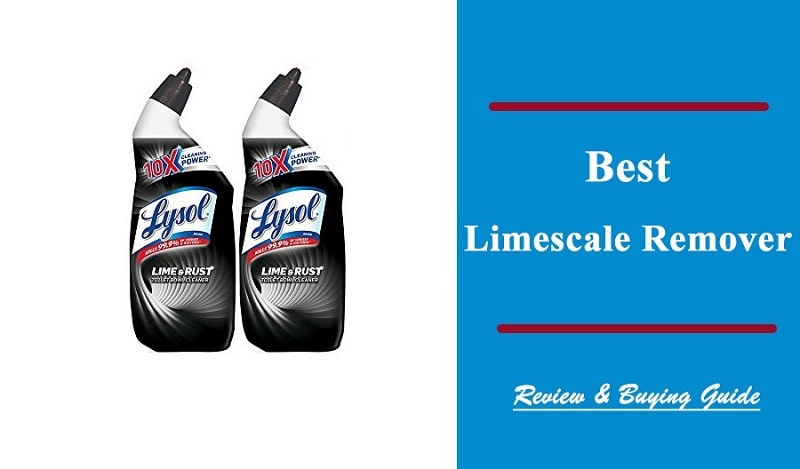
Limescale is calcium carbonate — the residue left behind when hard water evaporates. According to the U.S. Geological Survey, roughly 85% of American homes deal with hard water, making limescale one of the most widespread household cleaning challenges. It builds up on everything: toilet bowls, kettle elements, dishwasher interiors, showerheads, taps, and tiles. Left unchecked, it doesn't just look bad — it degrades appliance efficiency and shortens their lifespan. If you're already doing deep cleaning work around the house, tackling limescale should be high on the list.
The market in 2026 offers a wide range of solutions, from heavy-duty acid-based formulas for industrial-level buildup to gentle plant-based sprays for everyday bathroom maintenance. We've rounded up seven of the most popular and effective options, analyzed their chemistry, tested their performance on real-world buildup, and laid out the honest pros and cons of each. Whether you need something safe for a septic system or powerful enough to blast through years of neglect, there's a product here for you.
Contents




LIME-A-WAY has been a bathroom cabinet staple for decades, and the 2026 formula continues to earn its reputation. The spray-on application makes it incredibly convenient for targeting faucet bases, showerheads, and toilet waterlines without any complicated prep work. You simply spray, let it dwell for a minute or two, and wipe — the calcium and lime deposits break down visibly during the dwell time, which gives you confidence the chemistry is working. On moderate buildup, it clears surfaces in a single application.
Where LIME-A-WAY earns points is its versatility. It transitions seamlessly from bathroom surfaces to kitchen appliances. You can run it through a coffee maker, apply it to a cloudy glass carafe, or drench a clogged showerhead in a plastic bag for an overnight soak. The ready-to-use concentration means no dilution math, which removes a common source of user error. The scent is noticeable but dissipates quickly with ventilation — not a deal-breaker, but worth noting if you're sensitive to chemical smells.
The one consistent limitation is heavy, layered limescale that has built up over months or years. In those cases, LIME-A-WAY works best as a follow-up treatment after an initial pass with something more concentrated. For regular maintenance cleaning — say, once a month — it's hard to beat for convenience and price.
Pros:
Cons:
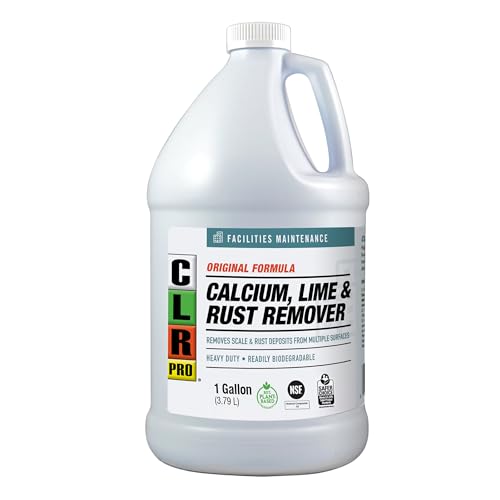
CLR PRO is the industrial sibling of the consumer-grade CLR, and the difference shows immediately. This formula is built for higher-frequency, higher-volume applications — think restaurant kitchens, commercial dishwashers, steam tables, HVAC components, and anywhere mineral deposits accumulate at scale. The concentration level is noticeably stronger than consumer alternatives, which means you'll often achieve the same result with less product and a shorter dwell time. That efficiency is a genuine advantage when you're cleaning multiple units or tackling neglected appliances.
For home users dealing with stubborn limescale in washing machines, coffee makers, or a heavily scaled kettle, CLR PRO offers professional-grade results at a price point accessible to everyday buyers. The formula is also EPA Safer Choice certified, which is a meaningful credential — it signals that the active ingredients have been reviewed for human and environmental safety, not just cleaning performance. That makes it a stronger choice for households that want effective chemistry without maximum toxicity risk.
The trade-off is that CLR PRO's concentration demands careful handling. You should always dilute it as directed for the specific application, wear gloves, and ensure the area is ventilated. It's not the product you grab for a quick spray-and-wipe session on your bathroom mirror. But for deep-cleaning appliances or commercial applications, it punches above the weight of most competitors in this price range.
Pros:
Cons:
ECOVER has built its brand around plant-based, biodegradable cleaning formulas, and the Limescale Remover 500ml is a solid representative of that philosophy. The active cleaning agents are derived from renewable plant sources rather than petroleum-based chemistry, and the fragrance — a mild citrus-herbal blend — is noticeably more pleasant than the sharp acidic smell you get from conventional limescale removers. If you've been avoiding limescale products because of chemical sensitivity or fragrance concerns, ECOVER is the most accessible entry point in this roundup.
Performance-wise, ECOVER handles daily and weekly bathroom maintenance admirably. Taps, basins, shower tiles, and soap scum deposits respond well with a two-to-five minute dwell and a light wipe-down. The plant-based formula is gentle enough for regular use without worrying about long-term surface degradation on chrome fittings or ceramic tiles. Where it underperforms relative to harsher competitors is on calcified buildup that has had six or more months to harden — it will need multiple applications or a longer soak to achieve what CLR PRO or HG Blue handles in a single pass.
For environmentally conscious households or those with young children and pets who spend time in the bathroom, ECOVER's safety profile is a real differentiator. It's also worth noting that ECOVER is certified by independent eco-labels, making its environmental claims more substantiated than many brands that simply use "green" as a marketing term. If your limescale problem is moderate and you care about what goes down the drain, this is the product to reach for.
Pros:
Cons:
Viakal has a devoted following in European markets — particularly in the UK — and for good reason. The formula doesn't just dissolve limescale; it leaves behind a protective barrier that slows future buildup. That preventive quality is genuinely useful if you live in a hard water area and find yourself re-cleaning the same faucets every few weeks. After a Viakal application, surfaces stay cleaner for longer, and when limescale does begin to return, it comes off more easily on the next pass.
The spray bottle delivers a controlled, clinging mist that clings well to vertical surfaces like shower doors and tiled walls — a practical advantage over thinner solutions that run off before they have time to work. The results on chrome fittings and glass shower panels are particularly impressive, restoring the kind of mirror-like shine that makes a bathroom look genuinely clean rather than just "less dirty." For kitchen surfaces like stainless steel sinks and kettle exteriors, it performs similarly well.
One practical note: Viakal's formula is phosphoric acid-based, which gives it strong limescale-dissolving power but means you should use it on compatible surfaces only. Natural stone such as marble or granite is a no-go, and you'll want to rinse thoroughly before the treated surface contacts food preparation areas. Within its intended use cases, though, Viakal is one of the more satisfying products to use in this category — the shine payoff is immediate and motivating.
Pros:
Cons:
Durgol comes from Switzerland and has a strong reputation in the European market for descaling high-end espresso machines, kettles, and small kitchen appliances. The "Universal" version in this 25.4 oz size is formulated for a wide range of household items — anything with a heating element that comes into contact with hard water is a candidate. The formula is specifically engineered to be safe to run through appliance water circuits, which is a meaningful distinction from general-purpose acid cleaners that may damage seals or internal components.
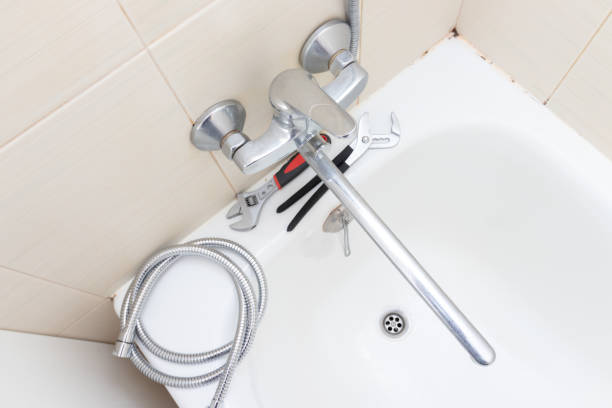
In practice, Durgol Universal excels at the kind of appliance descaling that other products in this roundup aren't really designed for. Running it through a coffee maker or humidifier removes calcium deposits from internal tubing and heating elements — the kind of buildup you can't reach with a spray bottle. The professional-grade formula breaks down stubborn scale quickly, typically within a 20-30 minute cycle depending on the appliance and severity of buildup. It's the product we'd recommend most confidently for someone whose coffee maker has started running slow or whose kettle has visible white flakes in the water.
The value per use is reasonable given the concentration level, but Durgol is priced at a premium compared to consumer brands like LIME-A-WAY or Zep. You're paying for appliance-safe chemistry and a Swiss-engineered formulation that's gentler on internal components than alternatives. If appliance descaling is your primary concern, that premium is justified. For general surface cleaning, more affordable options will serve you just as well.
Pros:
Cons:
Zep is a brand that professional cleaners and facilities managers have trusted for years, and the Calcium, Lime and Rust Remover is a prime example of why. This is a concentrated formula, which means a little goes a long way — and the 32-oz bottle stretches further than its modest price suggests. The concentrated acid formula attacks calcium and lime deposits aggressively, making it a strong performer on toilet bowl rings, cement residue, stucco, and fiberglass surfaces that other products handle less confidently.
One area where Zep distinguishes itself from the bathroom-focused options in this roundup is its range of compatible surfaces. Porcelain, concrete, stucco, glass, and fiberglass are all in play — making it a practical option for outdoor use cases like cleaning mineral deposits from garden fixtures, exterior cement surfaces, or around pool areas. If you deal with limescale not just in the bathroom but across a wider range of home surfaces, Zep's versatility is a real advantage.
The trade-off is that the concentrated formula is more caustic than ready-to-use alternatives. Gloves are non-negotiable, eye protection is advisable, and you need to be careful about which surfaces you apply it to — it can damage certain metals and natural stone if left on too long. Read the instructions, respect the dwell times, and rinse thoroughly, and Zep delivers results that rival products costing significantly more. For high-value-per-dollar performance, it's one of the stronger options in this category. Pair it with your regular tile maintenance tools — a grout cleaning machine works particularly well alongside a product like Zep for a comprehensive deep clean of tiled surfaces.
Pros:
Cons:
HG is a Dutch cleaning brand with a devoted following among homeowners who've tried everything else first. The Hagesan Blue is their concentrated professional limescale remover, and it earns that "professional" label honestly. The concentration level is significantly higher than most consumer products — the bottle explicitly notes that it must be diluted before use on most surfaces — which means you have more control over strength than with pre-mixed competitors. A little product in a spray bottle of water, and you can customize the intensity based on how severe your buildup actually is.
Performance on bathroom surfaces is where HG Blue stands out most clearly. Shower doors with years of soap scum and calcium layered together, showerheads with visibly reduced spray coverage, taps with thick white deposits at the base — these are the conditions where HG Blue earns its reputation. The concentrated acid formula dissolves stubborn mineral deposits that diluted consumer products simply can't penetrate in a single treatment. It's the kind of product that cleaning professionals reach for when a bathroom hasn't been maintained properly for an extended period.
The dilution requirement is both a strength and a friction point. You need to pre-mix it, which adds a step — but it also means the 500ml bottle delivers far more usable product than its size implies. Used at a moderate dilution for regular maintenance, a bottle can last months. Used at a stronger concentration for a deep clean, it tackles scale that nothing else in this roundup will touch in a single pass. If you've already tried the spray-bottle options and found them underwhelming, HG Blue is the logical next step. It also pairs well with broader bathroom cleaning routines — if you're using a steam cleaner on upholstered bathroom surfaces or adjacent soft furnishings, follow up with HG Blue on the hard surfaces for a complete result.
Pros:
Cons:
The single most important variable is how severe your limescale problem actually is. Ready-to-use spray formulas like LIME-A-WAY and Viakal are convenient and safe for weekly maintenance cleaning — they're diluted to a strength that's appropriate for regular contact with chrome, ceramic, and glass without risk of surface damage. Concentrated formulas like HG Blue, Zep, and CLR PRO give you more power and better value per milliliter, but they require proper handling and often dilution before use.
Matching concentration to your problem level is critical: a light-buildup situation doesn't need an industrial formula, and a maintenance product won't clear severe calcification without repeated applications. Assess the thickness and age of your buildup before choosing — if you can scrape visible white crust off a surface, you need a concentrated product. If you're cleaning preventively or dealing with fresh water spots, a ready-to-use spray is the right call.
Not all limescale removers work on all surfaces. Acid-based formulas — which covers most of the products in this guide — will etch or damage natural stone such as marble, travertine, and unsealed granite. They can also react with certain metals, particularly aluminum and copper, if left in contact for too long. Before applying any new product, check the label for surface compatibility, and when in doubt, test on a small hidden area first.
If your bathroom or kitchen features natural stone surfaces, an eco-formulated product like ECOVER — which uses milder organic acids — may be safer, though you should still patch-test first. For hardwood or laminate floors in adjacent areas that might catch overspray, check out guidance on floor care for tiled surfaces to understand what cleaning chemistry those materials can tolerate.
How a product is applied significantly affects its real-world effectiveness. Spray bottles are the most convenient — they let you target specific areas without waste and are ideal for vertical surfaces. Liquid concentrates poured into a container are better for soaking removable fixtures like showerheads or appliance components. Gel formulas (less common but available) cling better to vertical surfaces and extend dwell time naturally.
Dwell time matters as much as the formula itself. Most limescale removers need at least one to five minutes of contact time to dissolve deposits effectively. Wiping immediately after application shortens the chemistry's window and reduces results. For heavy buildup, longer soaks — fifteen to thirty minutes, or even overnight for showerheads in plastic bags — consistently outperform quick applications. Patience is half the technique.
If you have children, pets, or sensitivities to chemical fumes, the safety profile of your limescale remover matters as much as its cleaning power. Conventional formulas based on hydrochloric or phosphoric acid are effective but produce fumes that require ventilation and carry risks if ingested or if they contact skin and eyes without protection. Plant-based options like ECOVER sacrifice some raw power in exchange for a significantly safer handling profile.
In 2026, EPA Safer Choice certification (earned by CLR PRO in this roundup) is one of the more reliable third-party signals that a formula's ingredients have been reviewed for safety and environmental impact. Look for it if you want a product that balances performance with responsible chemistry. Consider also what goes down your drain — in homes with septic systems, some concentrated acid formulas can disrupt the bacterial balance that makes septic processing work.
Limescale is calcium carbonate — the mineral residue left behind when hard water evaporates from a surface. It keeps returning because the underlying cause (hard water supply) doesn't change. Unless you install a water softener, you'll always have some level of mineral deposition on surfaces that regularly contact water. Regular cleaning with a limescale remover — ideally monthly in hard water areas — prevents heavy buildup from accumulating. Some products like Viakal also leave a protective coating that slows the rate of return between cleanings.
Yes, most limescale removers are safe for porcelain toilet bowls. Products like Zep and LIME-A-WAY are specifically marketed for this use. For toilet bowl use, pour the product directly into the bowl, allow it to dwell for the time specified on the label, scrub with a toilet brush, and flush. For the waterline ring — often the most calcified area — you may need to reduce the water level first by pushing water through the trap with a brush, then applying the product directly to the exposed ring. Heavy deposits may require an overnight treatment.
Yes, and it's one of the most effective uses. For a removable showerhead, detach it and soak it in a container of diluted limescale remover for 20-60 minutes depending on buildup severity. For a fixed showerhead, fill a plastic bag with the solution, secure it around the showerhead with a rubber band, and let it soak. Rinse thoroughly after treatment and run water through the head to clear loosened deposits from the nozzles. This restores spray coverage significantly in most cases.
In areas with moderately hard water, a monthly application on taps, showerheads, and toilet bowls is sufficient to prevent significant buildup. In areas with very hard water — water hardness above 200 mg/L — you may need to clean every two weeks to stay ahead of accumulation. Appliances like kettles and coffee makers benefit from descaling every one to three months depending on how frequently they're used. The key indicator is visual: when you see chalky white deposits forming or notice reduced water flow from a showerhead, it's time to treat.
If used correctly — applying for the recommended dwell time and rinsing promptly — most limescale removers are safe for chrome and stainless steel. The risk comes from extended contact: leaving an acid-based formula on chrome for hours rather than minutes can cause pitting or discoloration. Always follow the label's instructions on dwell time, never leave the product to dry on a surface, and rinse thoroughly with clean water after treatment. If your fixtures have any plating that's already worn or peeling, be especially cautious and consider using a milder plant-based formula.
In practical terms, the two products do the same thing: dissolve calcium carbonate and other mineral deposits left by hard water. "Limescale remover" typically refers to products designed for surface use — sprays and liquids for bathroom and kitchen surfaces. "Descaler" or "decalcifier" usually refers to products formulated to run safely through the water circuits of appliances — coffee machines, kettles, dishwashers, and steam cleaners. Durgol Universal is an example of the latter. The chemistry is often similar, but appliance descalers are specifically tested to be safe for internal seals, tubing, and heating elements, which not all surface cleaners are.
 |
 |
 |
 |

About Liz Gonzales
Liz Gonzales grew up surrounded by art and design in a New York suburb, with both parents teaching studio arts at the State University of New York. That environment sharpened her eye for aesthetics and spatial detail — skills she now applies to evaluating home products where form and function both matter. She has spent the past several years writing about lighting, home decor accessories, and outdoor living gear, with a particular focus on how products perform in real residential settings rather than showrooms. At Linea, she covers lighting fixtures and bulb reviews, outdoor and patio gear, and general home product comparisons.
You can Get FREE Gifts. Furthermore, Free Items here. Disable Ad Blocker to receive them all.
Once done, hit anything below
|
|
|
|