
A steam cleaner handles far more jobs than most people realize — the uses for steam cleaner tools span everything from degreasing oven interiors to sanitizing mattresses, all without a drop of chemical cleaner. If you've been browsing the cleaning section for a tool that genuinely earns its keep, this guide walks you through exactly what a steam cleaner can and can't do.
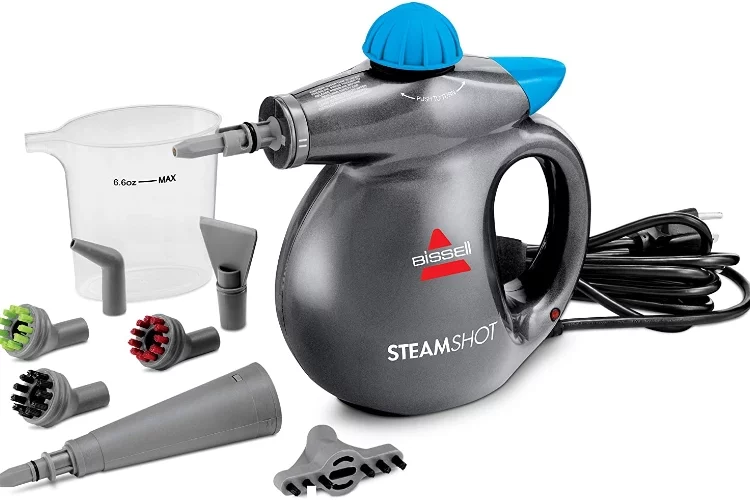
Steam works by heating water past 212°F under pressure, producing dry vapor that penetrates surfaces, breaks apart bonded grime, and kills most bacteria and dust mites on contact. No residue, no rinsing, no fumes. That's why households with kids, pets, or allergy sufferers tend to find it especially useful.
Before diving in, one baseline: steam isn't safe for every surface. Unsealed hardwood, painted walls, laminate flooring, and delicate fabrics can all sustain permanent damage. Test any unfamiliar surface in a hidden spot first. With that in mind, here's what a steam cleaner can actually do for you.
Contents
The kitchen is where steam cleaners prove their value fastest. Baked-on grease inside the oven, sticky residue under stove burners, mineral deposits on faucets — all of these respond almost immediately to pressurized vapor. You point, hold for a few seconds, then wipe. No soaking or heavy scrubbing required.
Practical kitchen uses include degreasing oven interiors and door glass, descaling kettles, cleaning range hood filters, sanitizing cutting boards, and refreshing refrigerator door gaskets. That last one collects mold quickly and is awkward to scrub by hand. Your microwave is another easy win: loosen splatter with steam first, then go over the interior with a detail nozzle in under five minutes.
Grout is one of the most satisfying surfaces to steam clean. The vapor penetrates the porous material and lifts soap scum and mildew that scrubbing typically can't fully reach. Pair this approach with the techniques in the guide on cleaning bathroom tiles effectively and you'll have a repeatable process that keeps grout looking newer between deep cleans.
Beyond grout, steam handles toilet base and hinge sanitization, limescale removal from showerheads, and tile caulk cleaning — areas that typically require multiple specialty products when done by hand.
Full-pressure steam on natural stone tiles like marble or travertine can etch the surface — lower the setting or skip it entirely for these materials.
Sofas, curtains, and upholstered chairs accumulate odors, allergens, and surface grime faster than most people expect. A steam cleaner with a fabric attachment lets you refresh upholstery without removing covers or paying for professional cleaning. Work in slow, even passes with the nozzle held 1–2 inches from the surface. Velvet and loosely woven fabrics need extra caution — test first.
Mattresses are one of the most underused applications. Steam cleans seams, tufted areas, and the surface fabric effectively, reducing dust mite populations and lifting odors from sweat and pet contact. Allow the mattress to dry fully — at least two hours with good air circulation — before putting sheets back on.
Steam mops work well on sealed tile, linoleum, and most vinyl flooring. The guide to cleaning vinyl plank flooring is worth checking before you steam, since plank products have specific moisture tolerances. For sealed hardwood, use the lowest setting only — many manufacturers void warranties if steam moisture is detected, and unsealed or engineered hardwood can warp permanently. Laminate flooring is a hard no regardless of setting: moisture seeps into the joints and causes irreversible swelling.
Pet owners find steam especially useful for eliminating embedded odors in furniture and rugs, sanitizing food bowls, and cleaning kennels or pet beds without chemical residue. Steam temperatures are also effective against flea eggs — EPA pest control guidance supports heat as part of a broader flea management approach.
For short-term rental hosts, steam speeds up turnovers. You can sanitize surfaces, freshen upholstery, and deep-clean tile faster than chemical methods because you skip the rinse step. The absence of fumes is also practical — guests with sensitivities don't walk into a heavy chemical smell.
Steam at 212°F or above kills dust mites effectively. Regular steaming of mattresses, upholstered furniture, and area rugs reduces allergen load without powders or aerosols. The table below gives you a quick reference for which surfaces are safe to steam and what to watch out for.
| Surface | Steam Safe? | Notes |
|---|---|---|
| Sealed tile and grout | Yes | Excellent results; kills mold and mildew |
| Sealed hardwood | Use with caution | Lowest setting only; check manufacturer warranty |
| Unsealed hardwood | No | Risk of warping and finish damage |
| Vinyl plank flooring | Usually yes | Check brand specs; avoid high-pressure settings |
| Laminate flooring | No | Moisture causes permanent joint swelling |
| Cotton / polyester upholstery | Yes | Test hidden area first; hold nozzle 1–2 inches away |
| Silk or velvet | No | Heat and moisture damage fibers |
| Mattresses | Yes | Allow full drying time before use |
| Oven interior | Yes | Highly effective on baked-on grease |
| Painted walls | No | Paint can bubble or peel |
This is the most widespread misconception. Steam is powerful — which is precisely why it causes damage on the wrong surfaces. Laminate looks like tile but behaves completely differently under heat and moisture. Painted walls, most natural stone, and electronics are equally vulnerable. Even well-reviewed versatile models like the ThermaPro 10-in-1 Steam Mop include a clear "do not use on" list. That list reflects real-world damage patterns, not legal over-caution.
Steam and vacuuming address different problems. Your vacuum removes loose particles — crumbs, pet hair, tracked-in dust. Your steam cleaner removes bonded grime and sanitizes. The correct order is always vacuum first, then steam — otherwise you're pushing loose debris around with hot vapor. The 14 effective vacuum cleaning hacks guide pairs well with a steam routine: the two tools are complementary, not competing.
Steam also won't deep-clean carpet the way a wet extractor does. It sanitizes the surface and reduces allergens, but embedded dirt requires mechanical agitation and extraction to remove properly.
Entry-level handheld models start around $30–$50. Mid-range cylinder or canister units with a full attachment set run $80–$200. Professional-grade models used by cleaning services exceed $500. For most households, a mid-range unit provides sufficient tank capacity and pressure for everything covered in this guide. Ongoing costs are minimal — the machine runs on water, ideally distilled to prevent mineral buildup, and internal components last years with basic care.
The financial case for a steam cleaner is what you stop buying: multi-surface sprays, degreasers, bathroom disinfectants, tile cleaners, upholstery fresheners, and periodic professional cleaning visits. A mid-range steam cleaner typically offsets its purchase cost within a year for a household currently spending on multiple specialty products. For a single person in a small apartment the savings are more modest, but the sanitization benefit holds regardless.
The most effective approach is assigning steam cleaning to a recurring schedule rather than using it only when things look noticeably bad. A practical baseline: bathroom tile and kitchen surfaces weekly, upholstery and mattresses monthly, oven interiors and curtains seasonally. The spring cleaning tips guide has a seasonal framework you can slot steam tasks into directly.
The uses for steam cleaner that get skipped most often are the ones that only need attention a few times a year — window tracks, garbage bins, outdoor furniture cushions, and car seat fabric. Adding these to a seasonal checklist prevents years of neglect that make the job significantly harder.
Descaling is the main ongoing task. Mineral buildup inside the tank reduces steam pressure over time. If you use tap water, descale with white vinegar every one to three months depending on your water hardness. After each session, empty the tank completely and leave the cap off so residual moisture can evaporate. Store attachments loosely assembled — not compressed tightly — to preserve gasket life. Check nozzle openings periodically for calcium deposits that restrict steam flow.
The most common uses for steam cleaner tasks include sanitizing bathroom grout and tile, degreasing kitchen appliances and oven interiors, refreshing upholstered furniture and mattresses, descaling showerheads and faucets, cleaning garbage bins, and removing pet odors from rugs and furniture — all without chemical cleaners.
Sealed hardwood can tolerate brief steam exposure at the lowest pressure setting, but unsealed or engineered hardwood with thin veneers is a real risk. Moisture can warp planks and damage the finish, and many manufacturers void warranties if steam damage is detected. When uncertain, use a lightly damp mop instead.
Yes, for most polyester and cotton upholstery. Use a dedicated fabric attachment, keep the nozzle 1–2 inches away from the surface, and always test a hidden area first. Avoid velvet, silk, and loosely woven fabrics. Allow the furniture to dry fully before using it again.
Steam at or above 212°F kills most household bacteria, mold spores, and dust mites on contact. Dwell time matters — hold the steam on the surface for at least 3–5 seconds per area to allow the heat to penetrate. It's highly effective for household hygiene but not a replacement for clinical-grade disinfection on medical surfaces.
Bathroom tile and kitchen surfaces benefit from weekly or biweekly steam cleaning. Mattresses, upholstery, and area rugs are well-served by monthly attention. Oven interiors, curtains, window tracks, and seasonal items like outdoor furniture cushions can be handled a few times per year.
Avoid using steam on laminate flooring, unsealed hardwood, waxed surfaces, painted walls, natural stone like marble and travertine, delicate fabrics like silk and velvet, and all electronics. These materials can warp, stain, bubble, or sustain permanent heat and moisture damage that is not reversible.
Most manufacturers recommend distilled water to minimize mineral buildup inside the tank and heating element. Tap water works but accelerates scale formation, which gradually reduces steam pressure and output. If you use tap water regularly, plan to descale the unit with white vinegar every one to three months.
It can replace many of them for routine cleaning. Steam effectively removes grease, sanitizes surfaces, and neutralizes odors without chemical residue. However, some situations — severe mold infestations, rust stains, or surfaces steam can't safely reach — still benefit from targeted cleaning products. Think of steam as significantly reducing your reliance on chemicals, not eliminating it entirely.
A steam cleaner rewards the people who learn its limits — know what it can't touch, and everything it can touch becomes genuinely easier to clean.
 |
 |
 |
 |

About Liz Gonzales
Liz Gonzales grew up surrounded by art and design in a New York suburb, with both parents teaching studio arts at the State University of New York. That environment sharpened her eye for aesthetics and spatial detail — skills she now applies to evaluating home products where form and function both matter. She has spent the past several years writing about lighting, home decor accessories, and outdoor living gear, with a particular focus on how products perform in real residential settings rather than showrooms. At Linea, she covers lighting fixtures and bulb reviews, outdoor and patio gear, and general home product comparisons.
You can Get FREE Gifts. Furthermore, Free Items here. Disable Ad Blocker to receive them all.
Once done, hit anything below
|
|
|
|