
The average studio apartment in the United States covers just 514 square feet — yet millions of renters call spaces that size home, and many of them feel genuinely comfortable there. If your apartment feels like it's working against you, the square footage itself is rarely the actual problem. Small apartment storage solutions are less about buying more products and more about rethinking how every inch of your space is used. A little structure goes a long way. You'll find a broader collection of strategies in our apartment organization guide, but this post focuses on the practical decisions that move the needle most.
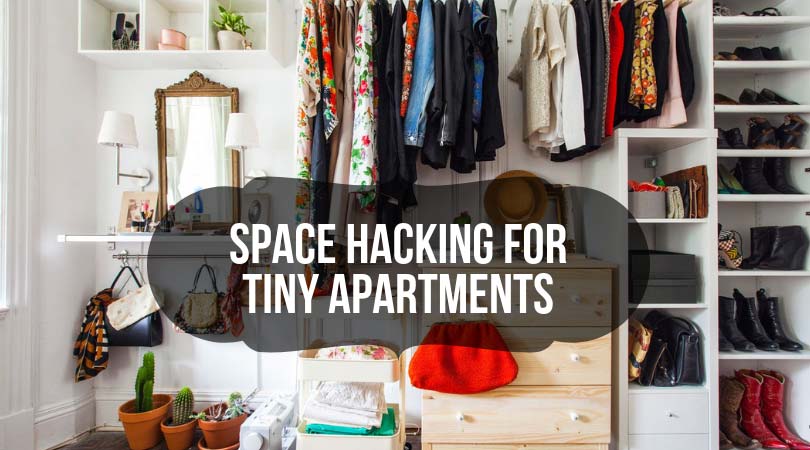
A well-organized small apartment doesn't look sparse because someone got rid of everything they owned. It looks calm because every item has a logical home and every corner of the space is pulling its weight. The difference between a cluttered apartment and a functional one is usually structure, not square footage.
Understanding why small spaces feel overwhelming helps you target the right fixes. Most of the time it comes down to two things: more belongings than storage can reasonably hold, or storage that isn't located near where things are actually used. Address those two root causes, and the rest tends to sort itself out.
Contents
There's usually a clear moment when you know the current system isn't working. A cabinet you can't open without something falling out. Buying a duplicate item because you couldn't locate the original. Dreading having guests over because the space isn't presentable. These are reliable signals that your storage setup needs to change — not more space, just better-used space.
Small apartment storage solutions make the most sense when the core problem is structure rather than volume. If your belongings are reasonably edited and you just can't find a home for everything, reorganization alone can transform how your apartment functions. The space you already have is capable of more than you're asking of it — you just need a better system to unlock it.
Not every storage problem deserves a storage solution. If you're planning a move in the next few months, investing in wall-mounted systems or large furniture designed for your current layout may not travel well. More commonly, the real issue is that you own more than your space can reasonably hold — and in that case, a thorough declutter should come before any organizational overhaul. Buying bins and shelves before editing your possessions is the most common mistake in small-space organizing. You'll organize the clutter, then have to organize it all over again after you eventually pare down.
The benefits of a well-organized apartment extend well beyond having a tidy space. When your belongings are easy to find and easy to put away, you spend less time searching, less money replacing forgotten items, and less mental energy managing background disorder. Research on clutter and organizing behavior consistently links physical disorder to elevated stress and reduced ability to concentrate — a real concern if you're working or studying from home.
Vertical storage is where most renters leave the most capacity on the table. The average apartment has eight to ten feet of wall height, but most people use only the bottom five. Wall-mounted shelves, floor-to-ceiling bookcases, and over-door organizers expand your storage footprint without consuming any floor space. That's a genuine multiplication of capacity with no square footage cost.
The trade-offs are real and worth thinking through before you commit to a system. Heavy vertical storage can make a room feel visually busy, especially if the items on display aren't consistent in appearance. Open shelving works beautifully when contents are uniform or curated — matching containers, a cohesive palette — and works poorly when it's holding whatever didn't fit elsewhere.
Multifunctional furniture adds real value but also adds complexity. A storage ottoman or a bed frame with drawers is only useful if you actually maintain what's inside. Hidden storage is easy to ignore, which means it can fill up with random items just as quickly as any surface would. Any storage solution that's inconvenient to access will eventually stop being used. Ease of retrieval matters at least as much as raw capacity.
Before buying any organizer, ask yourself: will I actually open this at least once a week? If not, you may just be relocating the clutter rather than solving it.
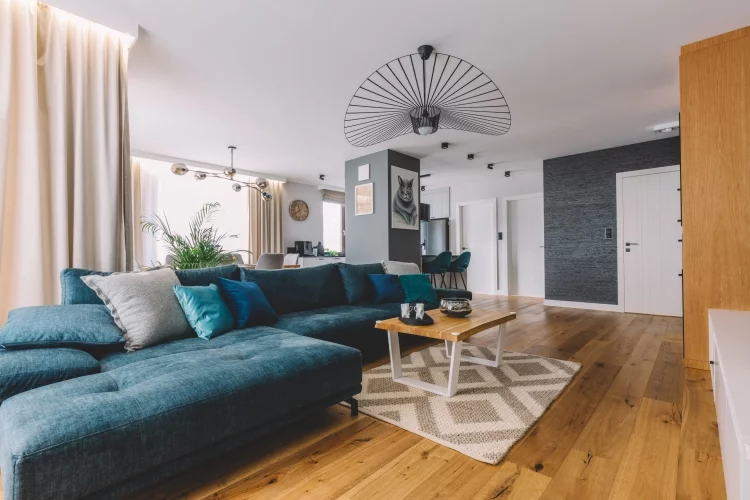
The most reliable principle in small-space design is to build upward before you spread outward. Floor space is finite and expensive in rent terms. Wall space — especially the upper third of your walls — is almost always underused. Floating shelves in the kitchen can hold spices, oils, and cookbooks that would otherwise crowd the counter. A pegboard in the entryway can replace a bulky coat rack with a flat system that holds bags, keys, scarves, and headphones. Tall shelving units that reach the ceiling store dramatically more than shorter ones while drawing the eye upward, which makes rooms feel taller in the process.
One practical note: when installing anything wall-mounted, locate studs or use drywall anchors rated for the load you're hanging. A shelf collapse creates far more disruption than no shelf at all.
Multifunctional furniture is the highest-leverage investment you can make in a small apartment. A bed frame with built-in drawers gives you the equivalent of a dresser without any additional floor space. A storage ottoman replaces a coffee table and a linen closet at the same time. A dining bench with a hinged lid can hold board games, extra linens, or seasonal gear. The logic is straightforward: you're layering function into furniture you're already buying, not adding new pieces to an already crowded room.
Scale matters enormously here. A piece that's even ten or twelve inches too wide for your space creates more visual disruption than it resolves. Measure your rooms carefully — including walking clearances around furniture — before committing to anything substantial.
The kitchen is typically the hardest room to manage in a small apartment because it holds the widest variety of item categories: cookware, pantry goods, small appliances, cleaning supplies, utensils. The single most impactful change you can make in a small kitchen is clearing the countertops entirely. Counters function as visual real estate, and clear counters make even a compact kitchen feel workable. Inside cabinets, stackable risers and pull-out organizers can effectively double usable shelf space. Pot lid organizers, adhesive hooks on cabinet doors, and tension rods to separate baking sheets all recover capacity that typically goes to waste.
In the bathroom, over-toilet shelving and door-mounted organizers are reliable standbys. If you're thinking longer-term about the room, flooring choices for small bathrooms affect how spacious the space reads — lighter materials and larger-format tiles tend to open up tight rooms visually. For regular upkeep, knowing how to clean bathroom tiles effectively keeps the space looking sharp even when products are stored in plain sight.
| Storage Solution | Best Room | Renter-Friendly | Approximate Cost | Space Impact |
|---|---|---|---|---|
| Floating shelves | Living room, kitchen | Yes (with anchors) | $20–$80 | High |
| Over-door organizer | Bathroom, bedroom | Yes | $10–$30 | Medium |
| Bed frame with drawers | Bedroom | Yes | $150–$400 | Very high |
| Storage ottoman | Living room | Yes | $50–$150 | Medium |
| Pegboard system | Kitchen, office nook | Yes | $30–$80 | High |
| Floor-to-ceiling shelving unit | Any room | Yes | $40–$200 | Very high |
In the living room, working along the perimeter of the room keeps the center open and usable. A wall-mounted TV eliminates the need for a media console. Built-in or freestanding shelving along a single wall consolidates what would otherwise be scattered across multiple smaller pieces. If your apartment has an open floor plan, strategic furniture placement and area rugs can define separate zones — work, lounge, dining — without any physical dividers.
The bedroom benefits most from under-bed storage and door-mounted organizers. Slim rolling drawers under a standard bed frame are genuinely effective for off-season clothing, extra bedding, or shoes. For cleaning between tight furniture and along baseboards, a maneuverable vacuum makes a real difference — the Dyson DC65 is worth considering for its reach and suction across different surface types. Pairing it with effective vacuum cleaning techniques keeps maintenance fast and consistent. It also pays to work through a checklist of commonly overlooked spots, since compact apartments tend to accumulate grime in corners and crevices that are easy to miss.
Some of the highest-impact organizational improvements require nothing more than time and clear thinking. Taking everything off a single surface — one countertop, one nightstand, one bathroom shelf — and deliberately returning only what genuinely belongs there is a real reset. Most people find they put back fewer than half the items. The rest gets filed, donated, or discarded, and the surface stays clear because there's less on it to begin with.
Grouping like items into consistent zones is another zero-cost improvement with outsized returns. A dedicated coffee station, a reading corner, a defined work area — these reduce the mental load of a small apartment by making it obvious where things belong and obvious when something is out of place. You don't need labels or matching containers to start. You just need consistent logic applied consistently.
A few inexpensive, widely available products consistently deliver strong results in small spaces. The common thread is that they work with your existing layout rather than requiring modifications:
The same focused, room-by-room momentum that works for a seasonal cleaning refresh applies here. Finish one space completely before moving to the next, and resist the urge to buy more products until you've worked through what you already have.
No organizational system survives contact with unedited belongings. Before purchasing a single shelf or bin, pull everything out of a space and sort it into keep, donate, and discard piles. Most people significantly underestimate the number of items they own in any given category — which is exactly why the audit so often solves the storage problem on its own, before any reorganization begins. Skipping this step means organizing around clutter rather than eliminating it.
Once you know what you're keeping, assign a storage location to each category near its point of use. Cleaning supplies go where you clean. Kitchen tools go where you cook. Extra linens go near the bedroom. This sounds obvious, but most cluttered apartments store things wherever space was available at the time, not where the items are actually needed. A zone map — even a rough sketch on paper — prevents you from buying storage for the wrong rooms and keeps the system logical once it's in place.
Buy only what the zones you've mapped actually require. Install wall-mounted storage first since it requires the most commitment. Follow with furniture, then small organizers last. Give any new system four to six weeks before evaluating whether it's working — most habits take time to form, and an organizational system is only as good as the daily routine that supports it.
Revisit your layout seasonally. Winter storage needs don't match summer ones, and a setup built around one wardrobe may not serve you after a seasonal swap. Making decluttering a seasonal habit rather than a yearly emergency is the most reliable way to keep a small apartment consistently manageable without heroic effort.
Command strips and adhesive hooks are the most versatile no-drill options and can hold surprising amounts of weight when applied correctly to clean, dry surfaces. Over-door organizers, freestanding shelving units, and furniture with built-in storage — like ottomans and bed frames with drawers — also require no permanent installation. Tension rods work well inside cabinets and closets to create dividers without any hardware at all.
Start by clearing all horizontal surfaces — counters, tables, nightstands — and only returning items that you use daily. Move anything seasonal or rarely used to less accessible storage: under the bed, on high shelves, or inside furniture with lids. The visual calm that comes from clear surfaces makes a space feel organized even before any deeper reorganization has taken place.
Both work, but they work differently. Open shelving maximizes the sense of visual space and keeps items accessible, but it requires more curation — random items at eye level add noise rather than calm. Closed storage keeps things tidy regardless of what's inside but can feel heavier if overdone. A mix usually works best: closed storage for everyday clutter, open display for intentionally chosen objects.
Start with the room that causes the most daily friction. For most people that's either the kitchen or the entryway. Kitchens hold the widest variety of items and are used multiple times a day. Entryways set the tone for the entire apartment — when coats, bags, and shoes have a clear home at the door, clutter is far less likely to migrate inward.
A light edit every three to four months works well for most people — it catches seasonal items that are no longer relevant and prevents gradual accumulation from becoming overwhelming. A deeper review once or twice a year, where you pull everything out of storage areas and reassess, keeps the system from drifting. Small spaces have very little tolerance for gradual buildup, so the more regular the habit, the easier each session becomes.
A small apartment organized with intention will always feel more spacious than a large one filled without a plan.
 |
 |
 |
 |

About Linea Lorenzo
Linea Lorenzo has spent over a decade testing home gadgets, cleaning products, and consumer electronics from his base in Sacramento, California. What started as a personal obsession with keeping his space clean and stocked with the right tools evolved into a full-time writing career covering the home products space. He has hands-on experience with hundreds of cleaning solutions, robotic and cordless vacuums, and everyday household gadgets — evaluating them for performance, value, and real-world usability rather than spec sheet appeal. At Linea, he covers home cleaning guides, general how-to tutorials, and practical product advice for everyday home care.
You can Get FREE Gifts. Furthermore, Free Items here. Disable Ad Blocker to receive them all.
Once done, hit anything below
|
|
|
|