
The Dyson V15 Detect Plus is the best vacuum for stairs in 2026, delivering 240AW of suction with laser-guided dust detection that makes every tread genuinely spotless. If you have carpeted risers, tight landings, or a dog who treats your staircase as a favorite napping spot, the right vacuum transforms a tedious chore into a three-minute sweep. Stairs are one of the most challenging surfaces in any home because they combine vertical reach, tight angles, and a mix of carpet and hard-edge nosings — and most full-sized uprights simply cannot navigate that geometry.
Choosing the best vacuum for stairs means prioritizing weight, maneuverability, and attachment flexibility above almost everything else. A 15-pound upright may perform brilliantly on open floors but becomes a genuine hazard when you are balancing on the third step while trying to reach the landing above. Cordless stick and handheld designs dominate this category for that reason — they let you work with one hand free, reposition quickly, and switch to a crevice tool without hunting through a closet. Our 2026 picks draw on the same evaluation framework used by consumer testing labs: verified suction ratings, real-world runtime under load, and build quality that holds up through repeated stair sessions.
This guide covers seven of the top-performing models across different budgets and use cases, from premium Dyson engineering to budget-conscious Eureka cordless options. Whether you are vacuuming bare oak treads weekly or tackling deep-pile carpet monthly, you will find a match here. For more context on keeping all your hard surfaces clean, browse our full cleaning guides — and if upholstered furniture is part of your cleaning routine, our best vacuum for upholstery review covers the accessories that make the biggest difference on fabric surfaces.

Contents


The Dyson V15 Detect Plus earns its top ranking by combining the highest suction output in this category — 240AW at full power — with a laser detection system that actually shows you what you are missing on each tread. The Fluffy Optic cleaner head projects a precisely angled green laser that illuminates fine dust particles invisible to the naked eye, which is critical on light-colored hardwood stairs where superficial debris hides in the grain. On carpet-covered stairs, the Digital Motorbar cleaner head engages automatically with higher power, and its anti-tangle technology pulls long hair and pet fur free from the brushroll without requiring you to stop and cut anything loose mid-session.
The motor spins at up to 125,000 rpm, and that mechanical intensity translates directly into stair performance: embedded grit in low-pile carpet releases in a single pass, and the suction is strong enough to pull debris out of the seam where the riser meets the tread — a spot most vacuums ignore. You get three power modes including Boost for stubborn messes, and the digital display reports remaining runtime in real time so you are never caught mid-staircase with a dead battery. At up to 60 minutes on Eco mode, the battery lasts long enough to do the stairs and then continue through adjacent rooms without recharging.
The V15 Detect Plus ships with two full-sized cleaner heads and four attachments, including a crevice tool and a mini motorized head that is perfectly sized for stair nosings and risers. The wall dock charges the unit and stores all accessories in one footprint, which matters if your utility space is limited. This is the vacuum you buy if you refuse to compromise on cleaning results, and its build quality — premium-grade polycarbonate with metal spine construction — ensures it performs this well for years, not months.
Pros:
Cons:
The Dyson V8 delivers 115AW of suction — meaningfully less than the V15 but still well above what most competing cordless machines produce at this price point. For stairs with short to medium pile carpet or bare hardwood, 115AW is more than sufficient to extract the surface debris and pet hair that accumulates between weekly cleanings. The Motorbar cleaner head handles both carpet and hard floors without requiring a manual swap, and its de-tangling brushroll keeps hair from wrapping around the central roller even during extended stair sessions with long-haired pets in the house.
Where the V8 makes a compelling case for mid-budget buyers is in its balance of power and practicality. Up to 40 minutes of fade-free suction on standard mode is enough to clean a two-story home's staircase plus a hallway on a single charge, and the Dyson digital motor maintains consistent suction even as the dust bin fills — unlike cheaper units that weaken noticeably when the chamber is 60% full. Three attachments ship in the box including a crevice tool, which is the single most important stair attachment you will use for reaching seams and corners on each tread.
The V8 converts to a handheld configuration by removing the wand, giving you a compact, well-balanced unit ideal for car stairs, boat steps, or any tight application where the full-length stick form is impractical. The wall dock keeps everything organized and charging simultaneously. If the V15 sits above your budget but you still want genuine Dyson engineering and build quality, the V8 is the correct choice — it is a mature, well-refined platform with years of real-world user validation behind it.
Pros:
Cons:
The Shark HV302 Rocket is the answer for anyone who has been burned by cordless runtime limitations. Because it draws power directly from the wall, suction never weakens, never fades, and never stops mid-stair — a legitimate advantage if your staircase connects two heavily used floors and gets vacuumed multiple times per week. Corded stick vacuums fell out of fashion when lithium battery technology matured, but for dedicated stair cleaning where you are always within cord reach of an outlet, the reliability argument is hard to dismiss.
The HV302 is ultra-lightweight for a corded machine, which makes maneuvering on stairs genuinely comfortable rather than exhausting. Swivel steering gives you the low-profile design needed to reach under the lip of each tread, and the included pet multi-tool is specifically designed to agitate and lift embedded pet hair from carpet fibers — a task that requires mechanical brushroll action rather than suction alone. The precision duster attachment handles the vertical riser surfaces and any decorative balusters your staircase may have.
The HV302 converts to a handheld by detaching the wand, at which point it functions identically to a dedicated hand vac for close-quarters stair work. The cord length is sufficient for a standard single-story staircase without repositioning the plug, though longer staircases or multi-landing configurations may require an extension cord. For pet owners on a tight budget who prioritize consistent suction over cordless convenience, this Shark Rocket is a dependable, proven performer that has remained a best-seller for good reason.
Pros:
Cons:
At just 1.4 pounds, the Shark WANDVAC is the lightest vacuum on this list and the one that makes stair cleaning feel effortless in a way that heavier machines simply cannot replicate. Weight is the most underrated factor in stair vacuum performance — when you are carrying a vacuum up and down 12 to 16 steps per session, even a one-pound difference in machine weight compounds into meaningful physical fatigue over a week of regular use. The WANDVAC eliminates that issue entirely by fitting in one hand with grip room to spare, letting you use your other hand to steady yourself on the railing or reach into tight corners.
The high-speed brushless motor delivers suction performance well beyond what you would expect from a 1.4-pound unit, making quick work of surface debris, crumbs, and light pet hair on both carpeted and bare stair treads. Single-touch emptying ejects the dust cup contents without requiring you to touch the debris — a hygiene advantage that pet and allergy households appreciate. The detachable dust cup and easily removable filter housing keep maintenance straightforward, and the charging dock keeps the unit ready without hunting for a loose cable each time you need it.
The WANDVAC is a purpose-built quick-clean tool rather than a deep-clean machine, which means it excels at the daily or every-other-day light maintenance sessions that keep stairs presentable between thorough cleanings. If you already own a full-sized cordless stick or a corded upright for deep weekly cleans, adding the WANDVAC as a dedicated stair companion is a genuinely smart decision. For more handheld options at various price points, our best handheld vacuum guide covers the full competitive landscape in detail.
Pros:
Cons:
The Dyson V12 Detect Slim sits between the WANDVAC's ultralight simplicity and the V15's full-power engineering, and it brings one feature that no other vacuum on this list can match: a laser that counts and sizes individual dust particles and displays the results on an LCD screen in real time as you clean. That is not a gimmick — it tells you precisely when a tread is clean versus when it still needs another pass, which prevents both under-cleaning (missing fine particles) and over-cleaning (wasting time on surfaces that are already spotless).
The Slim designation means this machine is noticeably lighter and narrower than the V15, which is a direct advantage on stairs where tight angles and riser-to-tread transitions demand a more maneuverable form factor. The precisely angled laser illuminates invisible dust on hard floor treads, giving you visual confirmation that complements the particle-count data on the display. Single-button power control eliminates trigger fatigue — you do not need to hold a button throughout the entire cleaning session, which becomes noticeably comfortable during extended stair runs compared to trigger-held designs.
The V12 Detect Slim accepts all Dyson Gen 5 compatible accessories, so if you already own other Dyson products, your existing attachment library transfers over. On carpeted stairs it delivers strong mechanical brushroll performance, and on hardwood treads the laser system catches the fine debris that makes light-colored floors look dull even after a seemingly thorough clean. This is the right choice if you want Dyson precision engineering in a more compact and maneuverable package than the flagship V15.
Pros:
Cons:
If pet hair on stairs is your primary problem, the Shark IX141 addresses it more directly than any other machine at its price point. HyperVelocity suction combined with Shark's bristle brushroll creates a mechanical-plus-suction combination that dislodges embedded pet fur from carpet pile and then evacuates it into the dust cup in a single motion — the brushroll agitates the fiber to release hair that suction alone cannot pull free. LED headlights on the head illuminate dark stair corners and the shadowed areas beneath each tread where pet hair accumulates invisibly until you move the vacuum head into position.
The 40-minute runtime under standard conditions is sufficient for most multi-story cleaning sessions, and the handheld conversion is immediate and tool-free — a key requirement for stair use where you are constantly switching between the full-length stick for tread surfaces and the compact handheld for riser faces and balusters. The IX141 ships with both a crevice tool and a pet multi-tool, giving you two dedicated attachments for the specific challenges stairs present to pet owners.
Floor-to-carpet versatility is genuinely reliable here — the brushroll and suction combination performs consistently on both bare hardwood treads and medium-pile carpet without requiring manual mode changes. For pet owners who clean stairs two or more times per week and want a dedicated machine that does not require constant accessory swapping, the IX141 is the most focused and cost-effective choice on this list. Pair it with our best handheld vacuum for pet hair review if you are also managing furniture and upholstery pet hair alongside your staircase routine.
Pros:
Cons:
The Eureka RapidClean Pro proves that you do not need to spend Dyson money to get a genuinely capable stair vacuum in 2026. At 5.3 pounds it is light enough for comfortable stair use, and its 250W motor with tangle-free brushroll handles the pet hair pickup that is the most common complaint from stair-cleaning households. The tangle-free brushroll design is a critical detail at this price point — cheaper alternatives require frequent manual clearing of hair from the roller, which adds maintenance time and interrupts cleaning flow in a way that becomes genuinely frustrating on repeated use.
Three power modes — Eco, Standard, and Max — let you calibrate battery consumption to the surface you are cleaning, extending the 40-minute runtime on lower-traffic days when Eco mode is sufficient. LED headlights built into the head illuminate under-furniture shadows and dim stair corners with the same practical benefit as the more expensive Shark and Dyson options, ensuring you are not missing debris in low-light conditions near the base of the staircase or on the landing. Tested performance on both dog and cat hair confirms that the tangle-free system delivers on its promise rather than just marketing it.
At 5.3 pounds the RapidClean Pro is slightly heavier than the WANDVAC handheld, but it offers considerably more cleaning capability in a full stick configuration that reaches every stair tread without crouching. For buyers who want a primary stair vacuum rather than a supplemental quick-clean device, and who need to stay within a budget that makes the Dyson options impractical, the Eureka RapidClean Pro is the most complete package available at its price. According to Wikipedia's overview of vacuum cleaner technology, cordless stick designs have progressively closed the performance gap with corded units over the past decade — the RapidClean Pro is evidence of exactly that trend at the accessible end of the market.
Pros:
Cons:
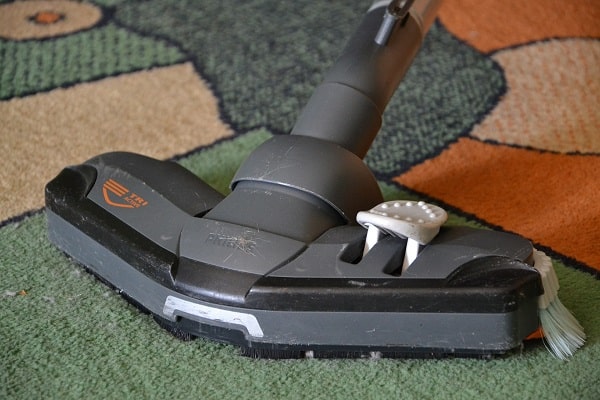
Stairs impose constraints on vacuum design that flat-floor cleaning does not. Before you commit to any model, evaluate these four criteria against your specific staircase — the right answer depends on your floor type, pet ownership status, stair count, and how often you clean.
Weight is the single most important spec for stair vacuums, and it is consistently underweighted in reviews that focus primarily on suction ratings. Every pound you carry up and down a staircase per session multiplies across the weeks and months of ownership — a vacuum that feels fine in a showroom becomes an obstacle when you are tired and cleaning 14 steps at 7 a.m. Handheld units under 2 pounds (like the Shark WANDVAC) offer the greatest freedom of movement but sacrifice deep-clean capability. Cordless sticks in the 3–6 pound range (like the Eureka RapidClean Pro and the Dyson V8) balance cleaning power with manageable carry weight. Anything heavier becomes a dedicated two-hand operation that most users eventually abandon in favor of spot-cleaning with a smaller tool.
Swivel steering and low-profile cleaner head design are the maneuverability factors that matter on stairs specifically. A head that cannot pivot freely on the tread-to-riser junction forces awkward angled approaches, and a head with too much vertical height cannot reach the back of each tread where the riser meets the carpet. When you read product specifications, look for cleaner head height under 4 inches and a steering mechanism that allows at least 180-degree pivot from center.
The cordless versus corded decision comes down to how you prioritize runtime reliability against cleaning freedom. Corded machines like the Shark HV302 Rocket never run out of power, which matters when your staircase gets heavily trafficked and needs cleaning multiple times per week — you will never interrupt a session to recharge, and suction never fades as a dust bin fills. The trade-off is cord management on a vertical surface, which requires placing the power outlet thoughtfully and potentially repositioning the plug if your staircase spans multiple floors.
Cordless machines eliminate cord management entirely and convert to handheld form for riser work more naturally, but they impose a hard runtime limit that determines how much you can clean before returning to the dock. Thirty-five to forty minutes of real-world runtime is sufficient for most single-story staircases plus adjacent hallways, but if you have a multi-story home with 25-plus steps, verify that the runtime you see in spec sheets is measured under load rather than in Eco mode without attachments — the real-world numbers can differ by 30-40% from best-case published figures.
Carpeted stairs require mechanical brushroll action to dislodge embedded debris, pet hair, and fine particulate that suction alone cannot reach. A vacuum with strong suction but no motorized brushroll — including most basic handheld designs — will visibly clean surface debris from carpet but leave the deeper-embedded material in place, which becomes visible again after foot traffic redistributes it. For carpeted stairs, prioritize models with a motorized brushroll and at least 150AW of suction.
Hard stair treads — hardwood, tile, laminate — have the opposite challenge: suction strength matters more than brushroll aggressiveness, and a spinning brushroll that is too stiff can scatter fine debris rather than capturing it. The Dyson laser detection system is genuinely valuable here because fine dust on hardwood is invisible under normal lighting and only reveals itself when the laser illuminates it at an acute angle. If your treads are hardwood or tile, you also benefit from a soft-roll cleaner head that does not scratch the surface finish during repeated use. For comprehensive guidance on vacuuming hardwood and tile surfaces beyond stairs, our best vacuum for tile floors review covers the additional considerations for these surfaces throughout your home.
Every vacuum manufacturer ships an accessory kit, but on stairs specifically, only two or three attachments deliver consistent value. The crevice tool is non-negotiable — the seam where each tread meets the riser is where debris compacts and where a flat cleaner head cannot reach, and only a narrow crevice nozzle accesses it reliably. A motorized mini head or pet multi-tool is essential if you have animals in the home, because mechanical agitation is required to free embedded pet hair from carpet fibers at stair edges. A dusting brush handles baluster details and decorative molding on finished staircases without scratching the surface. Everything else in the box — upholstery tools, wide floor attachments — is useful elsewhere in the home but adds little to dedicated stair cleaning.
Cordless stick vacuums that convert to handheld form are the best overall choice for stairs in 2026. They combine sufficient suction for both carpet and hard treads, lightweight build for comfortable carry between steps, and the flexibility to detach to a compact handheld for riser faces and corner crevices. Dedicated handheld units like the Shark WANDVAC are the right pick for quick daily maintenance, while full cordless sticks like the Dyson V15 or V8 handle deep weekly cleaning sessions on their own.
No — standard robot vacuums cannot clean stairs and will fall off the edge of the first step if directed toward a staircase. Robotic stair-cleaning technology exists in prototype and limited commercial form, but no mainstream consumer robot vacuum navigates stairs reliably in 2026. Your stairs require a handheld or stick vacuum operated by a person. The only automated assistance that works near stairs is a robot vacuum maintaining the landing or hallway at the top or bottom of the staircase, stopping at the edge.
High-traffic staircases in homes with pets or children benefit from vacuuming two to three times per week using a lightweight handheld for quick passes, supplemented by a thorough deep clean with a motorized brushroll once per week. Low-traffic staircases in pet-free homes can be maintained well with a single thorough cleaning per week. The consequence of under-vacuuming stairs is that debris works into carpet pile and becomes harder to extract over time, requiring more aggressive cleaning passes to achieve the same result as regular light maintenance would have prevented.
A standard handheld vacuum without a motorized brushroll is sufficient for surface debris on carpet but will not effectively extract embedded pet hair, fine particulate, or debris that has been trampled into the pile. If your carpeted stairs see regular foot traffic and pet use, you need either a stick vacuum with a motorized cleaner head or a handheld with a powered mini-motorized attachment. The Shark WANDVAC is excellent for daily quick-clean passes but should be supplemented with a motorized stick for weekly deep cleaning on any carpet surface with medium or higher pile.
For bare hardwood or tile stair treads, 80–120AW of suction is sufficient for thorough cleaning when paired with a soft-roll cleaner head. For low to medium pile carpet, target 115–150AW with a motorized brushroll that agitates the fiber while suction evacuates dislodged debris. For deep-pile carpet or staircases with heavy pet traffic, 200AW or more — as delivered by the Dyson V15 at 240AW — ensures single-pass extraction without requiring multiple repetitive passes over the same surface.
Yes, for households where stairs see daily use, pet traffic, or a mix of carpet and hard-tread surfaces. Dyson's anti-tangle brushroll technology alone eliminates a maintenance task that cheaper machines impose every few sessions, and the fade-free suction maintained throughout a full dust bin is a genuine performance advantage over budget alternatives that weaken as the chamber fills. The laser detection system on the V12 and V15 is the only way to objectively confirm that fine dust on hard treads has been fully captured rather than simply redistributed. If your stairs are bare hardwood and you clean them weekly, the V8 is the cost-efficient Dyson entry point — the V15 is justified by high-traffic carpeted stairs or significant pet ownership.
The best vacuum for your stairs is the one you will actually pick up and use every week — so match the weight and runtime to your staircase first, and let the suction specs confirm the choice.
 |
 |
 |
 |

About Linea Lorenzo
Linea Lorenzo has spent over a decade testing home gadgets, cleaning products, and consumer electronics from his base in Sacramento, California. What started as a personal obsession with keeping his space clean and stocked with the right tools evolved into a full-time writing career covering the home products space. He has hands-on experience with hundreds of cleaning solutions, robotic and cordless vacuums, and everyday household gadgets — evaluating them for performance, value, and real-world usability rather than spec sheet appeal. At Linea, he covers home cleaning guides, general how-to tutorials, and practical product advice for everyday home care.
You can Get FREE Gifts. Furthermore, Free Items here. Disable Ad Blocker to receive them all.
Once done, hit anything below
|
|
|
|