
What if the floor you're standing on right now is actually making your kitchen harder to clean and maintain? Choosing from the most popular kitchen flooring types is one of the highest-impact decisions you'll make during a kitchen renovation, and the right choice depends on your lifestyle, your budget, and how much maintenance you can realistically keep up with over time. Whether you're drawn to the warmth of wood, the durability of tile, or the affordability of vinyl, each option brings a real set of trade-offs that are worth understanding before you spend a dollar. This guide walks you through all of it in plain language so you can decide with confidence. For ongoing upkeep advice once your floor is in, our cleaning guides are a great place to bookmark.
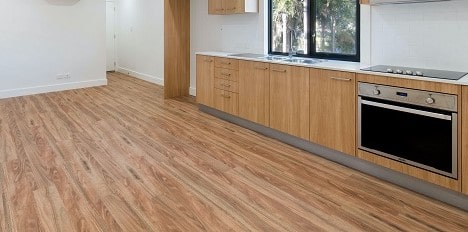
Your kitchen floor handles more daily punishment than almost any other surface in your home — spills, dropped pans, foot traffic, pet claws, and frequent mopping all take a toll over the years. The flooring you choose needs to match how you actually live, not just how you want your kitchen to look in photos. A beautiful hardwood floor in a home with three kids and two dogs might be a constant source of frustration, while a budget vinyl option in a carefully kept household could last just as long as premium tile at a fraction of the price.
The sections below break down the best flooring choices by real-world situation, give you an honest side-by-side comparison, cover care and cleaning, bust a few persistent myths, and help you figure out what you can realistically install yourself versus what needs a professional touch.
Contents
Not every floor works equally well in every kitchen, and matching your flooring material to your actual daily routine is the smartest place to start. The most popular kitchen flooring types each perform differently depending on how busy your space is, who uses it, and how much square footage you're working with.
If your kitchen sees constant use — multiple meals a day, frequent entertaining, or a large household cycling through all day — durability and scratch resistance should be your top priorities when comparing options. Here are the materials that hold up best under heavy use:
If you're seriously considering vinyl for a high-use kitchen, the detailed luxury vinyl plank pros and cons breakdown covers what to expect in terms of lifespan, cost, and performance before you commit to the purchase.
Spills, scratches, and mud tracked in from outside happen constantly in family kitchens, so you need a floor that's forgiving, fast to clean, and resistant to the kind of daily abuse that softer materials can't handle. Your best options in this category include:
When your kitchen flows directly into a dining or living area, visual consistency becomes just as important as durability. Light-colored tiles, wide-plank vinyl, or natural hardwood all help create a seamless look that makes compact spaces feel more open and less chopped up. Larger format tiles (24×24 inches or bigger) also reduce the number of grout lines visible, which gives a cleaner, more expansive appearance to a smaller room without requiring any structural changes.
Here's a direct side-by-side comparison of the six most common kitchen flooring materials, so you can weigh your options at a glance without digging through a dozen separate sources before making a decision.
| Flooring Type | Water Resistance | Durability | Avg. Cost (per sq ft) | DIY Friendly | Comfort Underfoot |
|---|---|---|---|---|---|
| Hardwood | Low | High (refinishable) | $5–$15 | Moderate | Warm |
| Engineered Hardwood | Moderate | High | $4–$12 | Yes | Warm |
| Luxury Vinyl Plank | Very High | Very High | $2–$7 | Yes | Soft |
| Ceramic / Porcelain Tile | Very High | Very High | $1–$10 | Moderate | Hard / Cold |
| Laminate | Low–Moderate | Moderate | $1–$5 | Yes | Moderate |
| Natural Stone | Moderate (sealed) | Very High | $5–$20+ | No | Hard / Cold |
Hardwood is one of the most desirable looks you can put in a kitchen, and it adds measurable resale value to your home over time. The trade-off is that solid hardwood can warp, swell, or cup in kitchens with high humidity or frequent standing water if you don't stay on top of sealing and maintenance. Harder wood species — oak, maple, and hickory — hold up significantly better than softer options like pine or cherry in a working kitchen environment. If you go this route, learning how to clean hardwood floors with vinegar is a practical way to maintain the finish regularly without spending money on specialized commercial cleaners.

Vinyl and laminate are the budget-friendly options of the kitchen flooring world, and modern versions look surprisingly close to real wood or stone without the associated cost or maintenance requirements. Luxury vinyl plank has surged in popularity because it's fully waterproof, genuinely durable, and comfortable to stand on during long cooking sessions in a way that tile simply isn't. For a detailed comparison of how these two affordable options differ in real-world performance, the vinyl vs laminate flooring pros and cons guide covers everything worth knowing before you choose. Quick highlights:
Pro tip: If your subfloor has minor dips or imperfections, LVP is more forgiving than laminate — its thicker wear layer flexes slightly over uneven spots without cracking along the seams.
Picking the right material is only half the battle — knowing how to care for it is what makes your investment last significantly longer. The most popular kitchen flooring types all have different maintenance needs, and matching those needs to your actual daily routine is just as important as matching the look to your kitchen's style and layout.
Most kitchen floors share a few core maintenance habits, regardless of material. Staying consistent with these prevents the kind of slow damage that shortens a floor's lifespan well before it should need replacing:
For vinyl floors in particular, a regular cleaning routine is simple and quick without requiring any specialized products or equipment. The how to clean vinyl plank flooring guide walks through the right techniques so you don't accidentally damage the wear layer with the wrong mop or cleaner. A steam mop is also a genuinely useful tool for tile and some sealed vinyl surfaces — the ThermaPro 10-in-1 Steam Mop Cleaner review covers a versatile option that works well across multiple floor types in the same home.
Before you commit to any flooring purchase, run through these questions to make sure the material actually fits the way you live, not just the way you imagine you'll live after the renovation is done:
A few widely repeated misconceptions tend to push people toward the wrong choice before they've even started comparing options seriously. Clearing these up first saves you from ruling out materials that might actually be perfect for your kitchen.
Solid hardwood isn't the ideal choice for every kitchen, but it's far from impossible in most of them. According to Wikipedia's overview of hardwood, the density and hardness of different wood species vary enormously, and those properties directly affect how well the material handles moisture exposure and heavy use over time. The real issue isn't the material itself — it's whether you seal it correctly before installation, re-seal it on schedule, and clean up standing water promptly before it soaks into the grain. Engineered hardwood, which layers a real wood veneer over a dimensionally stable core, handles kitchen humidity fluctuations even more reliably than solid wood does. Key practices if you go this route:
Tile has a reputation for being uncomfortable underfoot and dangerous when wet, but modern tile technology challenges both of those assumptions in meaningful ways. Textured porcelain tiles with a slip-resistance coefficient (COF) of 0.6 or higher provide real traction even on wet surfaces, and they're widely available at standard home improvement retailers. Anti-fatigue mats placed in front of the sink and stove address the hardness and cold temperature issue without covering the entire floor. Radiant floor heating systems installed beneath tile are another option that completely eliminates the cold-floor problem if you're in a colder climate and love the look of tile but hate stepping onto a freezing surface every morning.
Your skill level, available tools, and free time should factor into your flooring choice just as much as aesthetics and long-term durability. Some of the most popular kitchen flooring types are genuinely beginner-friendly; others carry a real risk of expensive mistakes if you try to tackle them without professional experience and the right equipment.
These materials are well-suited to confident first-timers who are comfortable following step-by-step instructions and working carefully over a weekend:
Some installations carry real financial risk if the execution is off, and the cost of fixing a poorly done job often exceeds what you would have paid a professional in the first place. Always hire out for these materials and installation methods:
 |
 |
 |
 |

About Linea Lorenzo
Linea Lorenzo has spent over a decade testing home gadgets, cleaning products, and consumer electronics from his base in Sacramento, California. What started as a personal obsession with keeping his space clean and stocked with the right tools evolved into a full-time writing career covering the home products space. He has hands-on experience with hundreds of cleaning solutions, robotic and cordless vacuums, and everyday household gadgets — evaluating them for performance, value, and real-world usability rather than spec sheet appeal. At Linea, he covers home cleaning guides, general how-to tutorials, and practical product advice for everyday home care.
You can Get FREE Gifts. Furthermore, Free Items here. Disable Ad Blocker to receive them all.
Once done, hit anything below
|
|
|
|