
Luxury vinyl plank flooring now holds more than 20 percent of the North American residential market, outpacing hardwood and laminate growth in recent years. Understanding the luxury vinyl plank pros and cons before you purchase saves you from costly mistakes that experienced flooring professionals encounter repeatedly in the field. If you're also weighing options for moisture-prone compact spaces, reviewing small bathroom flooring ideas gives you a practical benchmark for comparing how different materials perform across varying household environments.
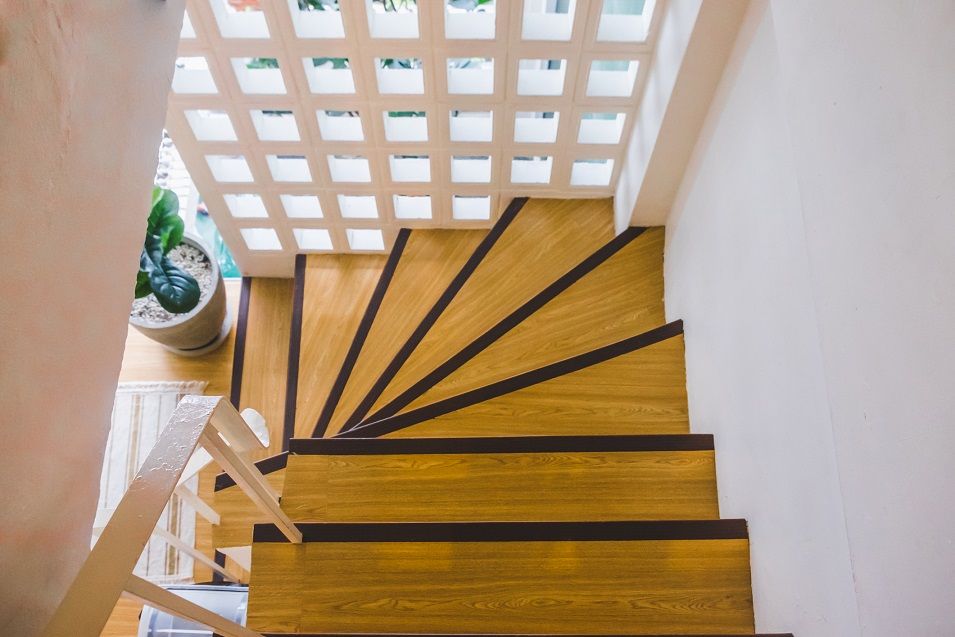
LVP is a multi-layer synthetic product that replicates hardwood through a photographic film layer bonded beneath a clear wear layer and above a rigid core. The wear layer thickness — measured in mils — determines how well your floor handles scratches, scuffs, and daily foot traffic over time. Most residential products range from 6 to 20 mils, and that single specification tells you more about durability than any marketing claim printed on the packaging.
Before you commit to a product, it helps to see the full picture from someone who has watched these floors age across many different household conditions. LVP carries genuine strengths that make it a smart choice for many homes, and real limitations that produce buyer's remorse when overlooked during the selection process.
Contents
The most common cause of LVP failure is a subfloor that wasn't properly leveled before installation, generating more warranty claims than any manufacturing defect across the industry. Manufacturers require no more than 3/16-inch deviation over a 10-foot span — exceeding this threshold causes planks to flex, click locks to fail, and seams to telegraph unevenly through the finished surface. Self-leveling compound resolves most humps and low spots efficiently, and the time you invest here pays dividends across the floor's full intended lifespan.
Pro tip: A subfloor moisture reading above 75 percent relative humidity voids most LVP warranties — always measure before you commit to installation.
LVP requires 24 to 48 hours of acclimation in the installation room, allowing planks to reach ambient temperature and humidity before the locking process begins. Skipping this step causes visible gapping in winter and surface buckling in summer as the product responds to seasonal temperature shifts after installation is complete. Maintain an expansion gap of at least 1/4 inch at all walls, transitions, and vertical obstructions throughout the room — this allowance accommodates thermal movement and prevents edge lifting over time.
Room temperature during installation should remain between 65 and 85 degrees Fahrenheit to reflect normal household conditions the floor will experience in regular use. Installing in extreme cold or heat — particularly in unheated garages during winter months — creates dimensional instability that typically reveals itself as gaps or buckles within weeks of occupancy.
The gap between showroom performance and real-household durability is exactly where the honest luxury vinyl plank pros and cons reveal themselves to experienced observers. Installers who work across many residential projects develop a reliable picture of which household profiles LVP serves exceptionally well and which environments push it toward its functional limits over time.
In homes with dogs, children under ten, and consistent heavy foot traffic, LVP with at least a 12-mil wear layer consistently outperforms laminate and most engineered hardwood products at comparable price points. The surface resists pet nail scratching better than bare wood and cleans up after muddy paw prints or spilled drinks without staining or warping the core material beneath. However, dragging heavy furniture across the surface without felt pads causes gouging that even a thick wear layer cannot prevent, so prevention matters more than any reactive repair option available to you.
Warning: Rubber-backed rugs left on LVP for extended periods can cause permanent discoloration — always use non-rubber rug pads on any vinyl surface.
One of the most practical advantages in the luxury vinyl plank pros and cons discussion is full waterproofing through the core, which means standing water, steam, and humidity don't cause the swelling and buckling that destroys laminate and solid hardwood in wet areas. Many homeowners find that the same LVP product flows continuously from kitchen through bathroom to laundry room without requiring transitions, creating a visual continuity that's difficult to achieve with tile or wood at comparable budgets. According to Wikipedia's overview of vinyl flooring, this waterproof core technology has been the primary driver of LVP's rapid mainstream adoption across North American residential markets.
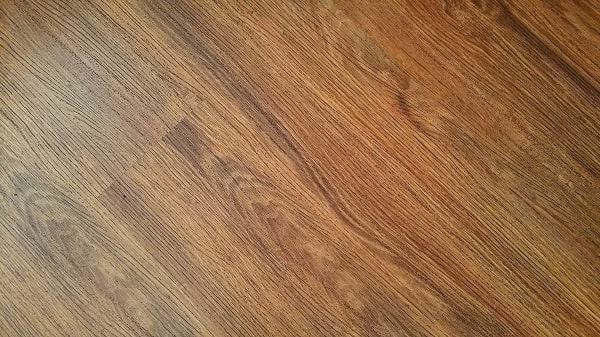
Some of the most persuasive points in the luxury vinyl plank pros and cons equation become apparent within the first week of living with a new floor. LVP's cost advantage over hardwood is substantial — typically 40 to 60 percent less per square foot for materials and labor combined — and that savings gap widens further when you factor in refinishing costs and subfloor requirements that hardwood demands over a full ownership cycle.
| Flooring Type | Material Cost (per sq ft) | Installation Cost (per sq ft) | Waterproof | DIY-Friendly |
|---|---|---|---|---|
| Luxury Vinyl Plank | $2–$7 | $1–$3 | Yes | Yes |
| Engineered Hardwood | $4–$11 | $3–$6 | No | Moderate |
| Solid Hardwood | $5–$15 | $4–$8 | No | No |
| Laminate | $1–$5 | $1–$3 | No | Yes |
| Porcelain Tile | $3–$10 | $5–$12 | Yes | No |
LVP with attached underlayment feels noticeably softer underfoot than tile and firmer than carpet, positioning it in a middle zone that most households find comfortable for extended standing in kitchens and laundry areas. The foam or cork backing pre-attached to many premium planks also reduces impact sound between floors, which matters considerably in multi-story homes where foot noise travels readily downward through the structure. For households keeping a consistent home cleaning routine, LVP's smooth, grout-free surface eliminates the scrubbing time that tile demands while still delivering the waterproof performance wet areas require.
You'll also notice that LVP runs slightly warmer underfoot than tile at the same room temperature, a comfort difference that becomes significant during cooler months for bare feet in the morning. Tile requires radiant heating to achieve comparable warmth, and that infrastructure investment often exceeds the full cost of a comparable LVP installation when you account for all materials and labor involved.
The long-term view of the luxury vinyl plank pros and cons conversation centers on two factors most buyers underestimate during the selection phase: wear layer specification and resale market perception. Getting both right from the start positions your floor to perform through the ownership period rather than requiring early replacement well before the product's advertised lifespan expires under normal household use.
A 6-mil wear layer suits light-traffic spaces like guest bedrooms, while main living areas need at least 12 mils for confident daily performance, and households with larger dogs benefit most from 20-mil commercial-grade options. The wear layer is the single specification worth paying a premium for because once it wears through, the floor cannot be refinished the way solid hardwood can — full replacement becomes the only viable path forward at that point. Keeping a surplus of matching planks from your original purchase protects you against discontinuation if you need to patch a damaged section several years after installation.
Real estate professionals consistently note that while LVP adds functional value through durability and waterproofing, buyers in premium price brackets sometimes perceive it as a budget alternative to hardwood rather than a capable product on its own merits. If your home targets a segment where hardwood is the buyer expectation, replacing LVP before listing may generate a better return than leaving it in place — though this calculation varies considerably by local market and buyer demographic. Documenting the wear layer specification, brand, and installation date in your maintenance records helps buyers and inspectors assess condition accurately without making assumptions based on visual inspection alone.
In mid-range markets, well-maintained LVP in neutral wood tones typically appraises positively compared to the worn carpet or dated tile it replaced, and buyers who understand the product recognize that a thick-wear-layer floor in solid condition carries genuine value through a transaction.
One of the quieter advantages in the luxury vinyl plank pros and cons equation is how little effort the floor demands to maintain at a consistently high standard. LVP doesn't require refinishing, waxing, or polishing, and those three omissions represent a meaningful reduction in lifetime ownership cost compared to hardwood across an extended ownership horizon.
Dry mopping or vacuuming daily removes the abrasive grit that acts like fine sandpaper against the wear layer over time, and this single habit extends floor life more reliably than any premium cleaning product on the market. For deeper cleaning, a damp mop with a pH-neutral cleaner removes residue without leaving buildup that gradually dulls the surface finish across repeated applications over months and years. Our detailed guide on how to clean vinyl plank flooring walks through specific product choices and techniques that preserve the factory finish without streaking across large open areas.
Tip: A thorough deep-clean during your seasonal spring cleaning routine removes residue buildup before it bonds to the surface and becomes difficult to lift without aggressive scrubbing techniques.
Direct sunlight through south-facing windows causes UV-induced fading and, in poorly ventilated rooms, surface warping when floor temperatures spike during peak afternoon hours without adequate air circulation. Using UV-blocking window film or interior blinds during the hottest part of the day protects the photographic layer that gives LVP its realistic wood appearance across years of exposure. Felt pads under every furniture leg that contacts the floor are non-negotiable if you rearrange rooms periodically, because a single unprotected drag leaves a gouge that no surface treatment can reverse without full plank replacement.
Yes, most modern LVP is 100 percent waterproof through the full thickness of the plank, including the core layer. This makes it genuinely suitable for bathrooms, kitchens, and laundry rooms where moisture levels fluctuate considerably throughout the year. The locking seams are water-resistant rather than fully sealed, so prolonged standing water pooling at seam joints can eventually migrate beneath the planks over extended periods.
In many cases, LVP can float over existing vinyl, tile, or smooth concrete as long as the surface is level and structurally sound beneath it. The combined floor height increases by the thickness of the new planks, which creates transition challenges at doorways and adjacent rooms with different finished floor heights. Any existing surface with moisture intrusion, significant damage, or irregular high spots should be corrected before installation to avoid compounding problems beneath the new floor.
LVP outperforms laminate in moisture-prone areas because laminate's wood-fiber core swells and buckles when it absorbs water, while LVP's waterproof core remains dimensionally stable through humidity fluctuations and spills. Laminate sometimes offers deeper embossing and a more tactile wood texture at comparable price points, but it cannot be safely installed in bathrooms or below-grade spaces where persistent humidity is a concern.
A minimum of 12 mils protects adequately against standard pet nail scratching in most household applications, while 20 mils provides a more meaningful buffer for larger breeds with heavier claws and greater force per stride. No wear layer is completely scratch-proof under all conditions, but a thicker surface layer significantly slows the accumulation of fine marks that become increasingly visible with age and consistent daily use.
LVP adds functional value by replacing damaged or outdated flooring with a durable, waterproof surface that most buyers in mid-range markets appreciate at the point of sale. In premium segments where hardwood is the expected standard, LVP may not command the same appraisal premium as solid wood, and this varies considerably by local market conditions and the specific buyer demographic your listing is targeting.
Individual planks can be replaced in floating installations by carefully disassembling the floor back to the damaged section and relocking a replacement plank before reassembling the remaining surface. Glue-down installations are more difficult to repair without visible seaming at the patch boundary, making them less forgiving when localized damage occurs in a high-visibility area. Keeping surplus planks from your original purchase order is the best protection against color and texture matching issues when repairs become necessary.
Most LVP products manufactured today meet FloorScore or GREENGUARD certification standards for indoor air quality, keeping VOC emissions within acceptable residential thresholds throughout the product's usable lifespan. The smooth, hard surface doesn't trap dust mites, pet dander, or pollen the way carpet fibers do, making it a practical choice for households managing airborne allergen concerns through consistent daily cleaning routines.
Choose your wear layer as carefully as you choose the wood look — one fades into the background, and the other determines how long the floor truly earns its place beneath your feet.
 |
 |
 |
 |

About Liz Gonzales
Liz Gonzales grew up surrounded by art and design in a New York suburb, with both parents teaching studio arts at the State University of New York. That environment sharpened her eye for aesthetics and spatial detail — skills she now applies to evaluating home products where form and function both matter. She has spent the past several years writing about lighting, home decor accessories, and outdoor living gear, with a particular focus on how products perform in real residential settings rather than showrooms. At Linea, she covers lighting fixtures and bulb reviews, outdoor and patio gear, and general home product comparisons.
You can Get FREE Gifts. Furthermore, Free Items here. Disable Ad Blocker to receive them all.
Once done, hit anything below
|
|
|
|