
The SuperHandy Leaf Vacuum & Wood Chipper earns the top spot in 2026 for sheer power and versatility — a 7HP gas engine that chews through branches while vacuuming your entire yard in one pass. If you've been spending entire weekends raking and bagging leaves only to fill ten bags for one small lawn, you already know the problem a good commercial leaf vacuum mulcher solves. These machines compress leaf volume by ratios as high as 18:1, turning what used to be a full truck bed of yard waste into a single compact bag of mulch you can drop straight onto your garden beds.
Choosing the right model in 2026 isn't straightforward. The market ranges from corded electric units built for suburban lots to walk-behind gas machines designed for landscaping professionals. Power source, mulch ratio, collection capacity, and impeller material all separate a frustrating purchase from a machine you'll reach for every fall. If you're also dealing with indoor debris cleanup, check out our guide to best central vacuum systems for a full picture of your yard-to-home cleaning setup. This review covers five top performers across different use cases so you can match the machine to your actual yard — not just the biggest number on the box.

The machines reviewed here were evaluated on engine or motor output, real-world mulch reduction, ease of use, bag capacity, and build quality. Whether you're managing a half-acre suburban yard or a multi-acre commercial property, the right leaf vacuum mulcher dramatically cuts your cleanup time — and gives you free mulch for your garden as a bonus. For context on how mulching benefits soil health, the Wikipedia article on mulch is a solid primer. Now let's get into the picks.
Contents
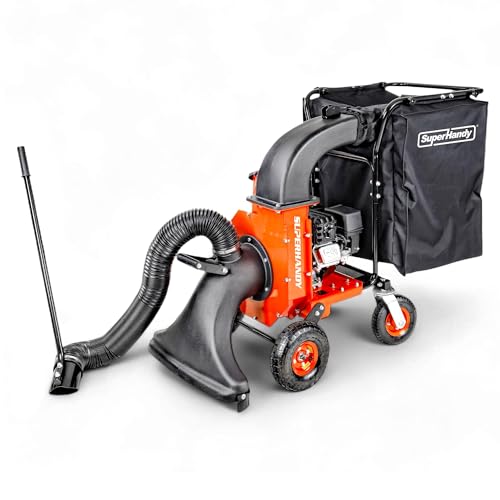




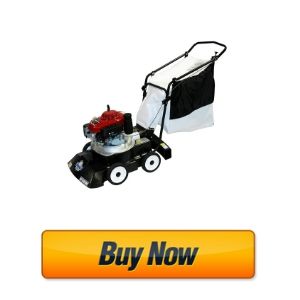
The SuperHandy walk-behind is a different class of machine from anything corded or battery-powered. It runs a 7HP 209cc OHV gas engine spinning at 3600 RPM, and that translates to genuine commercial-grade suction that doesn't flinch in front of wet leaf piles or thick twigs. The 2-in-1 design means you can vacuum debris from the lawn and simultaneously chip branches up to 2 inches in diameter — eliminating the need for a separate chipper for light brush cleanup. The 13.4-inch steel impeller handles the mulching, reducing leaf volume significantly before it even reaches the collection bag.
The 6-bushel collection bag is one of the more practical designs in this class. The side zipper lets you empty without removing the entire bag assembly, which matters a lot when you're doing a two-hour session across a large yard. Castor wheels make steering manageable on uneven terrain, though the machine's weight means you'll feel it on inclines. This is squarely a tool for property owners managing substantial land — a quarter-acre suburban lot might find it overkill, but anything larger will benefit from the throughput. At its price point, you're essentially getting a commercial-grade machine without the commercial price tag.
One realistic expectation to set: gas engines require maintenance. You'll need to manage oil, air filters, and spark plugs seasonally. The initial startup procedure also demands attention — cold starts on a gas OHV engine aren't as instant as plugging in a corded unit. But for raw performance on large, debris-heavy properties, nothing on this list matches it.
Pros:
Cons:
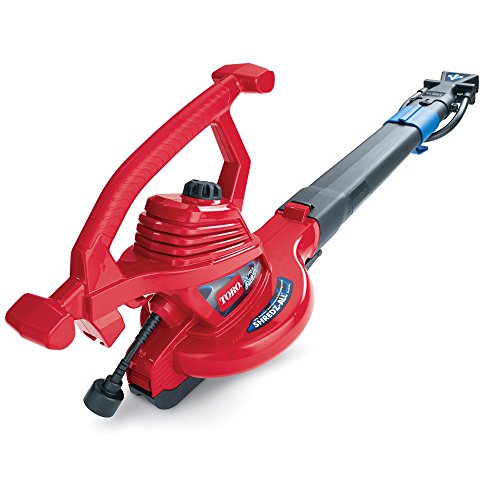
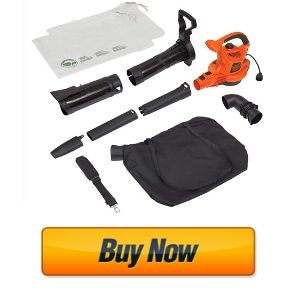
Toro has been in the outdoor power equipment business long enough to know what suburban homeowners actually need, and the 51621 UltraPlus reflects that experience. This is a 3-in-1 corded electric unit — it blows, vacuums, and shreds — with a 12-amp motor delivering up to 250 mph air speed and 410 CFM in vacuum mode. The metal impeller is the spec that matters most here: unlike plastic impellers that can shatter on a hidden rock or acorn, the metal version survives incidental contact with harder debris and maintains its shredding efficiency longer. Toro's own testing puts performance above comparable units, and in practice the machine handles wet, matted leaf piles without bogging down the way lighter units do.
Variable speed control gives you real flexibility. High speed clears large open areas fast; lower speed lets you work carefully around garden beds without blasting mulch and dirt in all directions. The included oscillating tube attachment is genuinely useful for sweeping debris into rows before switching to vacuum mode. The bottom-zip bag is easy to empty without creating a dust cloud, and the cord storage hook keeps your extension cord from tangling. You will need a heavy-duty extension cord — and that's an ongoing minor inconvenience — but the tradeoff is a machine that never runs out of power mid-job.
At its price point, the Toro UltraPlus is consistently one of the highest-rated corded leaf vacuums available. It isn't the right tool for a property measured in acres, but for an average suburban yard it punches well above its weight.
Pros:
Cons:


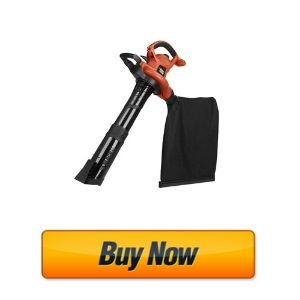
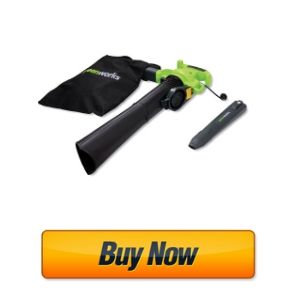
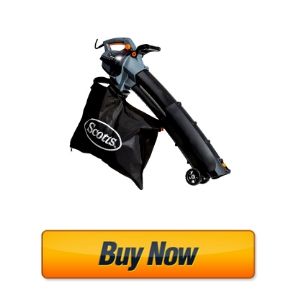
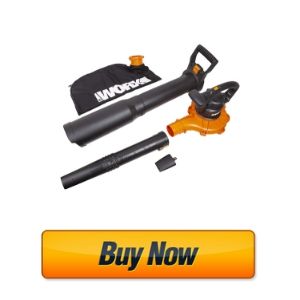
The WORX Trivac's headline number is its 18:1 mulch ratio — that's 18 bags of leaves compacted down to one. In practical terms, you'll make far fewer trips to the compost pile or yard waste bin, and the mulch you collect is fine enough to spread directly on garden beds as organic matter. The WG509 runs a 12-amp motor delivering 350 CFM and 210 MPH, which positions it as a strong performer in the corded electric category. The metal impeller — not plastic — does the heavy lifting in mulch reduction, and it handles light twigs and acorns without the shuddering that lower-spec machines exhibit.
WORX designed the Trivac for quick mode switching. Going from blower to vacuum to mulcher requires minimal fuss, which makes it practical for a yard-cleanup session where you're doing multiple tasks. The collection bag is reasonably sized for a corded electric unit, and the overall weight is manageable enough that you can carry it for extended sessions without shoulder fatigue building up. For homeowners who want a clean yard and free compost without the noise and maintenance of a gas machine, this is a serious contender.
The 210 MPH air speed is sufficient for most dry leaf conditions. Heavily matted or wet leaves will slow it down compared to the Toro or the SuperHandy, so if your yard collects wet debris regularly, factor that in. Overall, the WORX WG509 delivers excellent value in 2026 — especially if the mulch ratio is your primary concern. It's also a nice complement to broader cleaning equipment you may already own.
Pros:
Cons:
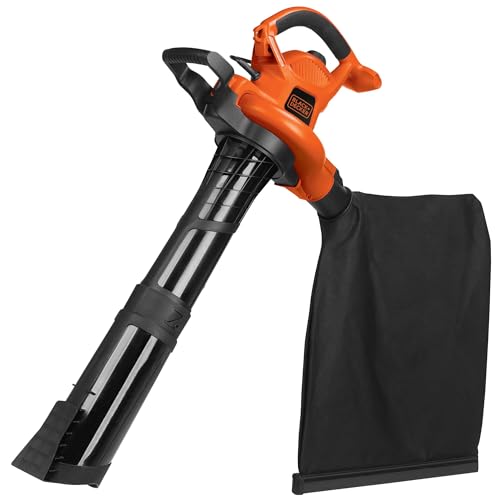
The BLACK+DECKER BV6600 is the entry point that doesn't feel like a compromise. Running a 12-amp motor and delivering air speeds up to 250 MPH, it handles standard leaf cleanup tasks on small to medium yards without breaking the budget. The premium disposable bag system is the standout feature — instead of cleaning and re-using a cloth bag that clogs over time, you can opt for disposable bags that go straight into the yard waste bin. This matters if you're allergic to leaf mold or simply don't want to deal with a smelly bag after each use. The cloth bag option is still there if you prefer it.
Variable speed is another practical inclusion at this price. You get controlled power for working around flower beds at low speed and full-power clearing for open patio or driveway areas. The conversion between blower and vacuum mode is simple, though it requires slightly more setup time than the WORX Trivac. Build quality is solid for the price — BLACK+DECKER has refined this product line over many iterations, and the BV6600 benefits from that maturity. If you've compared it to its predecessor, the BV6000, the improvements in airflow management are noticeable.
The BV6600 isn't designed for heavy commercial use or large acreage. Wet leaves present more of a challenge than they do for the Toro or SuperHandy. But for a homeowner who needs a reliable, low-maintenance corded electric unit that works season after season, it delivers real value. Pair it with a good handheld vacuum for pet hair and you've covered both outdoor and indoor cleanup bases efficiently.
Pros:
Cons:
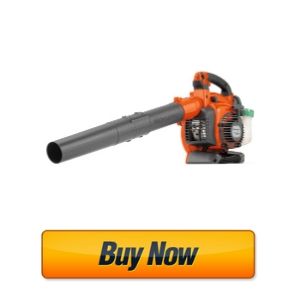
Echo is a professional landscaping brand, and the ES-250 carries that DNA into a handheld gas vacuum mulcher. The 25.4cc 2-stroke engine runs on a gas-oil mix and delivers 165 MPH air speed and 391 CFM — more airflow than most corded electric competitors, and with zero cord management. For landscapers or homeowners with yards that don't have convenient power access, this is a critical advantage. The unit is manufactured in Japan, and the build quality shows — components feel precise and solid in a way that budget imports don't replicate. Variable speed control gives you fine-tuned power delivery whether you're blowing leaves off a stone pathway or vacuuming tight corners around raised beds.
At 70 dBA, the Echo is quieter than you'd expect from a gas unit, though it's still louder than any corded electric on this list. The 16.9 oz fuel tank provides a reasonable runtime before refueling, and the EPA-compliant 2-stroke engine means it meets current emissions standards. The included powerhead, pipes, bag, and 2-stroke oil cover everything you need out of the box. Echo backs this unit with a strong professional warranty, which matters if you're planning to use it heavily across multiple seasons.
The trade-off with a 2-stroke engine is the fuel-mix requirement — you can't just pour straight gasoline in. If you're not familiar with mixing 2-stroke oil, it's a minor learning curve but not a burden once you've done it once. The Echo ES-250 earns its place as the top gas-powered handheld on this list in 2026 for anyone who values portability without sacrificing real power.
Pros:
Cons:
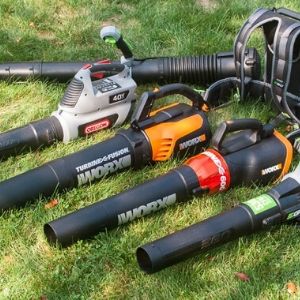
The power source determines your range, your maintenance burden, and your noise level — three things that affect every yard session.
For most suburban homeowners in 2026, a quality corded electric unit covers 90% of yard work. If your property is larger than half an acre or has areas without easy power access, gas or high-voltage battery becomes the practical choice. You can find similar considerations in our guide to best handheld vacuums when thinking through the portability-versus-power trade-off for indoor use.
The mulch ratio tells you how much the machine compresses leaf volume. A 10:1 ratio turns 10 bags of leaves into 1; an 18:1 ratio reduces that even further. Higher ratios mean fewer trips to the compost pile and finer mulch suitable for spreading directly on garden beds.
A small bag means constant stops to empty. A large bag means fewer interruptions but a heavier machine as it fills.
Two specs dominate the marketing: air speed (MPH) and airflow volume (CFM). They measure different things.
A leaf vacuum mulcher combines three functions in one machine: it blows leaves into piles, vacuums them up, and shreds them into fine mulch using a spinning impeller inside the housing. The mulched material collects in an attached bag at a fraction of its original volume — typically 8:1 to 18:1 compression depending on the model. You can then spread the mulch on garden beds as organic matter or dispose of it as yard waste.
Gas-powered units use a combustion engine — either 2-stroke (fuel/oil mix required) or 4-stroke (straight gasoline) — and offer maximum power with no cord limitations. They're louder and require more maintenance. Electric units (corded or battery) are quieter, lower maintenance, and easier to start, but corded models are limited by extension cord reach and battery models by charge capacity. For large properties or commercial use, gas is typically preferred. For suburban yards, a quality corded or battery-powered electric unit is usually sufficient in 2026.
A mulch ratio of 10:1 is considered good for standard residential use. A ratio of 16:1 or higher — like the WORX Trivac's 18:1 — significantly reduces how often you need to empty the collection bag and produces finer mulch. If you plan to use the mulch for garden beds, a higher ratio is generally better because it decomposes faster and spreads more evenly. If you're just disposing of leaves as yard waste, a lower ratio is still functional.
Most units can handle light dampness, but heavily wet or matted leaves are challenging for any machine. Gas-powered units with high-torque engines and metal impellers handle wet conditions best. Corded electric units with metal impellers (like the Toro 51621 or WORX WG509) manage moderate wetness but can bog down on dense, soaked piles. If wet leaves are a regular condition in your yard, prioritize a gas unit or a high-amp corded electric with a proven metal impeller. Avoid running any vacuum mulcher on leaves that are actively dripping water — that level of moisture can jam the impeller and stress the motor.
Electric units need minimal maintenance: clear the impeller housing of debris after each use, clean the collection bag, and store the unit dry. Gas units require more attention: check and change the oil regularly (4-stroke engines), use fresh fuel to prevent carburetor buildup, clean or replace the air filter each season, and inspect the spark plug annually. For 2-stroke engines like the Echo ES-250, always mix fuel and 2-stroke oil at the correct ratio specified in the manual. Dull impeller blades should be inspected after several seasons and replaced when mulch output quality drops noticeably.
Walk-behind models are generally better for large properties because they reduce physical fatigue, offer higher collection capacity, and can move more debris per pass. The SuperHandy's 6-bushel bag and walk-behind design, for example, allow extended sessions without constant stops. Handheld units are more maneuverable around obstacles — trees, raised beds, tight corners — and work well for smaller areas or secondary cleanup after a walk-behind pass. For very large properties (half an acre or more), a walk-behind gas unit is typically the more efficient choice. For properties under a quarter acre with good layout, a handheld electric unit is usually sufficient.
Match the machine to your yard size and power preference first — the best leaf vacuum mulcher is the one you'll actually reach for every fall, not the one with the most specs on the box.
 |
 |
 |
 |

About Liz Gonzales
Liz Gonzales grew up surrounded by art and design in a New York suburb, with both parents teaching studio arts at the State University of New York. That environment sharpened her eye for aesthetics and spatial detail — skills she now applies to evaluating home products where form and function both matter. She has spent the past several years writing about lighting, home decor accessories, and outdoor living gear, with a particular focus on how products perform in real residential settings rather than showrooms. At Linea, she covers lighting fixtures and bulb reviews, outdoor and patio gear, and general home product comparisons.
You can Get FREE Gifts. Furthermore, Free Items here. Disable Ad Blocker to receive them all.
Once done, hit anything below
|
|
|
|