
Algae can double in population every 3 to 12 hours under the right conditions — which means your pool can go from slightly green on Monday to a full swamp by Wednesday. If you're staring at murky water and want to handle algae removal pool without vacuum equipment, you've found the right guide. Most pool owners are surprised by how much a brush, the right chemicals, and a working filter can accomplish. Head over to our cleaning guides for more practical tips on keeping every corner of your home spotless.
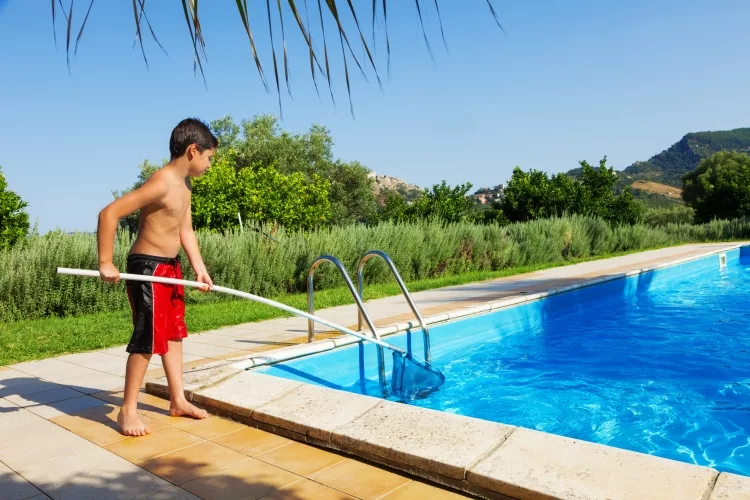
Here's the thing: a pool vacuum primarily removes dead algae sediment from the floor after treatment. The actual killing happens through chemistry and scrubbing. So in most cases, you can achieve the same result without one — it just takes a bit more manual effort and patience while your filter does its job. It's a similar principle to cleaning fish tank gravel without a vacuum — physical agitation plus the right treatment goes further than most people expect.
This guide covers what you're dealing with, the tools and chemicals you need, a step-by-step removal process, realistic cost expectations, and honest accounts of what the process actually looks like in practice.
Contents
Understanding the enemy makes it easier to fight. According to Wikipedia's overview of algae, these simple organisms exist in virtually every aquatic environment on earth — and your pool is no exception. Algae spores travel by air, hitch rides on swimsuits, survive on pool toys, and float in on leaves. You can't keep them out entirely. What you can control is whether those spores get a foothold.
Algae doesn't need much of an invitation. When pool chemistry slips — even briefly after a rainstorm or a heavy swim weekend — spores bloom fast. The main culprits behind most algae outbreaks are:
One missed shock after a pool party can be all it takes. Algae is patient — and opportunistic.
Not all algae respond to the same treatment, so identifying your type before you start saves time and money.
Not every algae problem demands a pool vacuum. In many situations, algae removal pool without vacuum is completely effective — and significantly cheaper if you don't already own one.
You're in solid shape without a vacuum when:
Pro tip: Catching algae in the "slightly off" stage — before water turns fully opaque — can cut your treatment time in half and save you from multiple rounds of work.
A vacuum becomes more valuable — or a professional more necessary — when:
If you want to compare the vacuum route, our roundup of the best pool vacuums for algae breaks down what each type handles and at what cost. Knowing both options helps you make the right call for your situation. And if you're newer to pool equipment shopping, our vacuum selection guide covers what features actually matter when choosing cleaning equipment.
Going vacuum-free means you're trading mechanical suction for manual effort and chemistry. The right gear makes that trade-off totally manageable. Most of this you can pick up at any hardware or pool supply store.
This is the core process. It works across all algae types — the intensity and number of rounds vary depending on what you're dealing with. Follow this carefully and algae removal pool without vacuum becomes straightforward, not stressful.
Warning: Never add pool shock and algaecide on the same day — chlorine breaks down algaecide before it can work. Space them 24 hours apart for best results.
If you catch algae early — light green tint, no visible sediment on the floor — you can sometimes skip heavy scrubbing. Balance the pH, apply a double-dose shock, run the filter hard overnight, and add algaecide the next day. This lighter approach works well when the algae hasn't rooted yet. It's the same principle behind cleaning fish tank gravel without a vacuum — the right solution combined with water movement does more work than you'd expect.
One of the biggest motivators for algae removal pool without vacuum is avoiding a service call or an expensive equipment purchase. Here's what you're realistically looking at for a DIY approach.
| Item | Estimated Cost | Notes |
|---|---|---|
| Pool brush (nylon) | $10–$20 | Reusable; upgrade to wire brush for black algae |
| Telescoping pole | $15–$35 | Works with brush and skimmer net attachments |
| Calcium hypochlorite shock (5 lbs) | $12–$20 | Enough for 1–2 full treatments on an average pool |
| Algaecide (1 qt) | $10–$18 | Prevents regrowth for several weeks |
| Water test kit | $10–$25 | Essential — don't skip this |
| Flocculant (optional) | $10–$15 | Helpful for very cloudy or heavily infested water |
| Total DIY setup | $57–$133 | One-time investment; ongoing cost is just chemicals |
| Professional service call | $150–$400+ | Per visit; varies by pool size and severity |
Don't cut corners on shock and algaecide — budget-brand formulas often underperform when you need potency most. You can safely save on the brush and telescoping pole by choosing mid-range hardware store options. The test kit matters more than most people realize: dosing chemicals without accurate readings can push your water further out of balance, creating more problems than you started with.
Real results depend on algae type, pool size, and how quickly you act. Here's an honest look at what you can realistically expect.
Catching light green water within a day or two is the ideal scenario. One round of brushing, heavy shocking, algaecide the next day, and overnight filter running typically clears water from green to hazy blue by morning — and fully clear within 48–72 hours. Most pool owners who act quickly report success without any additional equipment. The filter running overnight after treatment makes a dramatic visible difference by the next day.
Yellow and black algae are a different experience. Yellow algae is chlorine-resistant and clings to walls — expect 2–3 treatment rounds with scrubbing between each one. Black algae is the most demanding: its protective outer layer means you have to scrub hard with a wire brush before shock can reach the roots. Plan for a week or more of daily treatment for established black algae. After each round, inspect surfaces under bright light and retreat any remaining spots before they re-establish.
Yes, in most cases. A combination of thorough brushing, heavy shocking, algaecide, and aggressive filter running handles algae effectively. A pool vacuum mainly speeds up removal of dead algae from the floor — but a skimmer net and flocculant can substitute when used correctly.
Light to moderate green algae typically clears in 2–4 days. Yellow algae may take up to a week with multiple treatment rounds. Black algae can require 1–2 weeks of repeated effort. Consistency and daily brushing are the biggest factors in how quickly you see results.
Not while shock levels are high. Wait until free chlorine drops back to 1–3 ppm (parts per million) before anyone gets in. Always test the water before swimming, especially if children are involved. Don't rely on guessing — use a test kit or test strips.
Shock kills active algae; algaecide prevents regrowth and handles strains that are resistant to chlorine alone. For best results, use both — shock first, then add algaecide 24 hours later once chlorine levels have normalized. Using only shock often leads to algae returning within a week or two.
Check your filter first — a clogged or undersized filter won't clear dead algae particles effectively. Backwash the filter, brush all surfaces again, retest your water chemistry, and apply a second round of shock. If the problem persists after three treatment rounds, consider a professional inspection of your circulation system.
Test your water weekly and keep chlorine at 1–3 ppm, pH at 7.4–7.6, and alkalinity at 80–120 ppm. Run your filter 8–12 hours daily during swim season. Shock the pool weekly during heavy-use periods and after heavy rain. A monthly dose of algaecide as a preventive measure is also worth considering.
You can in a pinch — household bleach contains sodium hypochlorite, which is a form of chlorine. However, it's far weaker than pool shock (roughly 3–6% concentration vs. 65–73%), so you'd need to use significantly more. Pool-grade shock is more reliable, more cost-effective per treatment, and the better choice for serious algae problems.
Clearing your pool of algae doesn't require a vacuum, a big budget, or a service call — just the right chemicals, a good brush, and a filter you keep running. Grab a water test kit today, stock up on pool shock and algaecide, and start the process before the algae gets any more established. A clean, clear pool is well within reach when you know exactly what to do.
 |
 |
 |
 |

About Liz Gonzales
Liz Gonzales grew up surrounded by art and design in a New York suburb, with both parents teaching studio arts at the State University of New York. That environment sharpened her eye for aesthetics and spatial detail — skills she now applies to evaluating home products where form and function both matter. She has spent the past several years writing about lighting, home decor accessories, and outdoor living gear, with a particular focus on how products perform in real residential settings rather than showrooms. At Linea, she covers lighting fixtures and bulb reviews, outdoor and patio gear, and general home product comparisons.
You can Get FREE Gifts. Furthermore, Free Items here. Disable Ad Blocker to receive them all.
Once done, hit anything below
|
|
|
|