
You're standing in the cleaning aisle — or more likely, scrolling through product pages at midnight — wondering whether a steam mop is actually worth it or just another appliance that collects dust in your closet. The good news is that the best steam mops in 2026 genuinely replace a cabinet full of chemical cleaners, and they work on far more surfaces than most people realize. Whether you're dealing with tile grout, hardwood, carpet, or even upholstery, the right steam mop transforms a tedious chore into something that takes a fraction of the time.

Steam cleaning works by heating water to temperatures above 200°F, producing pressurized vapor that loosens grime, kills bacteria, and sanitizes surfaces without a single drop of chemical cleaner. According to the EPA's Safer Choice program, reducing household chemical use is one of the most effective ways to improve indoor air quality — and steam mops give you exactly that. If you've been relying on a traditional spin mop and bucket setup, upgrading to steam is a meaningful step forward in both cleaning power and convenience.
In this guide, we've reviewed the top steam mops available right now, focusing on heat-up time, steam output, tank capacity, accessory range, and overall build quality. We've also paired each pick with a buying guide section to help you match the right model to your specific home and cleaning routine. Visit our steam mop cleaning guide for a deeper look at techniques and maintenance tips. Here's everything you need to make a confident purchase in 2026.
Contents


If you need one tool that handles your floors, your bathroom tiles, your sofa cushions, and your outdoor grill without switching devices, this 10-in-1 steam mop delivers on that promise in a way that genuinely earns the "all-in-one" label. The 10-second heat-up time is the headline feature here, and it's real — you press the power button, count to ten, and you're producing 248°F (120°C) steam ready to attack the grease ring behind your stove or the soap scum on your shower tiles. That temperature is high enough to kill common household bacteria and loosen virtually any organic stain without any chemical assistance, which matters if you have kids or pets spending time on those floors.
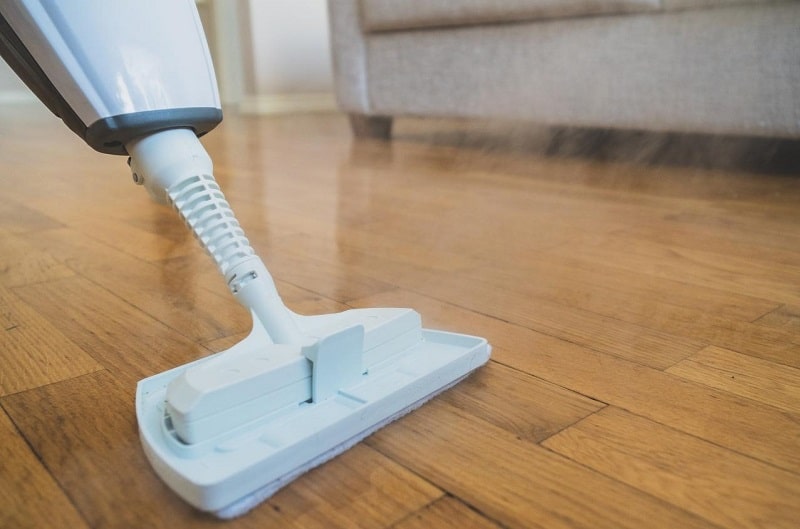
The 350ml water tank strikes a smart balance between runtime and weight, giving you 12 to 15 minutes of continuous steam per fill — enough to cover a typical open-plan living and kitchen area in a single pass. The three-level steam control lets you dial down the output for delicate hardwood or sensitive fabrics and push it up for stubborn grout lines or baked-on BBQ residue, and the swivel head gives you the kind of maneuverability that makes cleaning around chair legs and toilet bases feel effortless rather than frustrating. The detachable handheld unit is where this mop earns its "10-in-1" designation: separate it from the floor unit and you have a compact steamer for countertops, windows, sofas, garment steaming, and even that grill grate you've been avoiding since summer. The mop pad removal system — where you simply step on the raised tab to release the pad — keeps your hands clean throughout the process, which is a small but genuinely appreciated design decision. One important caveat worth repeating: never add chemical cleaners to the water tank, as they will clog the steam nozzle and void any warranty protection you'd otherwise rely on.
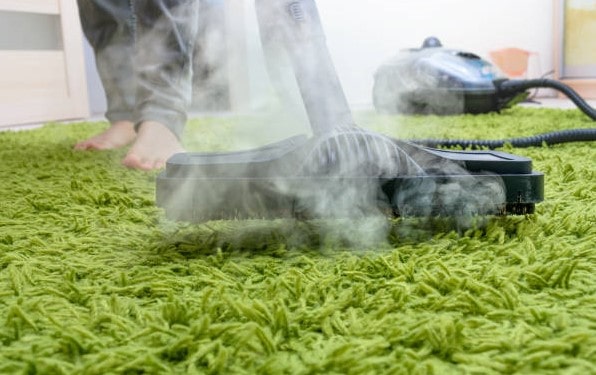
Build quality is solid for the price point, with a lightweight frame that doesn't feel flimsy during use. The carpet glider attachment works well on low-pile rugs, refreshing fibers and eliminating odors without soaking them the way traditional wet mops would. For households managing multiple surface types in 2026 — tile, sealed hardwood, vinyl plank, carpet, and fabric — this unit covers the full range without requiring you to buy separate specialized cleaners for each one.
Pros:
Cons:
The McCulloch MC1385 is a different category of machine altogether — a canister-style steam cleaner built for users who want professional-grade cleaning power in a home unit, with enough accessories and runtime to tackle every surface in the house and the interior of your car in a single session. The two-hour continuous runtime is what separates this machine from the competition at a fundamental level: you fill the tank, plug in the unit, and you have steam on demand for a full 120 minutes without stopping to refill. For anyone cleaning a larger home, running a rental property, or detailing a vehicle — where stopping to refill mid-task breaks your workflow and your momentum — that runtime is genuinely transformative.
The 23-accessory kit that comes with the MC1385 reads like a professional detailing inventory: a floor mop with washable pads, nylon brushes in multiple sizes, a brass brush for stubborn mineral deposits and rust, an angled nozzle for tight corners and grout lines, a scrub pad, a scraper for baked-on residue, and a squeegee for glass surfaces. McCulloch bundles a storage bag and on-board accessory storage so you're not hunting through a pile of attachments before each session. The pressure and temperature output are calibrated specifically for the kind of penetrating heat that lifts grease from engine bays, removes tar from paint, and pulls embedded dirt from upholstery fibers — tasks that a standard floor-focused steam mop simply can't accomplish. If you currently maintain your own vehicle and pay for interior detailing separately, the MC1385 pays for itself remarkably quickly when you start handling those sessions yourself at home.
On floors and household surfaces, the performance is equally strong. Tile grout — notoriously resistant to regular mopping — responds immediately to the pressurized steam output, and the brass brush attachment handles mineral scale in bathrooms and around faucets that chemical cleaners often struggle with. Granite countertops, laminate flooring, appliance exteriors, and outdoor grills all fall within the tested use cases. The canister design does mean this is a bulkier unit than a stick-style steam mop, and you'll roll it from room to room rather than swinging it with one hand — but that trade-off in portability delivers a corresponding gain in power and versatility. For users who want a true deep-cleaning workhorse that goes well beyond floor care, the MC1385 is the clear recommendation in 2026. If you're also evaluating heavy-duty wet-vacuum options alongside steam, our review of the best heavy duty steam vacuum cleaners covers complementary machines worth comparing.
Pros:
Cons:
| Product | Price | Rating |
|---|---|---|
| 10-in-1 Steam Mop with Detachable Handheld Steamer, 350ml Ta | Check Amazon | |
| McCulloch MC1385 Deluxe Canister Steam Cleaner, 2-Hour Runti | Check Amazon | |
Choosing between steam mops comes down to matching the machine's specific strengths to your actual cleaning habits — your floor types, your home size, whether you clean vehicles or upholstery, and how much storage space you're willing to commit. The following criteria are the ones that matter most when you're comparing models side by side.
Heat-up time determines how quickly you can go from "I need to clean this" to actually cleaning it, and in 2026 the best models reach operating temperature in 10 to 30 seconds. Anything over a minute is a friction point that discourages you from using the mop for quick spot-cleaning tasks — which is often where steam mops add the most daily value. Steam temperature matters because higher temperatures above 212°F are more effective at killing bacteria, dissolving grease, and lifting embedded stains from porous materials like grout. Look for models rated at 200°F or above for reliable sanitizing performance across tile, hardwood, and fabric surfaces. Units with variable steam control give you the additional advantage of dialing down temperature and moisture for surfaces like waxed hardwood or sealed laminate that can be damaged by excess steam exposure.
Tank capacity directly controls how long you can clean between refills, and the right size depends entirely on your home's square footage and your cleaning habits. A 350ml tank delivering 12 to 15 minutes of runtime is entirely sufficient for apartment-sized spaces or targeted spot-cleaning sessions, where you're never running the unit continuously for longer than that anyway. Larger homes, commercial spaces, or use cases like vehicle detailing — where you need sustained steam output over an extended session — demand a larger reservoir. The McCulloch MC1385's two-hour runtime puts it in a different category for high-volume users who clean multiple rooms or multiple vehicles in a single session. Calculate your typical cleaning session length first, then choose a tank that covers that duration with at least one refill margin to spare, so you're not interrupting a task at its most critical point.
The accessories included with a steam mop determine which surfaces you can actually clean, and this is where significant differences between models emerge. A basic floor-only steam mop with a single mop pad is appropriate if your entire cleaning need is sealed tile and hardwood floors. But if you're managing a home with multiple surface types — upholstered furniture, carpet, bathroom fixtures, countertops, appliances, or an outdoor grill — you need a machine that ships with the attachments to handle each one effectively. Nylon brushes work well on grout and textured tile, brass brushes handle mineral deposits and tough metal surfaces, and squeegee attachments make window cleaning a legitimate application for your steam cleaner. Always verify that carpet glider attachments are included if you plan to use the mop on rugs, since the bare mop head design on some units isn't safe for carpet fibers. Pairing your steam mop with a quality bagless vacuum cleaner for dry debris before steaming produces significantly better results on all surface types.
Build quality in steam mops shows up in a few critical areas: the durability of the steam hose connections, the quality of the swivel joint at the mop head, and the robustness of accessory attachment points under repeated use. A swivel head that moves through a full range of motion without resistance lets you clean under furniture and around obstacles without repositioning your entire body, and this detail separates well-designed mops from frustrating ones. Canister-style cleaners offer superior power and runtime but require you to pull a wheeled unit behind you, while stick-style mops are more maneuverable but carry smaller tanks. Storage deserves consideration as well: on-board accessory storage means you're not searching drawers for the right brush attachment, and a compact profile when stored upright makes a meaningful difference in crowded utility closets. Lightweight construction under 6 pounds for stick-style mops is a threshold worth targeting if you clean multiple floors or have any physical limitations that make heavy equipment harder to manage.
Yes, but with an important caveat: you should only use a steam mop on sealed hardwood floors, with the steam control set to the lowest or medium setting and the mop kept in motion so steam doesn't concentrate on one area for an extended period. Unsealed or waxed hardwood can absorb moisture and warp under steam exposure, so verify your floor's finish before using steam on it. Engineered hardwood and floating plank floors generally tolerate steam well when used correctly.
For sealed tile and vinyl floors in high-traffic areas, weekly steam mopping is appropriate and delivers a noticeably cleaner and more sanitized surface than traditional mopping. Hardwood and laminate floors benefit from steam cleaning every two to four weeks rather than weekly, since even sealed wood prefers minimal moisture exposure over time. Carpets, upholstery, and fabric surfaces can be refreshed with steam every one to three months depending on use and odor levels.
Steam mops that produce temperatures above 200°F are effective at killing the vast majority of common household bacteria, including E. coli and Salmonella, on non-porous hard surfaces. The key variable is contact time — the steam needs to remain in contact with the surface for a minimum of several seconds to achieve meaningful sanitization. Models with higher steam temperatures and slower mop head movement produce better sanitizing results than faster passes with lower-output units.
Distilled or demineralized water is the correct choice for virtually every steam mop on the market in 2026. Tap water contains mineral deposits — primarily calcium and magnesium — that accumulate inside the boiler and steam nozzles over time, reducing steam output and eventually blocking the nozzle entirely. Using distilled water from the start prevents mineral buildup completely and significantly extends the operating life of your machine. Never add essential oils, cleaning chemicals, or any additives to the water tank unless the manufacturer explicitly permits it.
A steam mop is a stick-style floor-focused device with a mop head designed primarily for flat surfaces like tile, hardwood, and carpet — it's lightweight, maneuverable, and designed for quick regular cleaning. A canister steam cleaner like the McCulloch MC1385 uses a separate tank and hose system that delivers pressurized steam to a wide range of attachments, enabling you to clean floors, furniture, appliances, vehicle interiors, and outdoor surfaces with the same unit. Canister cleaners offer more power and versatility but require more storage space and have a higher upfront cost.
This depends on the specific laminate. Most laminate flooring manufacturers advise against steam mops because the high moisture and heat can seep into the seams between planks and cause swelling, warping, or delamination over time — particularly in less expensive laminate products. If your laminate is high-quality with fully sealed seams and the manufacturer explicitly approves steam use, a low-setting brief-contact approach can work, but the safest approach for laminate is a microfiber dry or damp mop. Check our guide to the best microfiber mops for laminate floors for alternatives that clean effectively without any moisture risk.
 |
 |
 |
 |

About Liz Gonzales
Liz Gonzales grew up surrounded by art and design in a New York suburb, with both parents teaching studio arts at the State University of New York. That environment sharpened her eye for aesthetics and spatial detail — skills she now applies to evaluating home products where form and function both matter. She has spent the past several years writing about lighting, home decor accessories, and outdoor living gear, with a particular focus on how products perform in real residential settings rather than showrooms. At Linea, she covers lighting fixtures and bulb reviews, outdoor and patio gear, and general home product comparisons.
You can Get FREE Gifts. Furthermore, Free Items here. Disable Ad Blocker to receive them all.
Once done, hit anything below
|
|
|
|